Quranic Answer
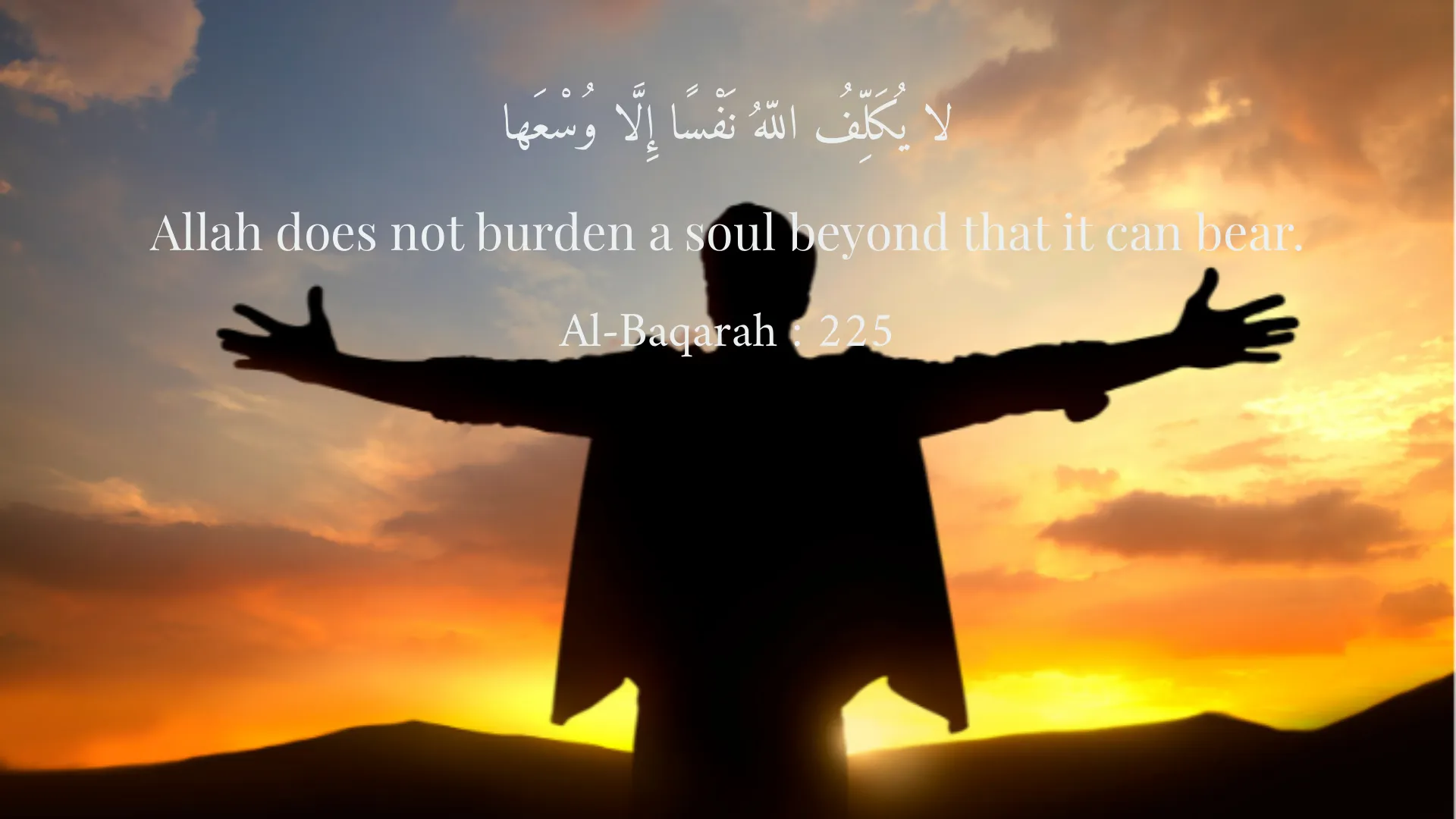
The Holy Quran, the sacred text of Islam, stands as a comprehensive guide to human conduct and intention. It delves deep into the profound relationship between the intentions that reside in the hearts of individuals and the resultant actions that stem from those intentions. One of the foundational concepts presented in the Quran is the significance of intention, or "niyyah," which translates to the resolve or purpose behind actions. This concept is paramount in Islamic teachings, as it dictates that an action, to be deemed virtuous, must originate from a genuine and pure intention. The foundational role of intention is notably articulated in Surah Al-Baqarah, verse 225. Allah proclaims: "Allah does not burden a soul beyond that it can bear." This verse serves as a reminder of the inherent wisdom and justice of Allah concerning the capabilities of human beings. It emphasizes that individuals are not only accountable for their actions but also for the intentions that guide those actions. The notion here is that good intentions serve as a prerequisite for righteous deeds; without a pure intention, even the most outwardly pious actions may lack value in the eyes of Allah. The Quran emphasizes that the heart's intentions are pivotal, often superseding the physical action itself. Furthermore, in Surah Al-Imran, verse 29, Allah states: "Say, 'If you should conceal what is within yourselves or reveal it, Allah will know it.'" This verse underscores the omniscience of Allah, illustrating that no thought or intention is hidden from His sight. Here, the Quran draws attention to the inner workings of the human mind and soul, reminding believers that their innermost intentions—be they good or bad—are known to Allah. This omniscient awareness implies that accountability extends beyond mere actions; individuals are also responsible for the intentions driving those actions. Bad intentions, therefore, can culminate in sinful deeds, and this warrants a severe sense of caution and introspection among believers. It is essential to emphasize that the Quran does not conceptualize intentions in isolation. Instead, it acknowledges the various barriers and circumstances that might influence a person's intentions. Life's challenges, external pressures, and personal struggles can subtly shape an individual's motivations. This acknowledgment opens a doorway to understanding human fallibility. Though having bad intentions is deemed a sin within the Quran, it recognizes that context is vital. Human beings are complex, and their intentions often reflect a myriad of experiences, struggles, and societal influences. Moreover, the Quranic narrative incentivizes believers to strive for self-improvement and spiritual growth. It encourages individuals to foster good intentions regularly and to purge their hearts of malice and jealousy. The significance of fostering positive intentions is also emphasized in various Hadiths (sayings of the Prophet Muhammad). For example, he stated: "Actions are judged by intentions, and every person will be rewarded according to their intention." This vivid connection between intention and divine rewards reinforces the need for clarity of purpose and sincerity in all endeavors. Additionally, the Quran teaches that the consequences of intentions stretch beyond the earthly realm into the hereafter. Good intentions can lead to rewards, mercy, and forgiveness from Allah, while bad intentions can lead to punishment. This perspective instills a sense of moral and ethical obligation among believers to refrain from harboring ill intentions and to cultivate an attitude of goodwill. In many verses, the Quran draws a stark contrast between the outcomes of good and bad intentions. When individuals act with pure intentions, they reflect the virtues of generosity, compassion, and integrity. Conversely, bad intentions anchor an individual in a cycle of negativity and may lead them to act against their better judgment. For example, harboring intentions rooted in envy or greed can result in harmful actions that affect both the individual and the broader community. In the light of Quranic teaching, believers are called to a higher standard of accountability: to ensure that their thoughts, words, and actions are consistent with the values of justice, kindness, and righteousness. Regular self-reflection and sincere evaluation of one's intentions are encouraged practices. This constant introspection enables Muslims to align their hearts with their actions, promoting a harmonious relationship with oneself and with Allah. In conclusion, the Holy Quran presents a comprehensive framework for understanding human intentions and their implications on deeds. It teaches that intentions act as the foundation upon which actions are built. Moreover, it highlights that bad intentions are not mere thoughts but are morally consequential, potentially leading to sinful actions that invite divine displeasure. The essence of belief in the Quran teaches that cultivating good intentions is not simply a matter of personal development, but a spiritual discipline that brings one closer to Allah. Thus, it is incumbent upon every believer to nurture sincerity in their intentions, as this is the pathway to genuine righteousness and the key to attaining Allah's pleasure. The Quran, with its profound wisdom, serves as a timeless reminder of the significance of intentions in the journey of life.
Related Verses
لا يُكَلِّفُ اللّهُ نَفْسًا إِلَّا وُسْعَها
Allah does not burden a soul beyond that it can bear.
Al-Baqarah : 225
قُلْ إِنْ تُخْفُوا مَا فِي صُدُورِكُمْ أَوْ تُبْدُوهُ يَعْلَمْهُ اللَّهُ
Say, 'If you should conceal what is within yourselves or reveal it, Allah will know it.'
Al-Imran : 29
Short Story
One day, a man thought of a bad intention in his heart. He said to himself, 'Should I act on this intention?' But suddenly he recalled the verses of the Quran and decided to change his intention. He remembered an ayah that said Allah knows what is in the hearts of people. He told a friend, 'I think that bad intention is not only a sin, but it also leads one away from Allah.'