Quranic Answer
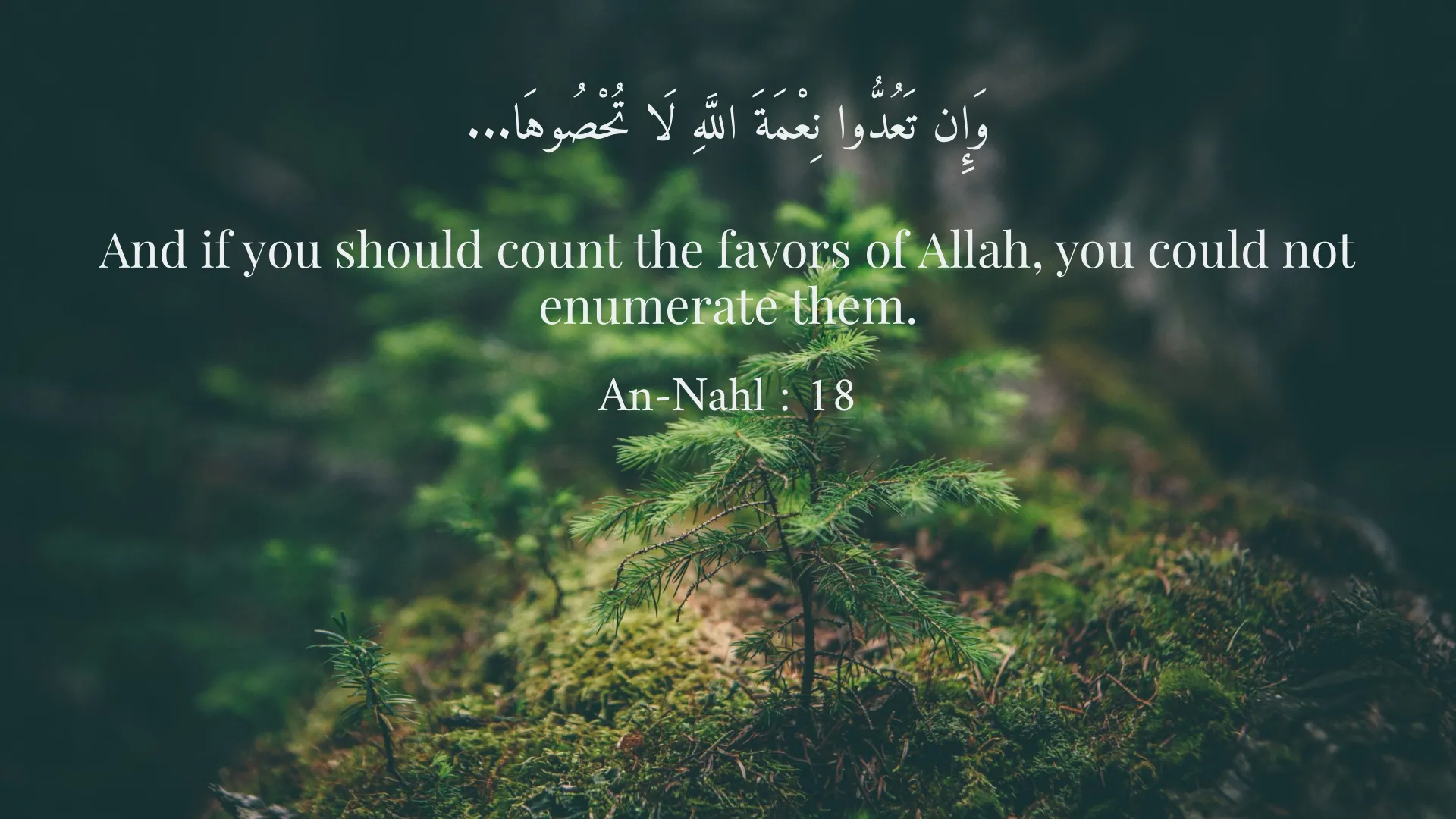
Contentment and Satisfaction in the Light of the Holy Quran The concept of contentment and satisfaction is profoundly woven throughout the fabric of Islamic teachings, particularly within the verses of the Holy Quran. Furthermore, these traits are not only encouraged but are also valued highly by Allah. The themes of gratitude and appreciation are emphasized repeatedly, serving as a reminder for believers to embrace their circumstances, however humble they may be. In this respect, understanding the significance of contentment becomes essential for spiritual growth and obtaining divine favor. In Surah An-Nahl, verse 18, Allah states, 'And if you should count the favors of Allah, you could not enumerate them...' This verse emphasizes the abundance of blessings that surround us and highlights the need for believers to cultivate an attitude of gratitude. God invites the faithful to recognize the countless bounties He has bestowed upon them, urging them to appreciate what they already possess rather than lamenting over what they lack. This act of counting one’s blessings fosters a sense of contentment, allowing an individual to be at peace with their circumstances, regardless of external comparisons or societal pressures to attain more. Through the lens of this verse, we can derive significant insights about the nature of true contentment. Rather than perceiving happiness solely through the accumulation of wealth or material possessions, believers are encouraged to find joy in the simple pleasures of life and to appreciate the inherent value of what they already possess. By practicing gratitude, individuals can develop a deeper sense of satisfaction, which transcends worldly attachments and leads to spiritual fulfillment. Furthermore, in Surah Al-Imran, verse 14, God addresses the distractions of worldly life by saying, 'Beautified for people is the love of that which they desire...'. This verse serves as a profound reminder that the material world can often cloud one’s judgment and focus, enticing individuals to chase after fleeting pleasures at the expense of their spiritual well-being. While it is natural for people to have desires, Islam promotes a balanced approach—encouraging believers to enjoy the pleasures of life within the confines of moderation and gratitude, rather than allowing these desires to dictate their happiness or sense of self-worth. The allure of worldly pleasures is indeed strong, but the teachings of the Quran advocate for a higher calling—one that calls for satisfaction and detachment from excessive worldly desires. Embracing contentment does not mean renouncing all worldly aspirations or ambitions; instead, it encourages believers to pursue their goals with a righteous mindset—understanding that true success lies not in material gain but in the peaceful acceptance of Allah’s divine plan. This balance ultimately leads to a more fulfilling and spiritually enriched life. Additionally, the practice of contentment aligns with the core Islamic belief of tawakkul, or trust in Allah. Believing that everything occurs by the will and wisdom of God helps individuals relinquish their worries about the future and find solace in the present moment. By trusting in Allah’s plan, believers can cultivate a serene heart, characterized by contentment, ease, and acceptance. This attitude enhances one’s resilience and fortitude in the face of life’s challenges, allowing believers to navigate hardship with grace and dignity. Islam presents its followers with numerous examples from the lives of Prophets and righteous individuals who embodied the virtues of contentment. The narrative of Prophet Job (Ayub) exemplifies this perfectly; he endured immense trials and tribulations, yet remained steadfast in his faith and grateful for the blessings he did possess. His unwavering belief in Allah’s wisdom serves as an inspiration for Muslims to emulate, highlighting that true contentment is found in faith and trust rather than worldly success. Moreover, the Prophet Muhammad (peace be upon him) emphasized the importance of contentment in various sayings and actions. He said, 'Wealth is not in having many possessions, but wealth is being content with what you have.' This statement illuminates the essence of genuine contentment, encouraging individuals to focus on their inner state rather than being consumed by material pursuits. The teachings of the Prophet consistently underscore that the heart at peace and the soul in satisfaction are the true indicators of prosperity—one that transcends physical wealth. In conclusion, the Quran abundantly elucidates the significance of contentment and satisfaction through its verses, addressing the intrinsic nature of human desires while providing guidance to navigate them. By recognizing the multifaceted blessings of Allah and practicing gratitude, believers can cultivate a spirit of contentment that contributes positively to their lives and their relationship with Allah. This heartfelt acceptance of circumstances, grounded in trust and faith, can ultimately lead to spiritual elevation and divine favor. In a world that often glorifies materialism and endless pursuit, the Islamic principle of contentment serves as a beacon of light, guiding individuals toward inner peace and fulfillment. Thus, striving for contentment becomes not merely a commendable moral trait but a profound expression of faith and devotion to Allah's divine wisdom.
Related Verses
وَإِن تَعُدُّوا نِعْمَةَ اللَّهِ لَا تُحْصُوهَا...
And if you should count the favors of Allah, you could not enumerate them.
An-Nahl : 18
زُيِّنَ لِلنَّاسِ حُبُّ الشَّهَوَاتِ...
Beautified for people is the love of that which they desire.
Al-Imran : 14
Short Story
One day, a man named Ali was sitting by the river, pondering over his life. He realized that he had always been in pursuit of more wealth and fame. However, in that moment, he understood that he needed to practice contentment and be satisfied with what he had. He decided to be more grateful for the blessings Allah had bestowed upon him, and in doing so, he found greater peace and satisfaction in his life.