Quranic Answer
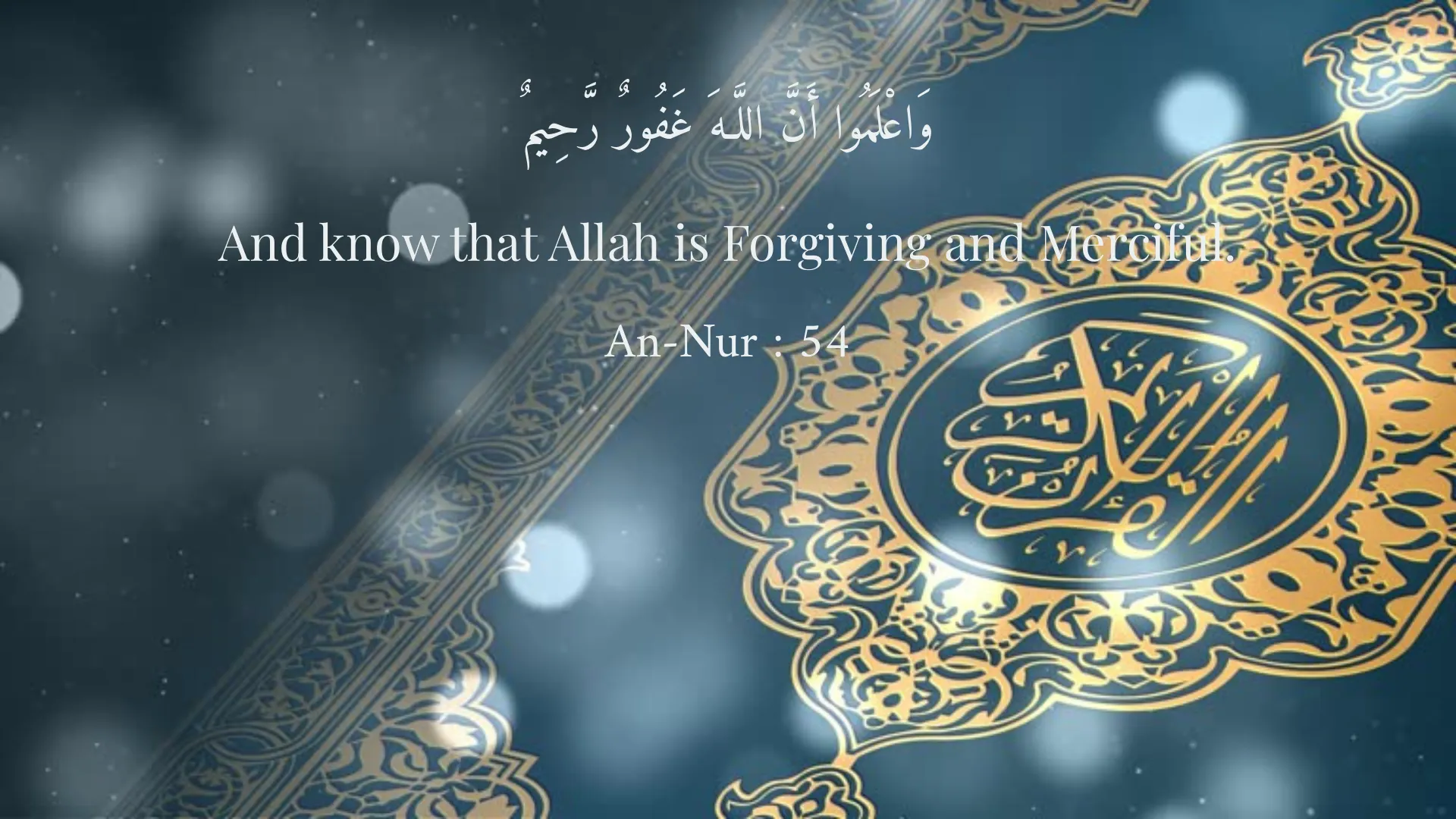
Forgiveness, an invaluable tenet of faith, stands as one of the most prominent concepts in the Holy Quran. The allure of seeking forgiveness and the transformative power it holds has resonated through ages, encouraging individuals to both extend and receive mercy within their communities. The teachings of forgiveness are deeply woven into the fabric of Islamic theology, underscoring its significance not only as a moral directive but as a pathway toward personal and social betterment. In this article, we will delve into the concept of forgiveness as illustrated in the Holy Quran, examine its implications on spirituality and well-being, and navigate the nuances that surround the act of forgiving. The Quran eloquently emphasizes the importance of forgiveness in various verses, providing insight into its relevance in the life of a believer. In Surah An-Nur, verse 54, Allah states: "And know that Allah is Forgiving and Merciful." This verse serves as a profound reminder that the capacity to forgive is rooted in divine attributes. By recognizing Allah's infinite mercy, believers are encouraged to cultivate forgiveness within themselves. The call to forgive is an invitation to reflect on one’s own shortcomings and the necessity of mercy in human relations. It reminds individuals to approach forgiveness with a sincere heart, fostering an environment of compassion and understanding. Moreover, in Surah Al-Imran, verse 134, the Quran advises: "And those who control [their] anger and who pardon the people." This verse provides a twofold approach to forgiveness—first advocating for emotional restraint, and secondly promoting the act of pardoning others. Controlling one’s anger is not merely a demonstration of emotional intelligence; it is a testament to spiritual maturity. Anger, when unbridled, can lead to feelings of resentment, animosity, and division. Hence, the Quran urges believers to rise above fleeting emotional impulses and embrace an ethos of pardon, thus paving the way for communal harmony. At its core, forgiveness is regarded as a virtuous act that leads individuals toward peace and spiritual healing. Engaging in the practice of forgiving others can offer a multitude of benefits, particularly for one's mental and social well-being. Studies in psychology suggest that forgiveness can lead to reduced anxiety, lowered stress levels, and improved psychological health. When individuals choose to forgive, they liberate themselves from the shackles of anger, jealousy, and bitterness, leading to a more peaceful and fulfilled existence. It fosters connections and nurtures relationships, directly contributing to a sense of belonging and community. However, it is imperative to question whether forgiveness is always appropriate. While the Quran advocates for forgiveness as a noble virtue, it does not advocate blind pardon in every circumstance. There are instances highlighted within Islamic teachings when one must exercise caution against the repeated mistakes of others or the neglect of personal rights. Forgiveness should not equate to passivity; rather, it should be considered with mindful wisdom to ensure that justice and equity are upheld. Preservation of dignity and respect for one's rights is also an essential aspect of interpersonal relations. As articulated in Surah Al-Baqarah, verse 181, "And whoever does a good deed, he will be rewarded." The implications of this verse extend beyond the surface understanding of good deeds, interweaving them with the act of forgiveness. While acts of kindness and generosity are commendable, their practice can also manifest through the way individuals choose to forgive those who err against them. Thus, forgiveness serves as a good deed that not only pleases the individual but also fulfills divine commands, leading to rewards both in this life and the hereafter. Forgiveness is multifaceted and situational. There arise genuine instances where forgiving may enable harmful behaviors to continue unchecked, raising an essential discussion around the necessity of establishing boundaries. For example, in relationships that involve abuse or toxic dynamics, forgiving does not necessitate a continuation of that relationship. Forgiveness in such situations may involve a deeper understanding of self-preservation along with compassion towards the person who caused harm. The lack of discernment in these cases can lead to further victimization, illustrating that wisdom and critical judgment are essential components of the forgiveness process. Furthermore, the act of forgiving should also align with reconciliation, where possible. Many teachings in the Quran provide pathways toward mending broken relationships, thus ensuring that forgiveness is not a detached act, but a facet of social healing and restoration. This highlights the importance of community in the journey of forgiveness, illustrating how individuals can work together towards mutual understanding and harmony. Ultimately, the driving principle behind forgiveness is the recognition of shared humanity. The Quran eloquently communicates that every person has the potential for imperfection, and the act of forgiving is a celebration of our collective journey towards growth. It acknowledges that each transgression can be an opportunity for learning and transformation—both for the forgiver and the forgiven. In conclusion, forgiveness, as a deeply embedded principle in the Holy Quran, presents an avenue to attain peace, resilience, and spiritual growth. It remains a cherished practice that leads individuals to release resentment while nurturing kindness in their hearts. Yet, it is essential to navigate the complexities surrounding forgiveness with wisdom and discernment, ensuring that personal rights and boundaries are respected. As believers continue to strive toward embodying the divine attributes of Allah, learning to forgive becomes an empowering journey that enriches the soul and transforms communities. This balance between granting mercy and upholding justice illustrates the depth of Islamic teachings, inviting individuals to embrace forgiveness as a pathway toward a fulfilling life.
Related Verses
وَاعْلَمُوا أَنَّ اللَّـهَ غَفُورٌ رَّحِيمٌ
And know that Allah is Forgiving and Merciful.
An-Nur : 54
وَالَّذِينَ كَظَمُوا الْغَيْظَ وَالْعَافِينَ عَن النَّاسِ ۗ وَاللَّـهُ يُحِبُّ الْمُحْسِنِينَ
And those who control [their] anger and who pardon the people. And Allah loves the doers of good.
Al-Imran : 134
وَمَن يَفْعَلْ خَيْرًۭا فَلَهُ أَجْرٌۭ عَظِيمٌۭ
And whoever does a good deed will have a great reward.
Al-Baqarah : 181
Short Story
On a beautiful day, Maryam was sitting in the park, reflecting on her life. She always tried to forgive others but was hesitant about a friend who had hurt her. However, remembering the verses of the Quran, she decided to let go of the grudge and reconnect with her friendship. From that day on, she felt a greater sense of peace and learned that forgiveness, even in the toughest situations, can lead to improved relationships.