Quranic Answer
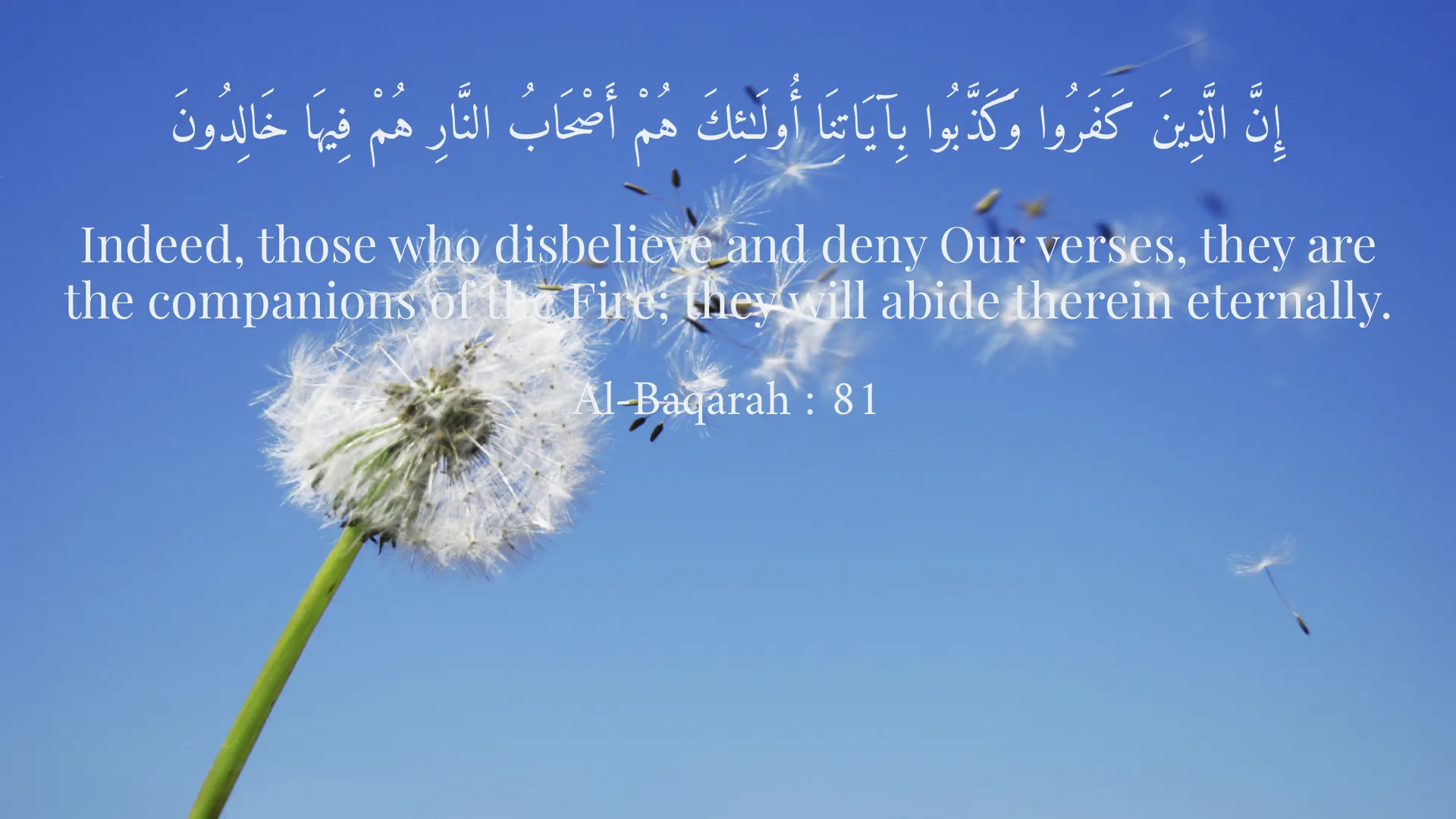
The concept of Hell and its torment is a recurrent theme in the Holy Quran, which serves as a foundational text for Muslims around the world. Deeply interwoven with the principles of justice, morality, and accountability, the descriptions of Hell highlight the consequences of one's actions in life. The Quran explicitly emphasizes that Hell is primarily designated as a place of eternal punishment for disbelievers, those who not only reject faith but also deny the signs and verses of Allah. This notion is crucial in establishing the dichotomy between believers and disbelievers within Islamic teachings. In this article, we will delve deeper into various aspects of Hell as articulated in the Quran, juxtaposing the differing scholarly interpretations towards the nature of Hell, who will ultimately experience its torment, and under what conditions mercy may alleviate such punishment. To begin with, let us consider a pivotal verse from Surah Al-Baqarah, verse 81, which states, 'Indeed, those who disbelieve and deny Our verses, they are the companions of the Fire; they will abide therein eternally.' This verse unequivocally underscores the gravity of disbelief and the finality of the punishment awaiting those who choose to turn away from faith and the divine signs presented to them. The permanence of Hell illustrates a significant element of Islamic theology—the idea that accountability is paramount. It serves as both a warning and a motivator for believers to adhere to the faith and the commandments of Allah, leading a life riddled with moral choices and guided by Islamic principles. The emphasis on eternity in Hell for disbelievers is reinforced throughout the Quran, manifesting echoes of divine justice where individuals are held accountable for their choices. This theme can be further recognized in Surah Al-Mu’minun, verse 103, where it states, 'So the disbelievers will be identified by their marks, and they will be seized by their forelocks and their feet.' This passage not only illustrates the fate of disbelievers but also accentuates the disgrace faced by those who forsake the truth. The imagery of being seized highlights the intensity of the punishment that awaits, further instilling fear and prompting individuals to contemplate their beliefs and actions in life. Despite this grim portrayal of Hell, there exists another narrative among various Islamic scholars, offering a nuanced perspective regarding punishment and the potential for redemption. Some scholars maintain the view that, while Hell is generally an eternal abode for disbelievers, there are instances where certain sins may lead to temporary punishment in Hell for believers. However, if believers genuinely repent and seek Allah's mercy, they may ultimately be forgiven. This notion finds validation in the teachings surrounding the concept of mercy, which is a cornerstone of Allah's attributes in Islam. The presence of mercy within the Quran invites believers to maintain hope, regardless of their misdeeds. The Quran beautifully portrays Allah as the Most Merciful, emphasizing that His compassion exceeds His wrath. A prominent verse often cited in this context is found in Surah Az-Zumar, verse 53, where Allah invites His creations: 'O My servants who have believed, fear your Lord. For those who do good in this world is good, and the earth of Allah is spacious. Indeed, the patient will be given their reward without account.' The verse encourages believers to turn back to Allah, reconciling that divine mercy is accessible to those who sincerely seek it. Alongside these themes, the Quran offers insights into the concept of purgation through punishment for believers who sin but ultimately hold faith in Allah. Scholars have discussed interpretations wherein believers—despite enduring some form of punishment—are viewed as experiencing Hellfire for a defined period to cleanse them of their sins. Such punishments serve as a transformative process, allowing individuals to attain a purer state conducive to Allah’s mercy. This concept of purification illustrates Allah's just nature, where punishment is balanced with the potential for forgiveness and eternal happiness in Paradise. It is also essential to acknowledge the broader implications of these interpretations. The divergent views underscore theologically significant discussions, which orient believers towards ethical living, community responsibility, and personal growth. When individuals consider the consequences of their actions and reflect on the mercy of Allah, it cultivates a sense of accountability, compelling them toward righteous conduct. Such discussions propel believers to uphold high moral standards and foster a spirit of repentance, leading them ultimately to a better, more harmonious existence. Moreover, recognizing the complexities of interpretation associated with Hell and its relation to sin and mercy invites believers to engage with their faith critically. It encourages them to not simply accept the theology at face value but to seek further understanding, leading to a richer, more nuanced appreciation of Quranic messages regarding divine justice and mercy. This continuous engagement with scripture enables believers to develop personal relationships with Allah, instilling hope and fear in a balanced manner. In conclusion, the diverse perspectives surrounding Hell in the Quran—particularly the eternal punishment for disbelievers versus the potential for alleviation through mercy for believers—reflect profound theological constructs within Islamic thought. The depiction of Hell serves a dual purpose: it acts as a deterrent against disbelief and wrongdoing while simultaneously providing a pathway to understanding divine mercy. Ultimately, while Hell remains a significant consequence of disbelief, the compassionate nature of Allah establishes a balance, highlighting that even those who falter may find redemption through sincere repentance. As we navigate the complexities and implications of this critical aspect of faith, believers are compelled to tread thoughtfully in their lives, embodying the principles of justice, accountability, and the perpetual seekance of Allah’s mercy.
Related Verses
إِنَّ الَّذِينَ كَفَرُوا وَكَذَّبُوا بِآيَاتِنَا أُولَـٰئِكَ هُمْ أَصْحَابُ النَّارِ هُمْ فِيهَا خَالِدُونَ
Indeed, those who disbelieve and deny Our verses, they are the companions of the Fire; they will abide therein eternally.
Al-Baqarah : 81
فَأَصْحَابُ النَّارِ هُمُ الْخَالِدُونَ فِيهَا
So the companions of the Fire will abide therein eternally.
Al-Mu'minun : 103
Short Story
Once upon a time, a man believed that there was no life after death, and that no one would witness divine punishment. One day he had a terrifying dream of fire and woke up in fear. He chose to seek knowledge about the punishments of the hereafter. He learned that there was a path of repentance and God’s mercy, realizing the need to perform good deeds. From that day onward, he began to worship and pray, never again losing hope in God's compassion.