Quranic Answer
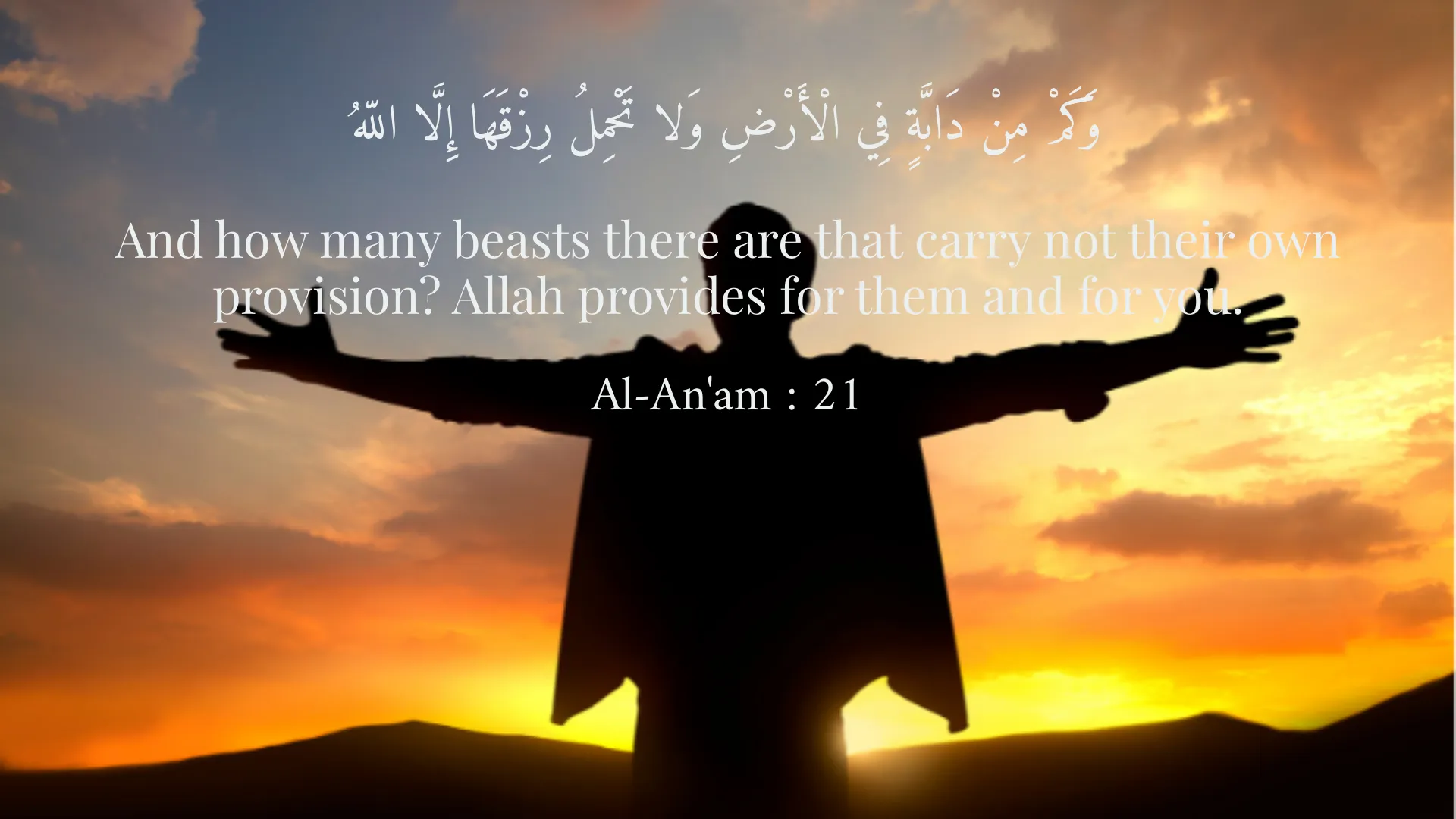
The importance of compassion and kindness towards all living beings, including animals, is a central theme woven throughout the teachings and verses of the Holy Quran. This principle reflects a broader ethical framework that emphasizes the interconnectedness of life and the responsibility that humans bear towards all creatures. In this article, we will explore the various Quranic verses and Hadiths that underscore the significance of helping animals, the implications of such actions for individuals and society, and the ways in which these teachings can be applied in modern contexts. One of the most poignant verses that highlight Allah's concern for animals is found in Surah Al-An'am, verse 21: "And how many beasts there are that carry not their own provision? Allah provides for them and for you." In this verse, Allah acknowledges that not all creatures are equipped to fend for themselves, yet He provides for their needs as He does for humanity. This verse serves as a reminder that all living beings, regardless of their capability to provide for themselves, are deserving of care and compassion. It prompts believers to reflect on their responsibility towards these creatures and to recognize their role as caretakers of the earth. Moreover, the teachings of Prophet Muhammad (peace be upon him) further reinforce this message. In a Hadith, it is stated, "There is a reward in every living creature." This assertion signifies the importance of showing kindness and providing aid to all forms of life, as acts of compassion are rewarded by Allah. The Hadith highlights that the act of helping animals is not merely a moral obligation but also a spiritually rewarding endeavor. The Islamic tradition emphasizes various forms of support for animals, including but not limited to providing food, shelter, and medical care. Engaging in acts of kindness towards animals is seen as a reflection of one's character and moral fiber. Additionally, care for animals can be viewed as a way of fulfilling the trust bestowed upon humans by Allah, as indicated in Surah Al-Mu'minun, verse 11: "Indeed, they who are to their trusts and their covenant do [should] intend." This verse stresses the importance of fulfilling one’s obligations, which extends beyond our interactions with human beings to include our responsibilities towards the animals and environment. The significance of respecting and caring for animals transcends religious boundaries and holds relevance in various cultural contexts as well. The ethical treatment of animals is increasingly recognized in global discourse, as discussions around animal rights and welfare gain momentum. Islam, with its rich tradition of compassion, offers valuable insights that can contribute to these discussions. In Islamic culture, respect and kindness towards animals are seen as characteristics of virtue and integrity. This cultural ethos encourages individuals to judge their humanity by how they treat those who are vulnerable and unable to speak for themselves. In practice, helping animals can take many forms. It may involve adopting pets from shelters, providing donations to animal welfare organizations, or volunteering time to care for stray animals. In addition, educational initiatives that promote humane treatment of animals can help foster a culture of compassion within communities. Awareness campaigns can highlight the importance of spaying and neutering pets, preventing overpopulation, and reducing the number of abandoned animals. Furthermore, the environmental aspect of helping animals cannot be overlooked. Animal behavior is closely linked to ecosystem health. By protecting species and their habitats, we are also contributing to the overall balance of the ecosystem, which in turn benefits humanity. For instance, preserving bees through supportive practices not only helps in the sustainability of these vital pollinators but also promotes food security for people by supporting the agricultural systems that rely on their pollination. As we navigate through today’s global challenges, the teachings of compassion from the Quran and Hadith can guide individuals, communities, and societies in developing a more harmonious relationship with animals and the environment. By embracing the values of kindness, stewardship, and responsibility outlined in these teachings, we can foster a culture that genuinely respects and cares for all living beings. In conclusion, the Quran and the teachings of Prophet Muhammad (peace be upon him) encourage believers to extend their compassion beyond humanity to include all living beings. The ethical imperatives found in these religious texts compel us to recognize our shared existence with animals and to take action to support their welfare. This compassionate approach not only enriches our moral character but creates a more empathetic society, underscoring the fundamental principle that true greatness lies in our ability to care for those who cannot care for themselves. As we continue to find ways to help animals, may we remain committed to embodying these teachings in our lives and communities.
Related Verses
وَكَمْ مِنْ دَابَّةٍ فِي الْأَرْضِ وَلا تَحْمِلُ رِزْقَهَا إِلَّا اللّهُ
And how many beasts there are that carry not their own provision? Allah provides for them and for you.
Al-An'am : 21
إِنَّ الَّذِينَ هُمْ لِأَمَانَاتِهِمْ وَعَهْدِهِمْ رَاعُونَ
Indeed, they who are to their trusts and their covenant do [should] intend.
Al-Mu'minun : 11
Short Story
One day, a young man named Sajjad was walking in the forest when he suddenly noticed an injured animal. Remembering the teachings of the Quran, Sajjad decided to help the animal. He took it home and cared for it for days until it recovered. This act not only brought joy to Sajjad but also made him feel that his spirit was calmer and revitalized.