Quranic Answer
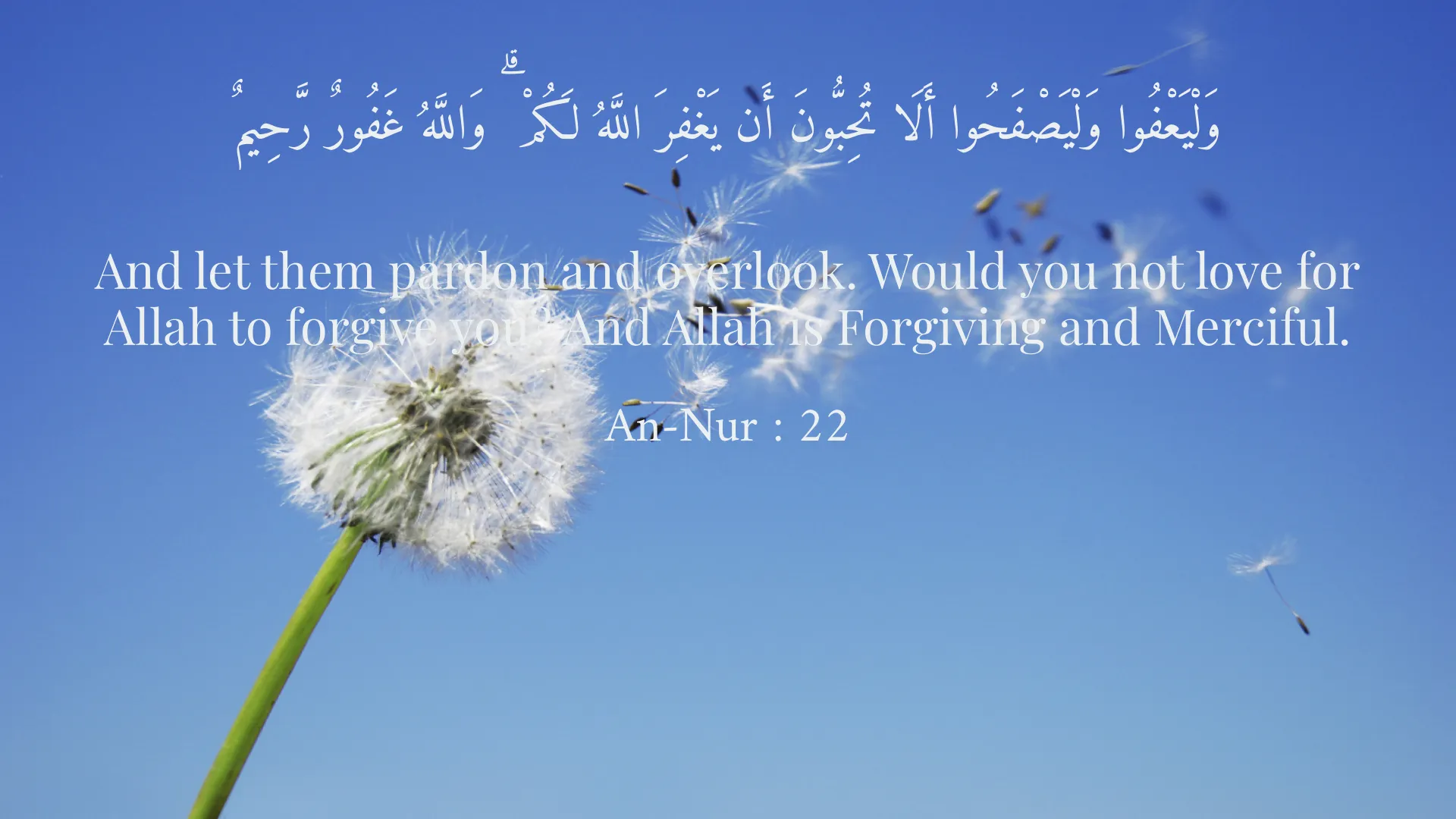
In the Holy Quran, the themes of forgiveness and mercy are explored in depth, revealing the profound significance these concepts hold in the relationship between humanity and Allah. Throughout the scripture, believers are reminded of the importance of exhibiting compassion toward one another, as Allah, the All-Merciful, exemplifies these virtues in His interactions with His creation. Forgiveness is a complex and multifaceted concept that spans various cultures and religions. However, in Islam, it is particularly emphasized as a means of fostering peace and harmony. Allah encourages His servants to forgive others, effectively promoting a society that is free from hatred and resentment. Such teachings are not only a directive from the Divine but also a guideline for personal development and inner peace. One striking example is found in Surah An-Nur (The Light), verse 22, which states: 'And let not those of you who possess wealth and abundance swear not to give to the near relatives and the orphans and the needy and the migrants for the cause of Allah. And let them pardon and overlook. Would you not love for Allah to forgive you? And Allah is Forgiving and Merciful.' This verse encapsulates several important themes: the importance of charity, the necessity of forgiving others, and the unlimited capacity of Allah for forgiveness. The instruction to 'pardon and overlook' serves as a powerful reminder that forgiveness is a conscious decision to let go of resentment, grudges, and anger. It is a reflection of a person’s inner strength and moral character. Forgiveness does not imply condoning wrongdoings; rather, it signifies a choice to rise above the hurt, thereby enabling oneself to heal and move forward with a lighter heart. In modern society, where conflicts and disagreements abound, the practice of forgiveness can serve as a remedy to prevent the cycles of animosity and misunderstanding that plague many relationships. Moreover, this verse indicates the reciprocal nature of forgiveness. As Allah is Forgiving and Merciful, He prompts us to extend that same compassion to others. The rhetorical question, 'Would you not love for Allah to forgive you?' reminds believers that forgiveness is not a one-way street; it encourages them to seek forgiveness from the Almighty, who understands human frailty and is always prepared to accept repentance. This divine quality of mercy plays a central role in the Islamic faith, for it serves as a reminder of the ever-present opportunity for redemption, even for those who have erred significantly. The role of forgiveness diverges into the realm of personal responsibility when examining another enlightening verse in Surah Al-Maidah (The Table Spread), verse 13: 'But because of their breach of covenant, We cursed them and made their hearts hard. They distort words from their proper usages and have forgotten a portion of that of which they were reminded.' This verse presents a juxtaposition; it reveals the consequences of failing to uphold moral commitments and the importance of repenting genuinely. Here, Allah delineates the terms and consequences of forgiveness, illustrating how a lack of repentance and accountability can lead to spiritual desensitization, or hardness of heart. When individuals turn back to Allah with sincerity, seeking forgiveness, an essential transformation occurs. The act of genuine repentance is not merely a verbal declaration but involves a heartfelt intention to abandon previous misdeeds and embody constructive attributes. This process liberates individuals from the weight of guilt and sin, allowing them to embrace a renewed sense of purpose and tranquility in their daily lives. This ongoing process of seeking forgiveness from Allah also urges believers to forgive themselves, which is crucial for psychological and spiritual well-being. Forgiving oneself becomes vital in breaking the cycle of guilt and shame that often ensnares individuals after transgressions. Failure to forgive oneself can lead to a continuous sense of undeserved punishment, thereby hindering growth and the ability to enact positive change. By accepting Allah’s mercy and embracing self-forgiveness, believers can channel their energies toward constructive actions, ultimately seeking to embody the virtues Allah espouses. The benefits of forgiveness extend beyond individual well-being; they also enhance communal harmony. In any social setting, grudges and unresolved conflicts can lead to divisions that disrupt the fabric of society. The Quran teaches a moral duty to maintain relationships, support one another, and foster a loving and supportive environment. Forgiveness acts as a solvent for disputes, enabling the renewal of relationships and reinstating trust. Implementation of the teachings of forgiveness in our daily interactions entails deliberate practice. It invites individuals to reflect on their actions, understand the humanity in others, and choose paths that lead to peace rather than war. Forgiveness can be a powerful catalyst for change within families, communities, and societies, promoting collective healing and fostering an atmosphere of collaboration. In conclusion, the Quran's emphasis on forgiveness and mercy serves as a reminder of the importance of cultivating these virtues within ourselves and our communities. The verses discussed encourage believers to liberate themselves from the chains of anger and resentment while recognizing the wealth of compassion available from Allah. Each individual’s decision to forgive not only elevates their own spiritual journey but also contributes to creating a world where mercy overcomes hardship, and love dispels hatred. By embodying the principles of forgiveness outlined in the Quran, we can aspire to live in accordance with divine will, becoming examples of mercy, peace, and understanding in our lives and interactions with others.
Related Verses
وَلْيَعْفُوا وَلْيَصْفَحُوا أَلَا تُحِبُّونَ أَن يَغْفِرَ اللَّهُ لَكُمْ ۗ وَاللَّهُ غَفُورٌ رَّحِيمٌ
And let them pardon and overlook. Would you not love for Allah to forgive you? And Allah is Forgiving and Merciful.
An-Nur : 22
فَمَا أَخَذُوا مِثَلَهَا فَاجْتَبَاهُمْ اللَّـهُ لِلْمَغْفِرَةِ
So We cursed them due to their breaking of the covenant and made their hearts hard.
Al-Maidah : 13
Short Story
Once upon a time in a village, there was a man named Ali who constantly dwelled on his past mistakes. One day, someone told him: 'Why don't you forgive yourself?' This line made Ali reflect deeply. He then decided to let go of the past so he could start anew, and in doing so, he found a new peace.