Quranic Answer
In Islamic teachings, the importance of respect for religion and its sacred values is always emphasized. The Holy Quran explicitly warns against mockery and jesting at divine verses and prophets in several instances. The respect and reverence for religion are not merely cultural norms but are deeply rooted in the ethical framework dictated by Islamic doctrine. Through various verses, the Holy Quran outlines the significance of such respect, primarily to maintain the integrity of faith and to uphold the honor of the Almighty and His messages. In Surah Al-Baqarah, verse 2, Allah states: 'This is the Book about which there is no doubt.' This powerful proclamation establishes the foundation of the Quran as a definitive guide in a believer's life. The emphasis on the lack of doubt signifies that engaging in mockery or derision compromises the very essence of what is understood as truth within Islam. When individuals jest or undermine the teachings of the Quran, they not only challenge the fidelity of the sacred text but also impair their connection to its teachings and wisdom, something that is pivotal for spiritual growth. Furthermore, Surah At-Tawbah, verse 65 tells us: 'Those who mock Allah and His Messenger will be punished.' This verse serves as a stern warning about the severe consequences faced by those who engage in acts of disrespect towards the divine. Such humor is not simply viewed as light-hearted playfulness; instead, it is interpreted as a serious affront and a moral transgression. The admonition to refrain from mocking holds profound implications. It reflects an understanding that humor, particularly concerning aspects of faith, can easily lead to tumultuous consequences, generating discord within the community. Another vital aspect is articulated in Surah Al-Hajj, verse 30, which mentions: 'And whoever honors the rites of Allah - indeed, it is from the consciousness of hearts.' This passage emphasizes that revering the rites and values of Islam is a direct reflection of one’s internal faith and consciousness. The act of honoring such sacred values fosters a sense of community and reinforces shared beliefs among Muslim individuals. Conversely, mockery and disrespect undermine the consciousness that ought to draw believers together in unity and faith. From a theological perspective, showing honor to religion and its precepts goes beyond mere acknowledgment; it requires active engagement and sincere commitment to uphold its dignity. In the broader scope, this principle serves to promote societal cohesion. When individuals mock or diminish the beliefs of others, it engenders division and rifts in social relations. The unity of Muslims is paramount to fostering harmony within communities, and any action that may cause a feeling of alienation or disrespect directly jeopardizes this unity. As communities become increasingly globalized, the intermingling of various cultures and belief systems can lead to misunderstandings and cultural insensitivity. Joking about another’s faith or sacred practices can quickly escalate into conflicts and exacerbate social tensions. Respecting the beliefs of others does not mean relinquishing one's principles but instead is about fostering an environment of mutual understanding and tolerance. The Quran's teachings, coupled with the guidelines provided by prophetic traditions (Hadith), advocate for respect, which is an essential cornerstone in maintaining peace and solidarity among diverse groups. Additionally, on an ethical level, the practice of mocking religion can have long-lasting implications for the moral fabric of society. The act of ridicule not only affects the individual who is mocked but also creates an atmosphere where respect for various belief systems is diminished. Such an atmosphere can lead to a culture of intolerance, nurturing hostility and division over understanding and acceptance. Promoting a respectful discourse concerning sacred values ultimately serves the greater good of society, as it cultivates empathy and compassion among individuals of differing backgrounds. In comprehensively addressing the question of whether humor targeting religion is acceptable, it is essential to consider the religious and societal ramifications. The teachings of Islam firmly advocate against any form of degradation of divine principles. Engaging in mockery diminishes the sacredness ascribed to these tenets and detracts from the core values upheld by the Islamic faith. Moreover, the divine emphasis on respect is echoed in various Islamic traditions that bolster the Quranic injunctions. The experiences of the Muslim community through history have shown that when faith is approached with respectful reverence, it fosters a sense of belonging and support that can withstand social tensions or challenges. In conclusion, the understanding derived from several verses of the Quran and related teachings clearly indicates that mockery and jesting at the divine and religious practices are sinful and undesirable. The religious implications compel believers to adhere closely to their values, while the societal implications highlight the importance of respecting the beliefs of others to maintain harmony within communities. Therefore, the promotion of respect and reverence for religion is essential, not merely for individual piety but also for the collective well-being of society as a whole. Practicing respect at all levels fortifies the foundation of faith and nurtures a climate conducive to peaceful coexistence.
Related Verses
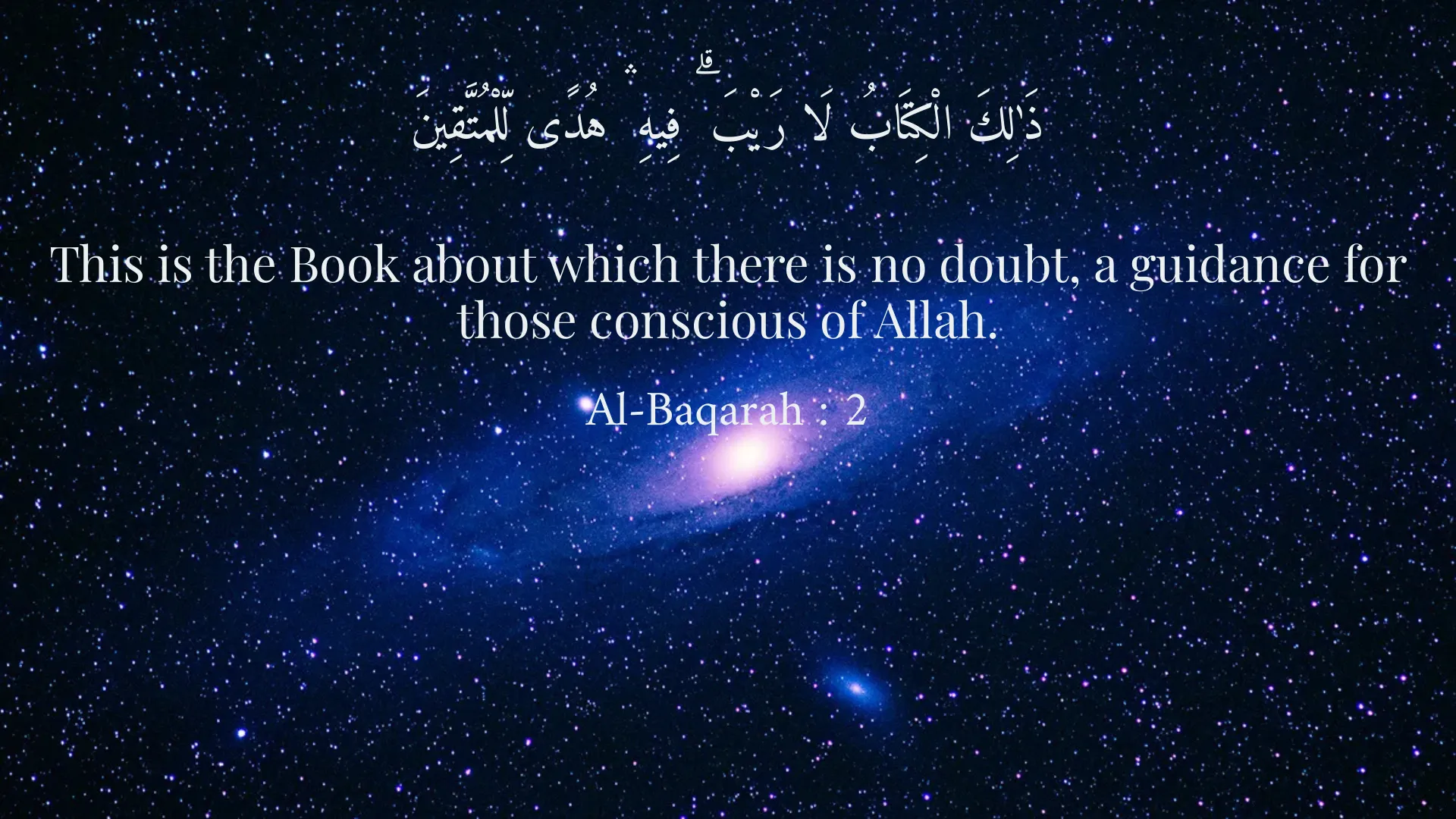
ذَٰلِكَ الْكِتَابُ لَا رَيْبَ ۗ فِيهِ ۛ هُدًى لِّلْمُتَّقِينَ
This is the Book about which there is no doubt, a guidance for those conscious of Allah.
Al-Baqarah : 2
وَلَئِن سَأَلْتَهُمْ لَيَقُولُنَّ إِنَّمَا كُنَّا مُسَاهِمِينَ
And if you ask them, they will surely say, 'We were only conversing and playing.'
At-Tawbah : 65
فَذَلِكَ مَن كَانَ بِهِ لَا يُعَذَّبُ
So whoever honors the rites of Allah - indeed, it is from the consciousness of hearts.
Al-Hajj : 30
Short Story
One day, Ahmad was sitting in a friendly gathering when one of his friends joked inappropriately about religion and God. Ahmad, feeling uneasy, said, 'My friend, these words are not jokes; they are our sacred beliefs.' This statement impacted his friends, and gradually, a discussion about respecting religion and sacred values began. From that day forward, they decided not only to avoid disrespecting religion themselves but also to encourage others to maintain respect.