Quranic Answer
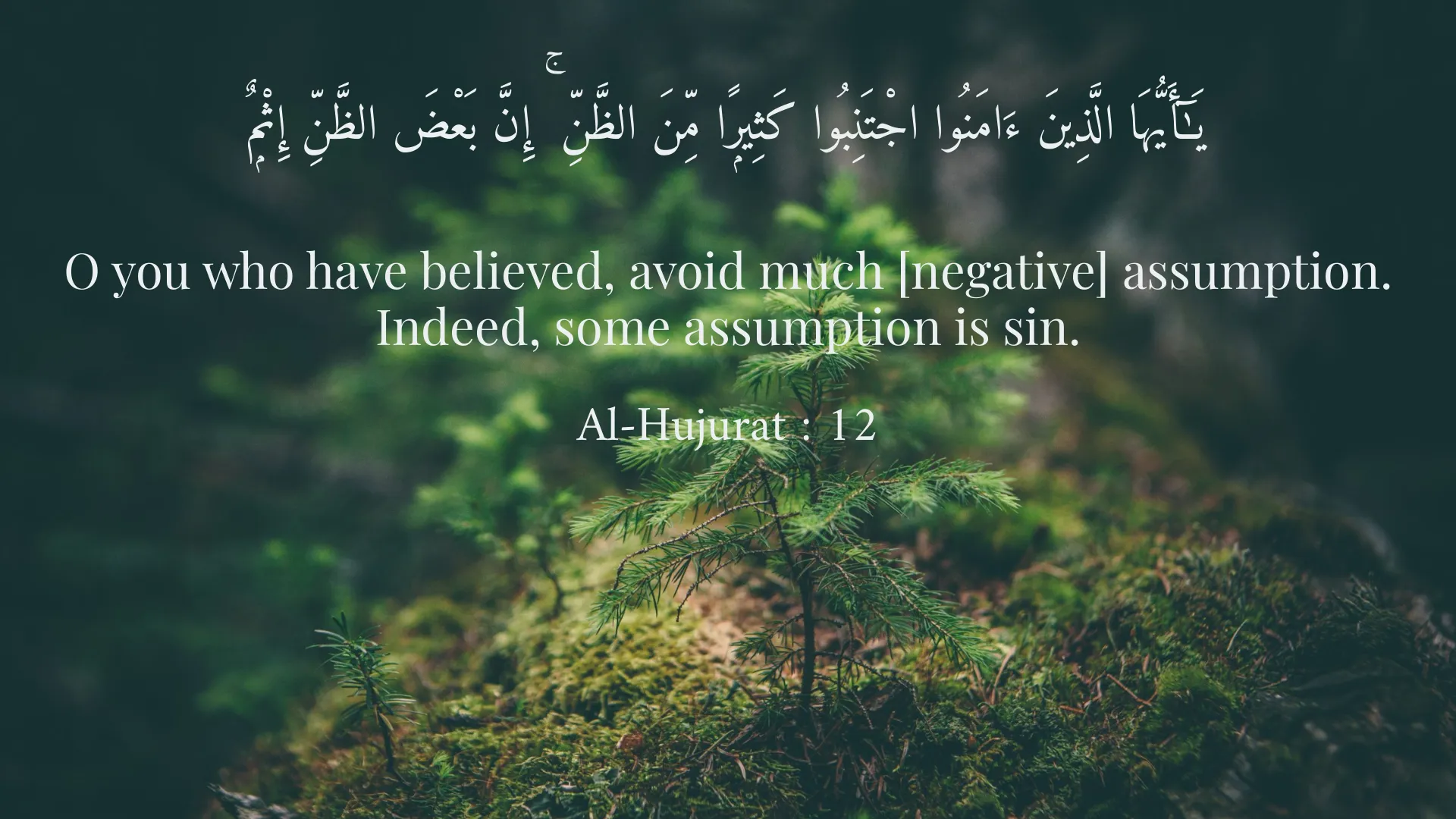
In the Holy Quran, there is a significant emphasis on human value and respecting the rights of others. This divine scripture serves not only as a guide for spiritual and moral conduct but also lays down fundamental principles that emphasize the importance of mutual respect, understanding, and compassion among people. In a world where judgments and assumptions often lead to misunderstandings and conflicts, the teachings of the Quran urge its followers to cultivate an atmosphere of empathy and positivity. This article seeks to explore these teachings in detail, specifically highlighting the messages encapsulated within Surah Al-Hujurat and Surah Luqman, and their relevance to contemporary society. The need for a careful and positive examination of our perceptions toward others is strikingly underlined in Surah Al-Hujurat, verse 12, where Allah advises the believers to avoid suspicion about one another. The verse states: 'O you who have believed, avoid much [negative] assumption. Indeed, some assumption is sin.' This exhortation stresses the deeply ingrained Islamist belief that harboring negative assumptions about others can become a path to sin. The teachings here remind us that every individual, regardless of their background, deserves to be treated with respect and dignity. It serves as a wake-up call for every believer to examine the core of their assumptions and judgments about others. The Quran’s message on assumptions encourages circumstantial understanding. It implores believers to think beyond surface-level attributes and social stratifications. In today’s world, filled with unrealistic stereotypes and biases against various groups, striving to view others positively not only fosters social harmony but also strengthens the moral fabric of our communities. This self-reflection can also undoubtedly lead to a more inclusive and accepting society, where individuals are judged based on their character and actions rather than preconceived notions. Furthermore, the Quran encourages humility—a trait much needed in a world often marked by pride and arrogance. Surah Luqman, verse 18, presents a powerful reminder: 'And do not turn your cheek [in contempt] toward people and do not walk through the earth exultantly. Indeed, Allah does not like every self-deluded boaster.' This verse fundamentally challenges a culture that celebrates high self-esteem at the expense of others. It calls upon believers to engage with the community respectfully and to remain grounded irrespective of their status or achievements. Humility in Islam is intertwined with the responsibility of acknowledging one's own flaws and recognizing the strengths within others. This is intrinsically linked to practicing self-awareness and mindfulness, which are vital for personal growth and fostering better interpersonal relationships. Rather than elevating oneself through mockery or contempt, believers are encouraged to uplift each other through kindness and understanding, creating a nurturing environment where everyone can flourish. Both verses track a path toward a harmonious social framework that fundamentally aligns with the core values of compassion and respect. The Quran reminds us that having a negative view of others is not just a personal shortcoming; rather, it can reflect a broader ethical failure to acknowledge the inherent dignity of all human beings. It emphasizes the moral responsibility we have in shaping our perceptions and attitudes. Practical applications of these teachings can play a transformative role, particularly in our polarized societies today. By fostering a culture where criticisms are constructive and dialogue is open, we can challenge prevailing stereotypes and build bridges rather than walls. Encouraging believers to engage actively in their communities in positive ways—through volunteering, dialogue, and finding common ground—can facilitate reconciliation and healing among conflicting groups. Ultimately, the teachings of the Quran espouse the view that everyone may err and that as human beings, we are all in need of compassion and mercy. Just as we wish to be judged fairly and kindly by others, so too must we extend that same courtesy to them. Upholding one another—acknowledging faults while hoping for betterment—lays the groundwork for societal progress and personal relationships steeped in kindness. By promoting understanding and support, we align with the core principles of Islam that seek not just individual righteousness but also collective upliftment. Thus, in practicing these teachings, believers heal themselves and contribute to healing the world. It is vital in promoting a climate where positivity reigns and where the rights of every individual are acknowledged and respected. The path is challenging, but it is illuminated by the teachings of the Quran that guide believers to nurture a spirit of humility, respect, and love for one another.
Related Verses
يَـٰٓأَيُّهَا الَّذِينَ ءَامَنُوا اجْتَنِبُوا كَثِيرًۭا مِّنَ الظَّنِّ ۚ إِنَّ بَعْضَ الظَّنِّ إِثْمٌۭ
O you who have believed, avoid much [negative] assumption. Indeed, some assumption is sin.
Al-Hujurat : 12
وَلَا تَصْعَرْ خَدَّكَ لِلنَّاسِ وَلَا تَمْشِ فِي الْأَرْضِ مَرَحًا ۚ إِنَّ اللَّهَ لَا يُحِبُّ كُلَّ مُخْتَالٍ فَخُورٍ
And do not turn your cheek [in contempt] toward people and do not walk through the earth exultantly. Indeed, Allah does not like every self-deluded boaster.
Luqman : 18
Short Story
One day, a man named Hosam was walking in the market and looking at other people's clothing. He thought to himself how some of them looked so poorly and insignificantly. Suddenly, an old man approached him and said: 'O young man! Do not judge anyone by their clothing; their soul may be much greater than yours.' Hearing this, Hosam realized that his wrongful judgment could lead him astray. From that day on, he tried to view others with respect and kindness.