Quranic Answer
The concept of luck and fortune is a topic that often provokes deep philosophical discussions across cultures and religions. While many people may consider luck as a random and capricious element governing their lives, the Holy Quran presents a more nuanced understanding through its references to destiny and fate. In exploring these themes, one can uncover profound insights regarding the nature of human existence, individual responsibility, and the divine will. Throughout this article, we will delve into the interpretations of fate as outlined in the Quran and contemplate how they shape our understanding of luck and fortune within the context of one's actions and moral choices. At the outset, it is essential to acknowledge that the Quran does not explicitly mention the terminology of luck or fortune in the conventional sense. Rather, it emphasizes the concepts of destiny (Qadar) and fate (Maqdar). These foundational terms reveal a worldview predicated on the belief that while humans possess free will, their choices are ultimately aligned with a divine plan orchestrated by Allah. In Surah Al-Jathiya (45:22), the Quran states: "And that Allah is the Gatherer," which can be interpreted to mean that it is God who determines the destinies of individuals based on their actions and intentions. This crucial verse lays the groundwork for understanding the significance of individual agency in shaping one's fate. The notion that one's fate lies in their own hands brings to the forefront the discussion of human responsibility. According to Islamic teachings, human beings are endowed with free will, and with this gift comes the obligation to make choices that adhere to moral and ethical standards. Each person is accountable for their actions, which subsequently influences their fate. This principle, therefore, counters the idea of luck as a mere randomness dictating life events. Instead, it positions personal determination and conscious decision-making at the core of one's destiny. Furthermore, in Surah Al-An'am (6:17), the Quran provides a significant insight into the role of divine intervention in human affairs: "And if Allah touches you with harm, there is none to remove it except Him." This verse underscores a fundamental belief within Islamic theology that while humans may strive to affect their outcomes through effort and intention, there are circumstances beyond human control. It serves as a reminder that, ultimately, it is Allah who possesses absolute power over fate, reinforcing the idea that appeals to luck or fortune are futile when faced with the divine decree. Moving beyond the strict confines of theology, one might ask what practical implications this understanding of fate has on the everyday lives of individuals. Understanding that happiness and unhappiness are not purely by chance but depend on individual determination and effort can lead to a transformative perspective. This outlook promotes agency; it encourages believers to actively engage in the process of striving for righteousness as they navigate the complexities of life. The Quran provides guidance in adhering to Allah's commands as the route towards achieving a blessed and fulfilling life. The act of striving (Jihad) in one's actions is highly encouraged. This striving extends not only to spiritual endeavors but also to ethical conduct in daily interactions, perseverance in the face of adversity, and dedication to self-improvement. According to Islamic teachings, this commitment to righteousness aligns individuals with the divine plan and may ultimately lead them to favorable outcomes and positions in life. In considering the reality of life's challenges, a balanced approach to understanding fate presents a healthy coping mechanism. Recognizing that hardships have divine wisdom behind them can lend comfort and resilience. Believers are encouraged to be patient in adversity and to seek Allah's help, understanding that trials may ultimately serve as a means of personal growth or spiritual elevation. Additionally, there is a communal dimension to these teachings, emphasizing the importance of support among individuals. When a community strives toward righteousness collectively, it cultivates an environment conducive to positive outcomes, enhancing social stability and mutual assistance. This interaction intertwines personal fate with communal well-being, making it evident that an individual's well-being is closely linked to the state of the community at large. In conclusion, the Quran offers a rich understanding of the concepts of luck and fortune through the lens of destiny and fate. While it firmly establishes that God holds the ultimate authority over one’s outcomes, it simultaneously emphasizes the responsibility of individuals to act in accordance with divine guidance. The interplay between free will and divine will is complex yet vital in shaping one's fate. The path to happiness and fulfillment, according to Quranic teachings, is not random but rather a fruition of intent, effort, and adherence to righteousness. By embracing this perspective, individuals can cultivate lives characterized by purpose, resilience, and a deeper understanding of their place within the divine tapestry of existence.
Related Verses
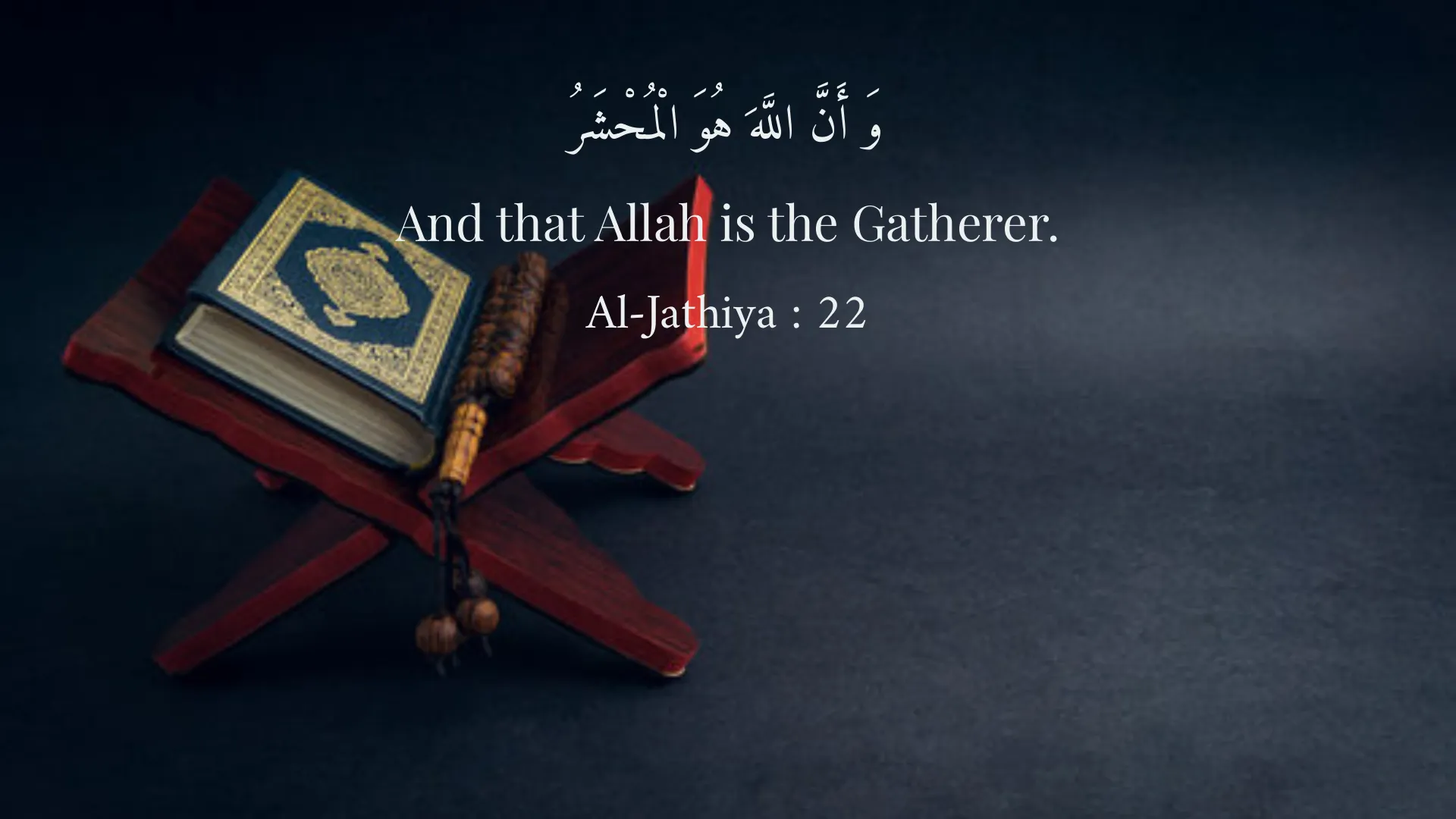
وَ أَنَّ اللَّهَ هُوَ الْمُحْشَرُ
And that Allah is the Gatherer.
Al-Jathiya : 22
وَ إِن يُصِبْكَ اللَّهُ بِضُرٍّ فَلَا كَاشِفَ لَهُ إِلَّا هُوَ
And if Allah touches you with harm, there is none to remove it except Him.
Al-An'am : 17
Short Story
Once upon a time, a man named Ahmad decided to focus more on the power of prayer and good intentions in his life. He always acted upon the teachings of the Quran and understood that luck and fortune would be determined by his own actions. Day and night, he humbly prayed to God and made efforts in doing good deeds for others. As a result of his endeavors, he began to witness numerous blessings and abundance in his life, enjoying happiness and success.