Quranic Answer
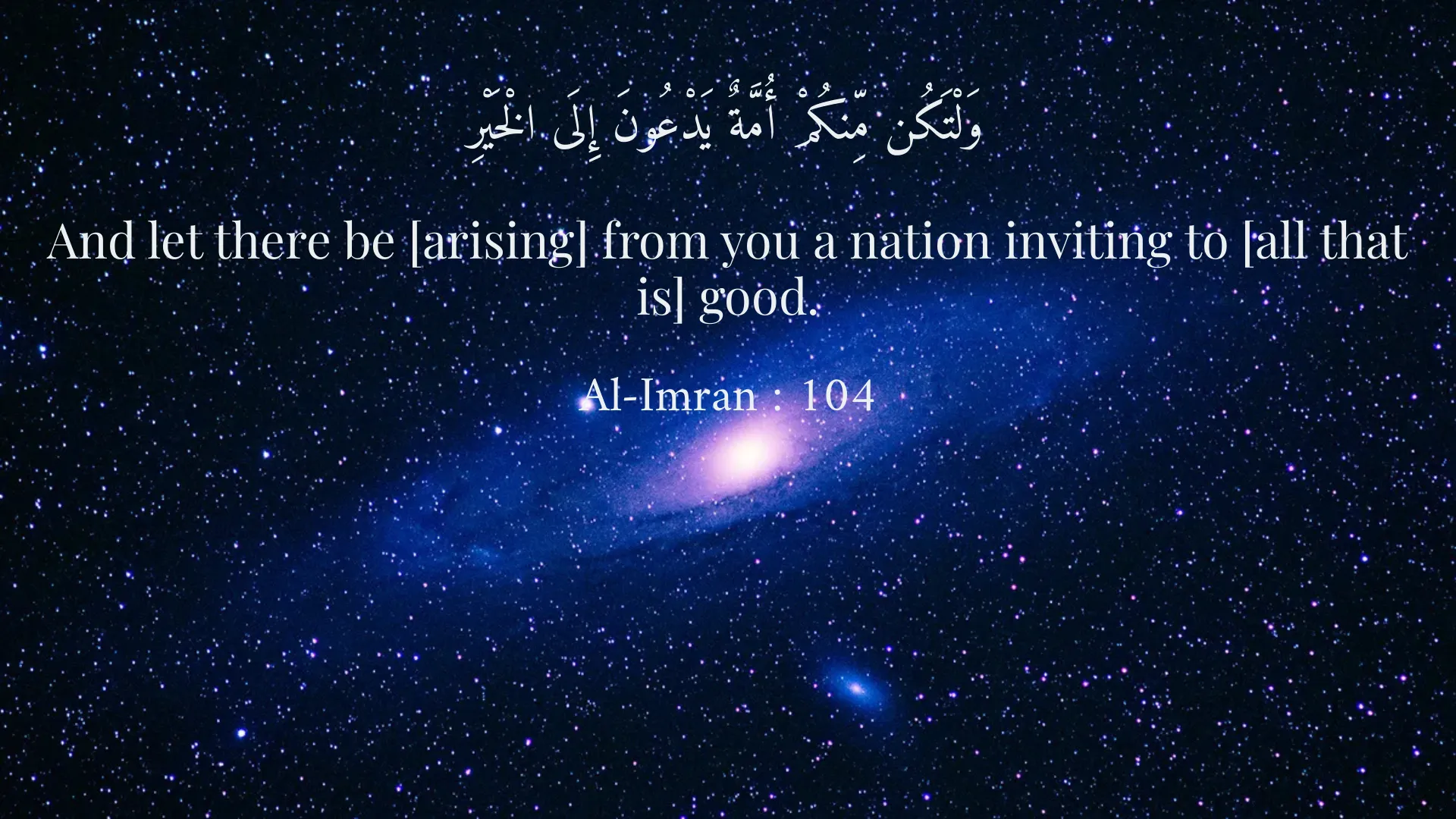
The issue of morality without religion is a significant topic that has been discussed and analyzed across various societies. The concept of morality, defined as the differentiation of intentions, decisions, and actions between those that are distinguished as proper or good and those that are improper or bad, often raises the question of its origins and sustainment. Are moral principles an inherent part of human nature, or are they instilled through religious teachings and societal norms? This issue sparks debate across various cultural, philosophical, and academic circles. One perspective holds that religion serves as the foundation for moral standards. The Holy Quran, regarded as the verbatim word of God by Muslims, explicitly addresses matters of ethics and human behavior, emphasizing the importance of virtuous and commendable conduct. Unlike secular ethics, which may vary from culture to culture, religious morality often proposes a universal set of principles derived from divine authority. Many religious adherents believe that divine instruction provides the ultimate framework for understanding right from wrong. For instance, the Quran outlines these moral principles through various verses, providing believers with guidance on how to lead a virtuous life. In Surah Al-Imran, verse 104, it states: 'And let there be [arising] from you a nation inviting to [all that is] good.' This verse emphasizes the calling towards goodness and virtue, suggesting that moral conduct is not merely an individual responsibility but a collective one as well. It illustrates the significant role that religious duty plays in shaping ethical standards within a community. According to this view, morality is fundamentally tied to performing good deeds and avoiding behaviors deemed evil, which are often defined within religious texts. Therefore, in religious communities, moral values are perceived not as arbitrary but as essential tenets that uphold social harmony and spiritual fulfillment. However, it is increasingly acknowledged in philosophical and sociological discourse that moral principles can exist independently of religious beliefs. Secular ethics, which encompass a range of philosophical thought, argue that ethical behavior can be achieved without religious guidance, relying instead on reason, empathy, and social contracts. Thinkers such as Immanuel Kant, John Stuart Mill, and more contemporary philosophers provide frameworks for ethical behavior that do not rely on a belief in the divine. For instance, utilitarianism, which promotes actions that maximize happiness or well-being for the greatest number of people, offers a secular approach to morality that can lead to virtuous conduct while remaining independent from religious doctrines. Moreover, numerous studies and surveys suggest that many individuals—agnostics, atheists, and secular individuals—adhere to moral standards founded on empathy, social responsibility, and a collective understanding of what promotes human welfare. The recognition of human rights, the principles of justice, and the advocacy for equity in various societies have often arisen from secular philosophies, reflecting a shared human experience rather than a reliance on religious texts alone. This recognition emphasizes a crucial point; individuals can develop strong moral compasses grounded in humanistic values rather than solely upon religious practices. Nevertheless, while it is argued that morality can be established without religion, the relationship between the two warrants further exploration. Religion can significantly deepen and solidify ethical behaviors by providing guidance and direction to individuals. Belief in a higher power brings an added layer of accountability; religious teachings often come with consequences—both spiritually and socially—bringing individuals to adhere more strictly to moral standards. For example, scriptures often outline moral failures with an impending sense of judgement or metaphysical repercussions, which can incentivize moral behavior in believers more effectively than secular consequences. Furthermore, religious narratives foster a sense of community and shared identity that can motivate individuals to act ethically. Acts of charity, kindness, and moral courage frequently stem from a profound sense of duty or commitment to a belief system that emphasizes these traits as virtues. Additionally, religious groups often engage in communal support and collective morality, reinforcing these ethical behaviors through shared participation and dialogue about moral issues. Such environments provide social reinforcement, which can help maintain consistent moral behaviors within the community. To conclude, the interaction between morality and religion represents a dynamic relationship that varies widely across different societies. While the foundational moral principles might exhibit independence from religious underpinnings, religion plays an essential role in nurturing and promoting ethical behavior. It acts as a facilitator that enhances these principles and prevents their deviation by providing believers with a structured understanding and community reinforcement of what is considered right and wrong. Therefore, while individuals may find the capacity for ethical conduct outside of the religious realm, the profound influence of religion in expressing and preserving moral standards cannot be understated, asserting its significance in the cultivation of virtuous communities. In exploring the rich tapestry of ethical thought, one recognizes that the essence of morality transcends the simplicity of being tethered strictly to religious doctrine, inviting a broader and more inclusive understanding of what it means to lead a moral life. The conversation around morality thus continues to evolve, beckoning ongoing reflection, inquiry, and dialogue as we navigate the intricate landscape of ethical behavior in contemporary society.
Related Verses
وَلْتَكُن مِّنكُمْ أُمَّةٌ يَدْعُونَ إِلَى الْخَيْرِ
And let there be [arising] from you a nation inviting to [all that is] good.
Al-Imran : 104
Short Story
Once upon a time, a man lived in a village who was strongly opposed to any form of religion. He spent all day debating with others about how morality could exist without religion. However, over time, through the good deeds he performed, he realized within himself that humanity inherently leans towards kindness and morality. Eventually, with some introspection, he came to the conclusion that ethics always resonate from the innate goodness of humans, and religion merely strengthens it.