Quranic Answer
The Holy Quran, the sacred text of Islam, serves as a guiding framework for the moral and ethical conduct of believers. Among its many teachings, a recurring theme is the emphasis on overlooking the faults of others and practicing forgiveness. These two moral principles are presented not just as acts of kindness, but as essential tenets that individuals should embody in their dealings with one another. The implications of such teachings are profound, affecting both individual behavior and the overall health of communities. This article seeks to explore the significance of these principles as highlighted in various verses of the Quran, particularly focusing on Surah An-Nur and Surah Al-Imran, while also considering practical implications and the broader message of compassion and empathy in Islamic teachings. In Surah An-Nur, verse 22, Allah advises the believers with a poignant reminder to practice forgiveness and to be gentle in their judgments towards one another. The verse states, “Let not those among you who are blessed with bounty and ease swear not to give to their relatives and the needy and the immigrants in the cause of Allah; and let them pardon and overlook. Would you not like that Allah should forgive you? And Allah is Forgiving and Merciful.” This verse encapsulates a crucial aspect of Islamic morality: the belief that overlooking the faults of others aligns with experiencing God's grace and mercy. Such teachings reinforce the idea that forgiveness is not merely an act toward others, but a conscious reminder to oneself of the compassion that Allah extends to humanity. The Quran advocates that true faith is demonstrated through acts of mercy, and this particularly includes the simple yet profound act of forgiving and pardoning. Believers are encouraged to forge stronger bonds within their communities by embracing forgiveness. By doing so, they not only foster an environment of mutual support and understanding but also draw themselves closer to Allah, who embodies the greatest mercy and compassion. This notion of interconnectedness through forgiveness is essential in promoting harmony within the fabric of the Muslim community. In Surah Al-Imran, verse 134, Allah describes the characteristics of those who are favored by Him: “And those who spend in ease and in hardship and who restrain anger and who pardon the people - and Allah loves the doers of good.” This verse not only highlights the significance of charitable giving but places equal importance on controlling one's anger and exercising forgiveness towards others. The ability to pardon others, especially in difficult circumstances, is portrayed as a metric of faith and personal integrity. Here, the act of overlooking others’ mistakes is coupled with the moral imperative to support one another during both flourishing and challenging times. The notion that forgiving others enhances one’s relationship with God emphasizes a reciprocal relationship between divine mercy and human conduct. The Quran's myriad references to forgiveness and compassion illustrate that forgiveness is a divine quality that followers should strive to emulate. When believers embrace the act of overlooking faults, they exhibit qualities of compassion and understanding that are crucial in nurturing personal and communal relationships. Moreover, in Surah Al-Mujadila, verse 22, Allah commands believers to embody love and empathy. This verse states, “Indeed, those who believe in Allah and the Last Day will not make the believers feel in the least of their own right; and they will show love and affection for them.” The emphasis on love further reinforces the message that overlooking the faults of others is rooted deeply in a foundation of understanding, empathy, and genuine care. In an increasingly divided world, these teachings serve as a beacon reminding believers to focus on the commonalities that bind them rather than the perceived differences that can create discord. In interpreting these verses, it becomes clear that the Quran compels its followers to engage with one another meaningfully, lifting the burden of grievances while fostering an atmosphere of acceptance. The failure to forgive and escalate conflicts can lead to a toxic environment, contrasting sharply with the principles of compassion, unity, and understanding emphasized throughout Islamic teachings. Through the lens of these verses, having a forgiving heart can transform individuals and communities alike, facilitating healing and cooperation. The rewards of forgiving others extend beyond spiritual fulfillment; they also bring about significant psychological and emotional benefits. The act of letting go of grudges can lead to improved mental health, reduced stress, and increased overall happiness. When individuals harbor resentment and anger, they often carry these burdens without realizing the toll it takes on their well-being. Conversely, choosing to forgive liberates individuals from these negative emotions and contributes to a more peaceful and harmonious existence. Therefore, the act of overlooking others' faults is not only a moral obligation but also pivotal for personal well-being. To implement these teachings in daily life requires dedication and practice. Believers can begin by acknowledging their shortcomings and recognizing that everyone possesses flaws. This perspective nurtures a sense of humility that is foundational in fostering forgiveness. Additionally, engaging in community-building activities where forgiveness is both practiced and encouraged can serve as practical steps in creating a culture centered around compassion. The teachings of the Quran regarding forgiveness and overlooking others’ flaws resonate deeply across various aspects of life. They encourage individuals to strive for higher moral and ethical standards while simultaneously embodying love, empathy, and understanding. By forgiving others, believers not only emulate divine attributes but also cultivate a supportive community that celebrates humanity’s shared experiences of imperfection. Thus, nurturing the values of forgiveness and empathy will continue to strengthen communal bonds while bringing believers closer to the essence of their faith. In conclusion, the Holy Quran places significant emphasis on tolerating the faults of others and embracing forgiveness as central tenets of faith. Through the examples set in Surah An-Nur, Surah Al-Imran, and Surah Al-Mujadila, believers are reminded that overlooking mistakes is not merely an act of kindness, but rather an expression of deep faith and spirituality. Engagement with these teachings can foster personal growth, strengthen communal ties, and enhance the overall moral fabric of society. The journey of forgiveness and compassion is indeed a reflection of the values that lie at the heart of Islam, encouraging believers to collectively strive toward a state of peace and understanding.
Related Verses
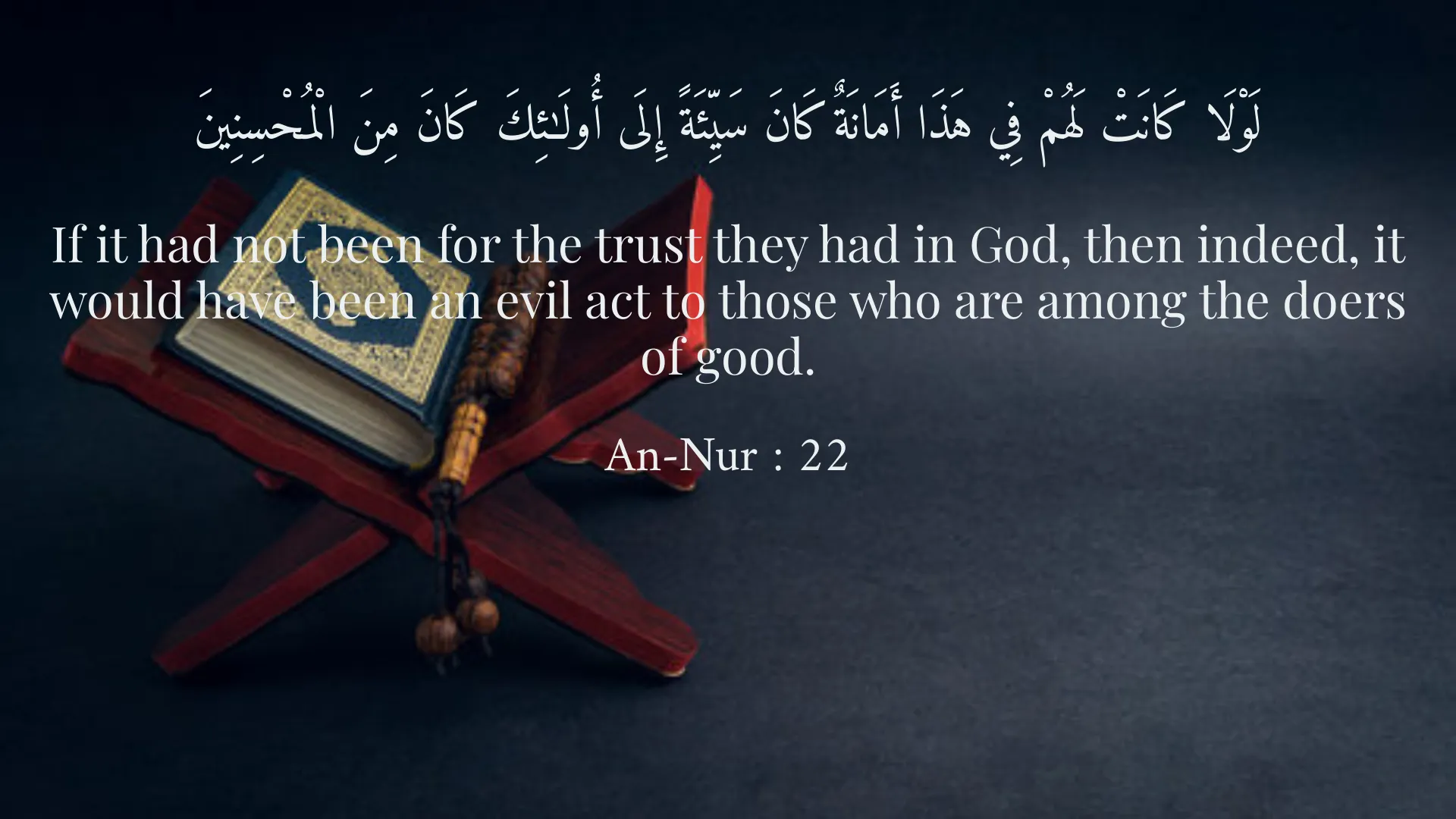
لَوْلَا كَانَتْ لَهُمْ فِي هَذَا أَمَانَةٌ كَانَ سَيِّئَةً إِلَى أُولَـٰئِكَ كَانَ مِنَ الْمُحْسِنِينَ
If it had not been for the trust they had in God, then indeed, it would have been an evil act to those who are among the doers of good.
An-Nur : 22
وَالَّذِينَ يُنفِقُونَ فِي السَّرَّاءِ وَالضَّرَّاءِ وَالْكَاظِمِينَ الْغَيْظَ وَالْعَافِينَ عَنِ النَّاسِ ۗ وَاللَّهُ يُحِبُّ الْمُحْسِنِينَ
And those who spend in ease and in hardship and who restrain anger and who pardon the people - and Allah loves the doers of good.
Al-Imran : 134
إِنَّمَا يَرْفَعُ اللَّهُ الَّذِينَ آمَنُوا مِنكُمْ وَالَّذِينَ أُوتُوا الْعِلْمَ دَرَجَاتٍ ۗ وَاللَّهُ خَبِيرٌ بِمَا تَعْمَلُونَ
Indeed, Allah will raise those who have believed among you and those who were given knowledge by degrees. And Allah is Acquainted with what you do.
Al-Mujadila : 22
Short Story
One day, a young man named Ali was walking down a street. He noticed two people fighting. Instead of joining them or walking away, he decided to calm them down. Ali spoke to them with kindness and reminded them that overlooking one another and forgiving is a sign of greatness and faith. With his words, the flames of dispute were extinguished, and they both apologized to each other. Ali thought to himself that if we could all help each other in life and overlook each other's faults, the world would be a better place.