Quranic Answer
In the Holy Quran, patience (Sabr) is not just an incidental quality but a fundamental virtue that is emphasized repeatedly throughout various verses. It is recognized as one of the cornerstones of a believer's character, reflecting a significant part of one's faith and spirituality. Patience is the ability to endure difficulties, face hardships, and withstand adversity with steadfastness and poise. The role of patience is multifaceted, impacting individuals not just on a personal level but extending to social and spiritual dimensions as well. This article aims to explore the concept of patience as presented in the Quran, drawing comparisons with silence and elucidating why patience is ultimately superior when navigating the challenges of life. To begin with, patience is taught in the Quran as a means of securing Allah's favor and guidance. The verse from Surah Al-Baqarah, verse 153, is particularly significant: 'Indeed, Allah is with the patient.' This statement is profound, suggesting that those who exercise patience are not only showing resilience against the tribulations they face but are also aligned with divine support. This connection underscores the moral and spiritual importance of patience, highlighting its pivotal role in attaining serenity and divine assistance. Patience can often manifest in myriad situations—be it in facing personal losses, professional setbacks, or societal injustices. The Quran urges believers to endure these tribulations with fortitude, reinforcing the notion that enduring difficulty is a prerequisite for personal growth and spiritual elevation. In Surah Al-Anfal, verse 46, Allah advises believers to remain steadfast and united during times of adversity, indicating that patience is not only a personal attribute but a communal strength. In comparing patience to silence, it is crucial to delineate the distinct aspects of both concepts. Silence can be understood as the mere absence of speech; it may occur during moments of contemplation or reflection. Some may interpret silence as a coping mechanism, a way to retreat from troublesome situations. However, this self-imposed quietude can often be misconstrued as an inability to engage with or confront problems. In contrast, patience is inherently active. It requires engagement with difficult circumstances and a willingness to face and surmount challenges. Therefore, while silence may provide temporary relief, it lacks the proactive quality inherent in true patience. Furthermore, silence can sometimes lead to feelings of isolation and a lack of participation in community or society at large. People can retreat into silence due to embarrassment, fear, or confusion. In contrast, patience fosters connection and solidarity among individuals who are enduring similar struggles. When individuals exhibit patience within a community, it encourages others to unite and collectively overcome obstacles. The act of supporting one another through trials can enhance communal bonds, as opposed to silence, which may drive wedges between individuals and hinder collective resilience. Patience also plays a crucial role in personal development and growth. It imbues individuals with the ability to think critically and act wisely in challenging situations. A patient person is often more level-headed and better equipped to make thoughtful decisions under pressure. The Quran extols the virtue of patience as a means of fortifying one's character, arguing that those who learn to wait, reflect, and endure are better positioned to succeed in their endeavors. In the long-term, patience cultivates resilience, ultimately leading to success and fulfillment in life. Various hadiths corroborate this notion, illustrating how the Prophetic traditions emphasize patience as a hallmark of true faith and perseverance. Moreover, the Quran consistently contrasts the outcome of the patient with that of the impatient. Instantly succumbing to difficulties can result in rash decisions and existential despair, frequently prompting feelings of hopelessness. Yet Allah promises abundant rewards and relief to those who practice patience. For instance, in Surah Az-Zumar, verse 10, believers who remain patient are assured of the best rewards from Allah, thereby reinforcing the idea that patience is an investment in their spiritual journey. Unlike mere silence that may lead to inaction, patience promotes constructive engagement with reality, arming individuals with the mindset to tackle life's challenges head-on. In times of trouble, the Quran encourages collective patience manifested through community strength. This idea has practical implications in contemporary society, where challenges such as social injustices, economic hardships, and personal crises are prevalent. Patience becomes an essential tool that allows society to deal with these problems holistically. Community initiatives can arise from collective patience, where individuals support each other in resisting adversity, ultimately working towards common goals. To conclude, patience and silence, while they may seem comparable in certain contexts, serve fundamentally different roles in our lives. Silence can be a moment of respite, but it often lacks the power of action and engagement that is embodied in patience. In the teachings of the Quran, patience stands as a divine commandment, a necessary attribute for those seeking to navigate the complexities of life while remaining aligned with their faith. By embracing patience, individuals not only cultivate their internal fortitude but also contribute positively to their communities, embodying virtues that resonate deeply within the collective human experience. It is thus clear that the journey through life's challenges is best walked with patience—a trait that stands as a testament to the resilience of the human spirit.
Related Verses
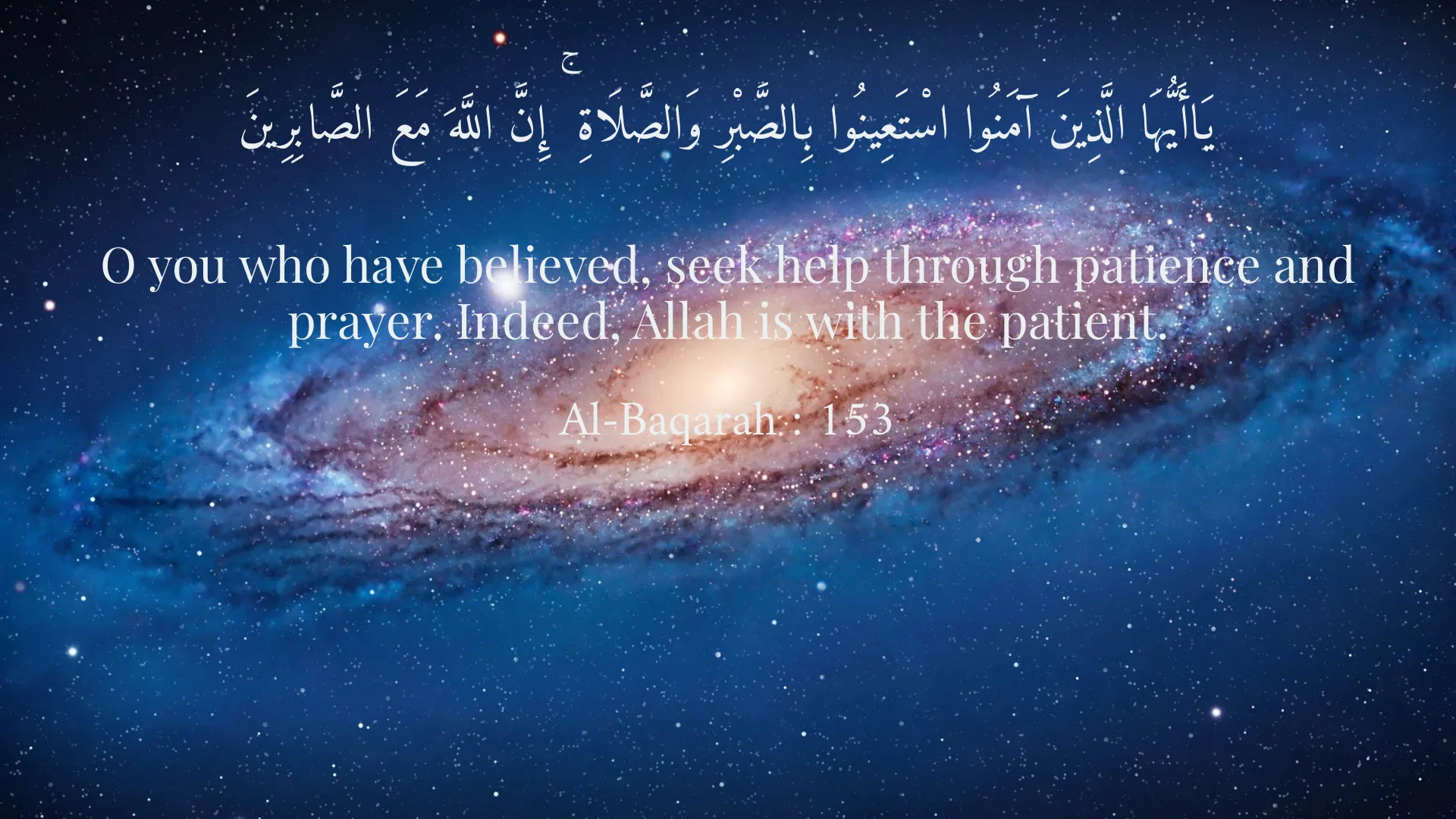
يَاأَيُّهَا الَّذِينَ آمَنُوا اسْتَعِينُوا بِالصَّبْرِ وَالصَّلَاةِ ۚ إِنَّ اللَّهَ مَعَ الصَّابِرِينَ
O you who have believed, seek help through patience and prayer. Indeed, Allah is with the patient.
Al-Baqarah : 153
وَلَا تَكُونُوا كَالَّذِينَ خَرَجُوا مِنْ دِيَارِهِمْ بَطَرًا وَرِيَاءَ النَّاسِ وَيَصُدُّونَ عَنْ سَبيلِ اللَّهِ ۚ وَأَحْصَ عَذَابٌ عَظِيمٌ
And do not be like those who left their homes in arrogance and to show off to the people, turning away from the path of Allah. And Allah is enclosing that which they have earned.
Al-Anfal : 46
إِلَّا مَنْ أَتَى اللَّهَ بِقَلْبٍ سَلِيمٍ
Except for one who comes to Allah with a sound heart.
Maryam : 60
Short Story
Once upon a time, there was a man named Reza who was struggling with many problems in his heart. He knew he had to be patient and stand firm against challenges. One day, while sitting by a river and watching the water, he decided to emphasize his patience and remain silent to calm his thoughts. This silence led him to a deeper understanding of patience and its importance in his life, making him realize that just silence isn’t enough; he needed to act and persevere.