Quranic Answer
Silence is one of the most profound and valuable characteristics in human behavior, often overlooked in a world that emphasizes constant communication. It occupies a unique place in the spectrum of human interactions, conveying as much—if not more—than words themselves. In many cultures and philosophies, silence is revered as a powerful tool for reflection, understanding, and connection. The Holy Quran, too, extols the merits of both silence and speech, reminding individuals of the critical moments that call for each. Within the pages of the Holy Quran, both silence and the act of speaking the truth at the right time serve as essential themes. This duality emphasizes the importance of language, urging individuals to be judicious about their words and the manner in which they express themselves. For instance, in Surah Al-Imran, verse 186, it articulates, 'And if you are patient and conscious of Allah, then indeed, that is of the matters [requiring] determination.' This verse underscores the powerful notion that sometimes, choosing silence is not only an act of restraint but also embodies patience and spiritual piety. Herein lies the understanding that silence can enhance a person's virtue, especially if it serves to prevent sin or maintain the peace and harmony of a community. This perspective leads us to recognize that silence is multifaceted; it isn't merely the absence of sound, but a conscious choice predicated upon context. The Quran highlights this distinction in Surah Al-Mu’minoon, verse 3, where it advises believers to 'remain silent' in situations where their speech could result in harm to themselves or others. This instructs us that silence can indeed be a virtue under specific circumstances—resting in its capacity to avert conflict or protect one's integrity as well as that of others. Contrarily, the text also articulates that silence is not an unqualified virtue. The appropriateness of silence or speech is contingent upon the situation at hand. The Quran does not advocate for silence at all times; rather, it manages a delicate balance between speech and silence, calling individuals to discern when each is warranted. In Surah Al-Muzzammil, Allah commands His Prophet with the words, 'O you who wraps himself [in clothing].' This directive urges the Prophet to vocalize truth, defend himself, and express important truths when necessary. It emphasizes that while silence can be a noble choice, speaking out at opportune moments can itself constitute another form of virtue—one that demands courage and conviction. Such teachings reflect broader philosophical thoughts on silence and its applications. Silence can signify contemplation, allowing an individual to process complex thoughts and feelings. In the sphere of interpersonal relationships, silence can foster deeper understanding and connection. By choosing silence over hasty words, individuals in conflict can provide space for reflection, avoiding escalating tensions and fostering resolution. Numerous psychological studies support these notions. Research indicates that silence can enhance emotional intelligence and interpersonal communication skills. In group dynamics, the strategic use of silence can lead to increased collaboration and mutual respect, giving individuals the time to process ideas before speaking. Furthermore, the therapeutic benefits of silence are widely recognized in psychological practices, where moments of silence serve as a means to encourage self-reflection and mindfulness. Nevertheless, the cultural context also plays a significant role in how silence is perceived. In some societies, silence conveys respect and thoughtfulness, while in others, it might be interpreted as disengagement or disapproval. The Quran’s guidance contextualizes silence as a complex instrument, necessitating an understanding of its implications based on the setting and audience. This cultural sensitivity emphasizes that both speech and silence must align with social mores and expectations, forming an integral part of effective communication. Silence is not merely a passive absence; rather, it can actively contribute to moral and ethical frameworks. For many, the ability to remain silent in the face of provocation speaks volumes about one's character and discipline. It illustrates self-control, a trait admired across various teachings, including the Quranic texts. The moral implications of silence further highlight its role in ethical decision-making, where silence can be a means of demonstrating respect for others’ viewpoints, especially in discussions where feelings are fraught. The Quran serves as a timeless guide in navigating these complex issues surrounding silence and speech. Individuals are encouraged to reflect on the consequences that arise from both actions—considering the weight and impact of their spoken words while equally valuing moments of silence. This philosophical balance helps pave the way toward interpersonal harmony and spiritual fulfillment. Ultimately, as seekers of truth and ambiguity, humans must learn to embrace both silence and speech as complementary aspects of our communication repertoire. The teachings of the Quran not only enlighten us on when to speak and when to be silent but also call for worshippers to cultivate an inner awareness that balances both elements. Each moment spent in silence or uttering the truth carries the potential for growth, understanding, and connection—enhancing the moral fabric of society. In conclusion, silence is neither an unequivocal virtue nor a vice; it is a nuanced characteristic that can yield significant results depending on the circumstances in which it is applied. Through the lens of the Quran, we are reminded that our choices in communication reflect our awareness of self, others, and the greater community. Silence, therefore, holds an esteemed place alongside speech, both vital in their shared journey towards wisdom and understanding.
Related Verses
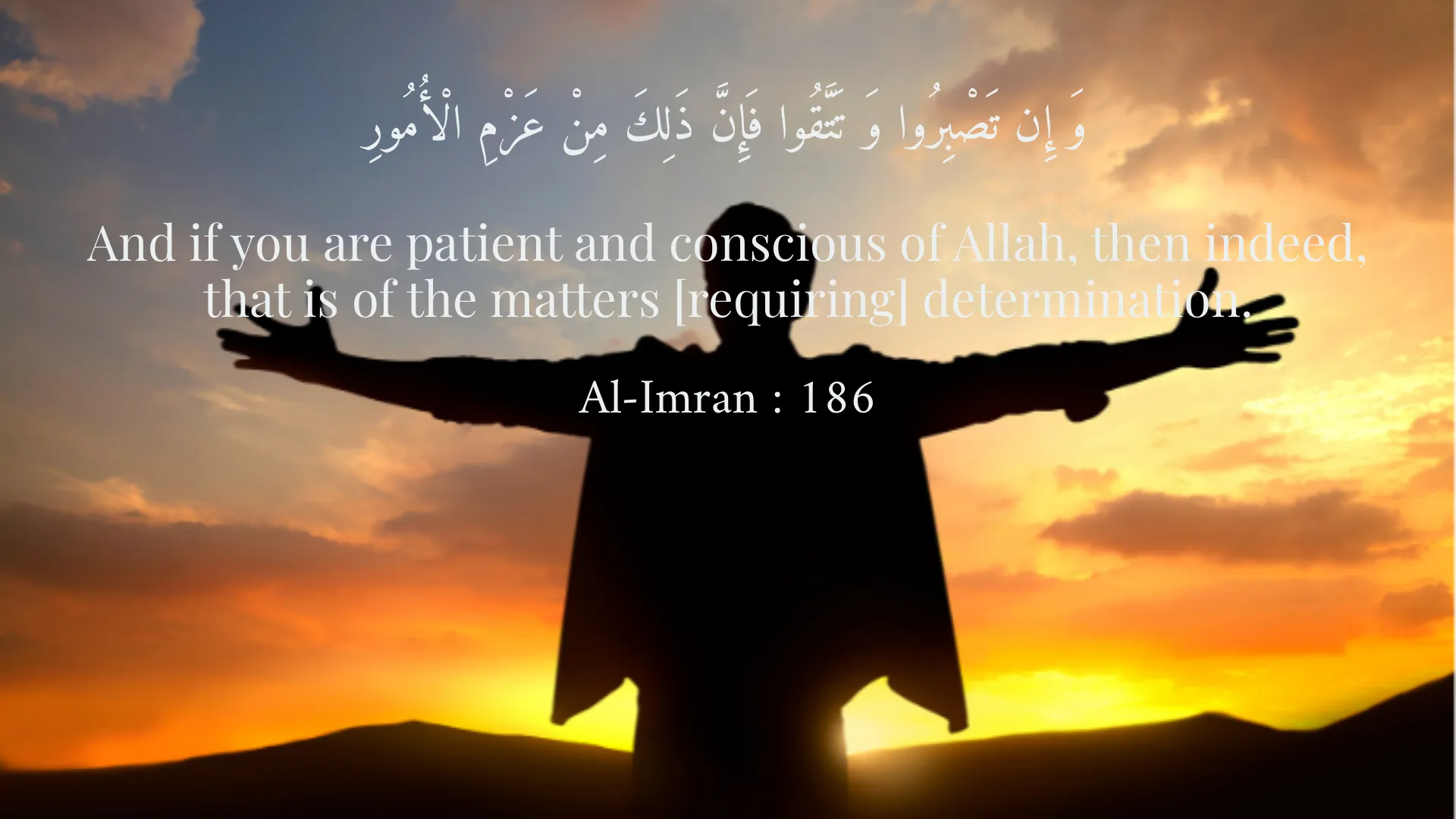
وَ إِن تَصْبِرُوا وَ تَتَّقُوا فَإِنَّ ذَلِكَ مِنْ عَزْمِ الْأُمُورِ
And if you are patient and conscious of Allah, then indeed, that is of the matters [requiring] determination.
Al-Imran : 186
وَ الَّذِينَ هُمْ عَنِ اللَّغْوِ مُعْرِضُونَ
And they who turn away from ill speech.
Al-Mu’minoon : 3
يَا أَيُّهَا الْمُزَّمِّلُ
O you who wraps himself [in clothing]!
Al-Muzzammil : 1
Short Story
One day, a man named Ehsan sat in silence amidst ignorance from those around him and reflected on unanswered questions. He learned that sometimes silence could hold a significant secret. He applied this experience and, during gatherings, instead of talking frequently, he paid more attention to others and their insightful words, which resulted in greater peace and understanding of situations.