Quranic Answer
In the Holy Quran, silence and wise speech are repeatedly emphasized as essential components of leading a righteous life. This article aims to explore various verses from the Quran that highlight the importance of choosing one's words with care and the virtue of silence in many circumstances. The wisdom found in these verses serves as a guide for believers; it teaches them the significance of thoughtfulness in speech and the power of restraint when dealing with challenging situations. One of the most revealing verses regarding the necessity of wisdom in speech comes from Surah Luqman, verse 19, where Allah advises individuals to 'choose their path with wisdom and foresight.' This profound guideline suggests that the journey of life requires careful navigation, and words can often be a considerable determinant of one's path. In many scenarios, remaining silent can be more beneficial than speaking out of turn or without careful consideration. This reflection points towards the idea that wisdom is not merely about what one says, but also about understanding when it is better to remain silent. In our modern society, the impact of thoughtless speech can have widespread repercussions, leading to misunderstandings, conflicts, and even friendships severed. The Quran recognizes this human propensity for error in speech and encourages us to curb our impulses. By taking the time to think before we speak, we can avoid many pitfalls that may arise from hasty or thoughtless comments. This teaching urges believers to weigh their words carefully and to reflect on their implications in various circumstances so as not to contribute to disharmony or strife. Another significant verse that further develops this theme is found in Surah Al-Hujurat, verse 12, which states, 'O you who have believed, avoid much [negative] assumption. Indeed, some assumption is sin. And do not spy or backbite each other.' This verse reminds believers about the importance of maintaining dignity both for themselves and for others. The advice against backbiting and indulging in negative assumptions speaks volumes about the power of words to impact relationships and communities. In an age where gossip travels rapidly through social media and friends, colleagues, and even family members often find themselves discussing one another privately, the Quran's teachings provide a vital blueprint for communication. Silence, in this context, becomes a protective measure that prevents further harm to individuals and communities. Instead of engaging in conversation that could lead to the destruction of reputations or the inflation of conflicts, believers are challenged to practice self-control and restraint. Moreover, the verse also implies a need to be mindful of assumptions and judgments made about others. Often, silence provides the opportunity for understanding rather than misunderstanding, promoting harmony, trust, and strong bonds within a community. By holding back from making judgments in the form of gossip or unwarranted criticism, believers can cultivate a more peaceful coexistence, ultimately reflecting the values that are central to Islam. In addition to these verses, Surah Al-Furqan, verse 63 talks about the 'servants of the Most Merciful' who engage with others 'in humility and calmness.' This notion of humility further strengthens the argument for silence or restrained speech in certain situations. The behavior encouraged by this verse implies interacting with others in a manner that fosters dignity, respect, and tranquility. Here, silence can serve as a tool for peace, helping to de-escalate tensions and promote understanding. The willingness to listen, rather than speak unnecessarily, fosters better interpersonal communication and reflects a strong sense of community. This verse encourages believers to emulate qualities associated with the servants of Allah, which involves not only humility but also the ability to control their impulses toward agitated speech. The emphasis on calmness encapsulates the need for a composed approach when faced with conflict or emotional situations. Often, responding in silence allows for reflection, gathering thoughts, and preventing hasty reactions that could potentially exacerbate the issue at hand. Ultimately, the teachings found within the Quran highlight that silence can be an essential act of wisdom when navigating the complexities of human relationships. The challenge lies not only in knowing when to speak but also in recognizing when silence can be the most powerful response. Silence allows time for thought and discernment, leading to better outcomes in communication and interpersonal relationships. Moreover, recognizing the power of silence is a sign of emotional intelligence and maturity. In conclusion, the verses from the Quran provide clear guidance about the significance of silence and rhetoric grounded in wisdom. By choosing to remain silent at times, believers can better withstand the trials and challenges that life presents. The wisdom that stems from silence can help maintain dignity, foster harmony, and promote collective understanding, ultimately leading to peaceful coexistence. As we navigate our lives, let us remember the importance of wise speech and the profound impact that meaningful silence can hold.
Related Verses
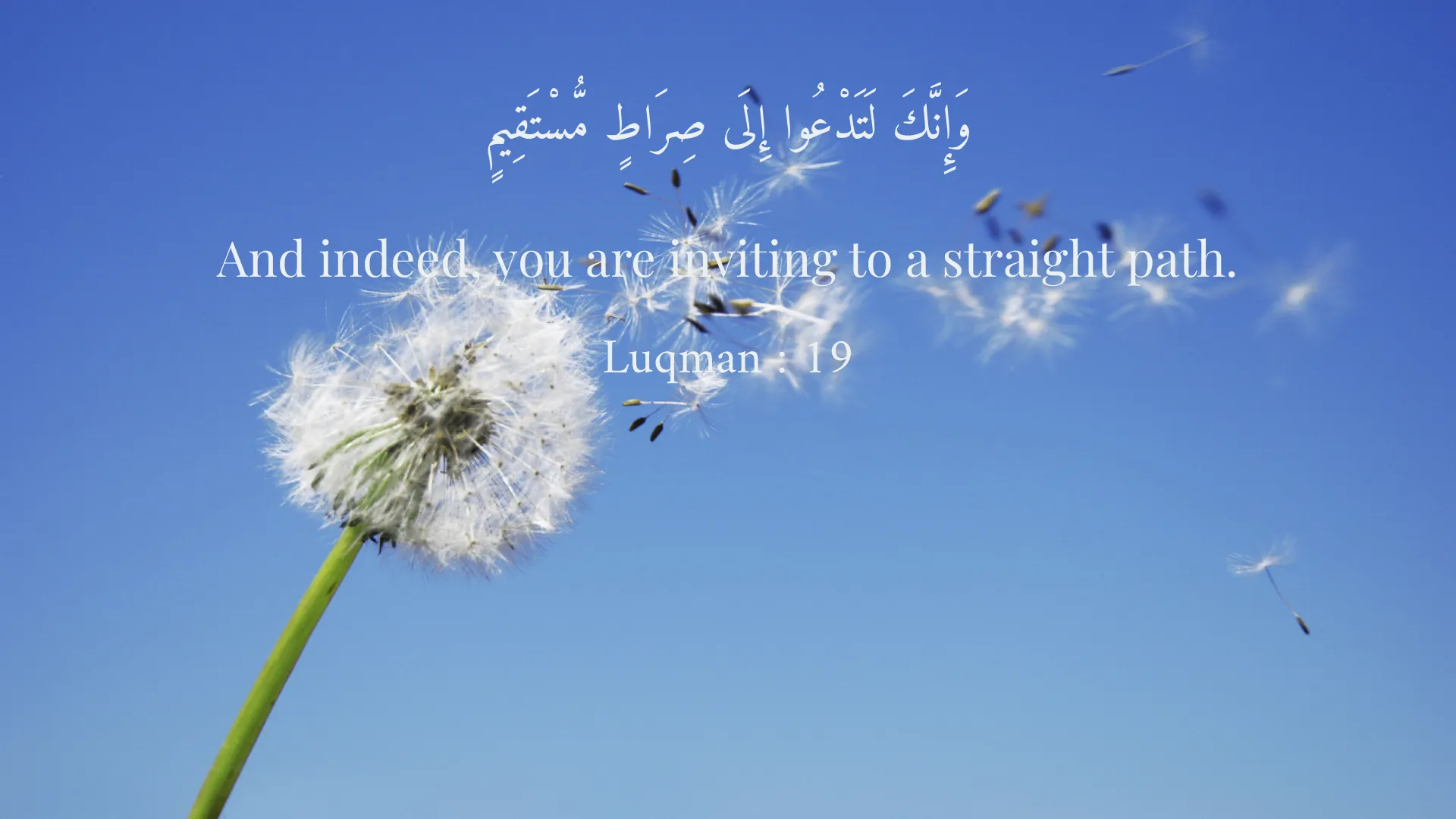
وَإِنَّكَ لَتَدْعُوا إِلَى صِرَاطٍ مُّسْتَقِيمٍ
And indeed, you are inviting to a straight path.
Luqman : 19
يَا أَيُّهَا الَّذِينَ آمَنُوا اجْتَنِبُوا كَثِيرًا مِّنَ الظَّنِّ إِنَّ بَعْضَ الظَّنِّ إِثْمٌ وَلَا تَجَسَّسُوا وَلَا يَغْتَب بَّعْضُكُمْ بَعْضًا.
O you who have believed, avoid much [negative] assumption. Indeed, some assumption is sin. And do not spy or backbite each other.
Al-Hujurat : 12
وَعِبَادُ الرَّحْمَنِ الَّذِينَ يَمْشُونَ عَلَى الْأَرْضِ هَوْنًا وَإِذَا خَاطَبَهُمُ الْجَاهِلُونَ قَالُوا سَلَامًا.
And the servants of the Most Merciful are those who walk upon the earth easily, and when the ignorant address them [harshly], they say [words of] peace.
Al-Furqan : 63
Short Story
One day, in a village, a young man named Ali faced many problems due to his sharp tongue. He decided to listen to the sermons of a scholar in the village. That scholar reminded him with verses from the Quran to be mindful of his speech and to remain silent at times, as his words could hurt others. Ali, learning this lesson, gradually allowed himself to be quiet and his life began to change peacefully. He could now connect more with others and build new friendships.