Quranic Answer
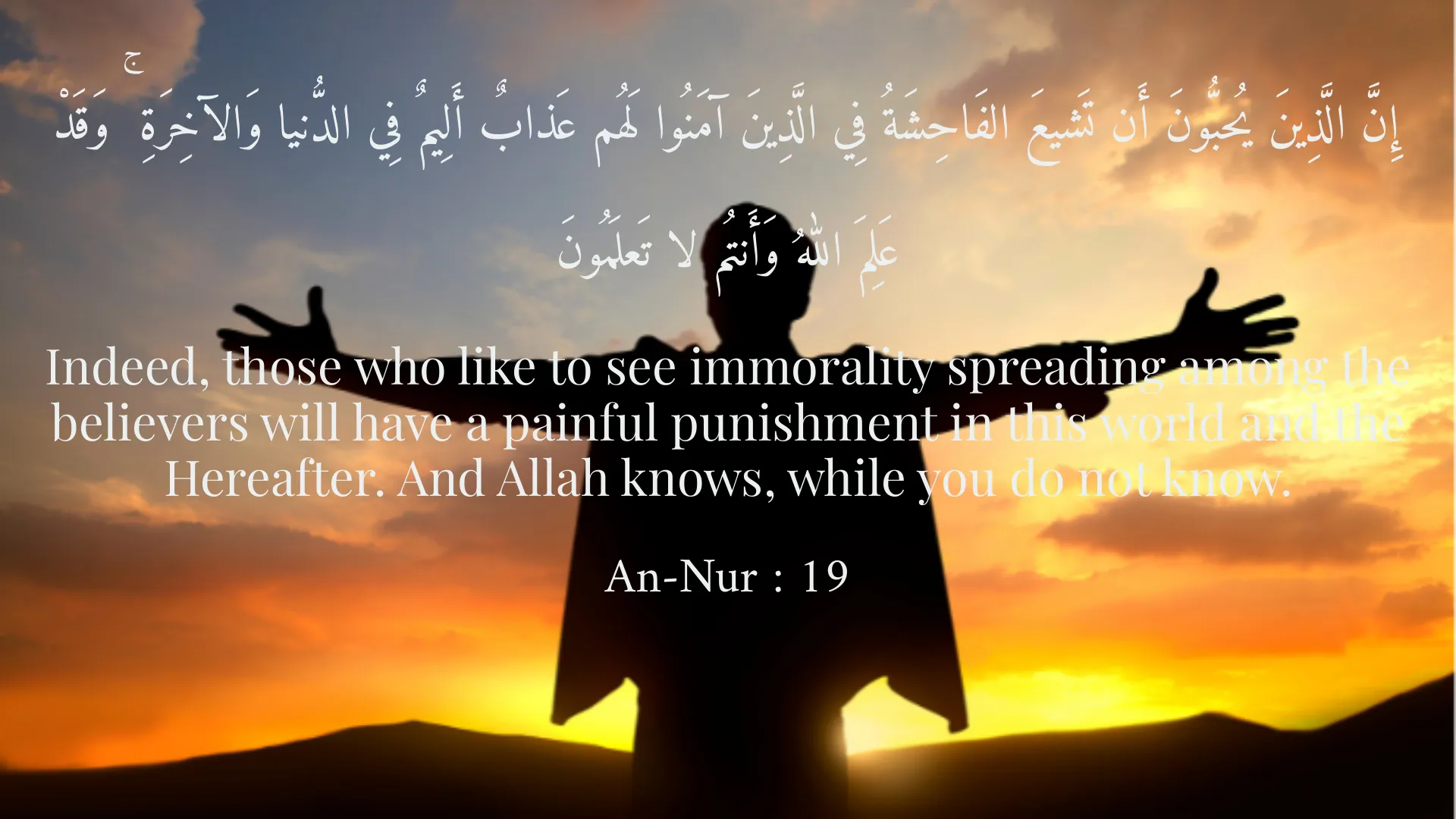
In the Holy Quran, the significance of speaking with knowledge and understanding is a crucial theme that is clearly articulated throughout its verses. To speak without knowledge is not just a trivial matter; it is a serious transgression that can have far-reaching consequences. Allah, in His infinite wisdom, has provided us with guidelines that emphasize the importance of being well-informed before articulating any form of speech. The implications of speaking frivolously resonate through various verses, serving as a reminder of our responsibility as believers to engage in thoughtful and informed communication. One of the significant verses that delineate this principle is found in Surah An-Nur (24:19), where Allah states: "Indeed, those who like to see immorality spreading among the believers will have a painful punishment in this world and the Hereafter. And Allah knows, while you do not know." This verse serves as a potent admonition against the dangers of misinformation and the consequences that accompany it. The spreading of falsehood or engaging in negative discourse can lead to a community's moral degradation, impacting both individual believers and the larger society. The phrase "Allah knows, while you do not know" encapsulates the essence of humility we must carry in our speech. It acknowledges that our understanding is limited, and thus, we should be cautious and refrain from speaking on matters we do not fully grasp. In a similar vein, Surah Al-Hujurat (49:12) further illustrates the Quranic stance on speech and communication. Allah advises: "O you who have believed, avoid much [negative] assumption. Indeed, some assumption is sin. And do not spy or backbite each other." This verse not only warns against making assumptions that can lead to sin but also categorically prohibits the acts of spying and backbiting, which are often underpinned by speculation and ignorance. The directive to avoid making unfounded assumptions emphasizes the need for knowledge and evidence in our speech. Instead of engaging in gossip or speaking ill of others, believers are called to practice caution and integrity. These teachings from the Quran present a larger discourse about the ethics of communication. The emphasis on knowledge signifies that speech should arise from informed perspectives and a clear understanding of the subject matter. When we communicate, especially regarding sensitive issues or the character of individuals, it is imperative to ensure that our statements are anchored in truth and not baseless conjecture. This principle is vital not only for individual reputation but for the communal harmony that exists within the Muslim ummah. Furthermore, the Quranic perspective invites us to reflect on the importance of constructive dialogue. When we communicate, our intentions should lean towards fostering understanding and compassion rather than division and strife. Speaking out of ignorance or haste can lead not only to personal regrets but can also spiral into community conflicts that are challenging to mend. Hence, the teachings of the Quran urge believers to cultivate a habit of listening, learning, and then speaking. By emphasizing knowledge before speech, the Quran outlines a pathway to develop a more harmonious society where speech is employed as a tool for good, cultivated through wisdom and knowledge. In the contemporary context, where misinformation can spread rapidly through social media and instant messaging, the Quranic warnings take on even greater relevance. Individuals are often tempted to share their opinions and observations without fully understanding the implications of their statements. The viral nature of online communication means that a careless remark can have widespread repercussions. Therefore, it is incumbent upon us, as Muslims, to abide by these principles in our daily lives. We should practice discernment and reflect on our motivations before we speak. Are we addressing issues with sufficient knowledge? Are our statements tempered with compassion and a desire for understanding? Engaging in a culture of thoughtful communication not only aligns us with the values emphasized in the Quran but also enhances our interactions and contributes positively to our communities. Moreover, communal accountability is another layer added to the necessity of informed speech. It is vital for individuals within a community to hold one another accountable for their words. Encouraging discussions that are grounded in knowledge promotes a culture of respect and reverence for the truth. This accountability can manifest in educational initiatives, where communities create spaces for informed discussions about current events, ethical dilemmas, and religious interpretations. By fostering environments where thoughtful discourse is prioritized, we can cultivate a society that resonates with the teachings of the Quran. In conclusion, the Quran unequivocally condemns speaking without knowledge, presenting it as a serious flaw that carries both immediate and eternal ramifications. The verses outlined remind us of the great responsibility we bear in our speech, urging us to engage thoughtfully and with full comprehension. By practicing informed dialogue, fostering community accountability, and remaining dedicated to lifelong learning, we adhere to the principles set forth in the Quran. Only then can we aspire to contribute positively to our surroundings, ensuring that our words reflect our commitment to truth and understanding, ultimately forging stronger bonds within our communities and beyond.
Related Verses
إِنَّ الَّذِينَ يُحبُّونَ أَن تَشيعَ الفَاحِشَةُ فِي الَّذِينَ آمَنُوا لَهُم عَذابٌ أَلِيمٌ فِي الدُّنيا وَالآخِرَةِ ۚ وَقَدْ عَلِمَ اللّٰهُ وَأَنتُم لا تَعلَمُونَ
Indeed, those who like to see immorality spreading among the believers will have a painful punishment in this world and the Hereafter. And Allah knows, while you do not know.
An-Nur : 19
يَا أَيُّهَا الَّذِينَ آمَنُوا اجْتَنِبُوا كَثِيرًا مِّنَ الظَّنِّ إِنَّ بَعْضَ الظَّنِّ إِثمٌ ۖ وَلَا تَجَسَّسُوا وَلَا يَغْتَب بَّعضُكُم بَعْضًا
O you who have believed, avoid much [negative] assumption. Indeed, some assumption is sin. And do not spy or backbite each other.
Al-Hujurat : 12
Short Story
One day in a village, some people were gossiping about one another without being sure of the truth of their claims. Suddenly, one of the village leaders said, 'Do you know that speaking about others without knowledge can lead to serious consequences?' He then recited verses from the Quran reminding them to avoid speech without knowledge. His words made a significant impact, and everyone decided to be more mindful and ensure they were informed before speaking in the future.