Quranic Answer
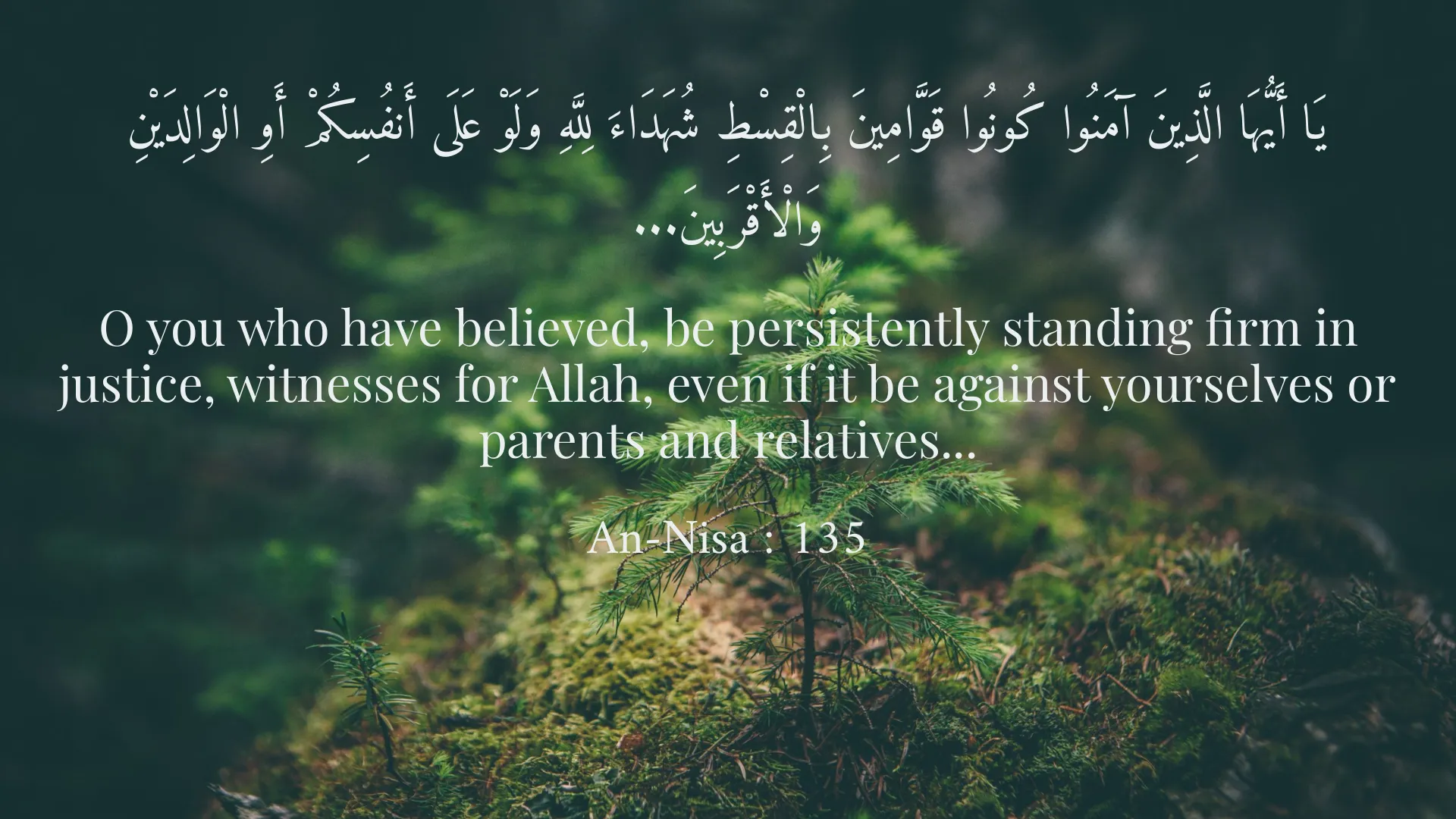
In the Holy Quran, Allah places a profound emphasis on the importance of standing against oppression and tyranny, cultivating a sense of responsibility within believers to confront injustice, regardless of the personal costs involved. This tenet is not merely a call to action but a divine directive that reverberates through the hearts and minds of Muslims around the world. The teachings of Islam underscore the significance of justice as a fundamental principle that governs both individual behavior and societal interactions. This article delves deeper into the Quranic verses that encapsulate this ethos and explores their implications in the context of modern society. One of the most powerful verses that encapsulate this call to action is found in Surah An-Nisa, verse 135. Allah commands, 'O you who have believed, be persistently standing firm in justice, witnesses for Allah, even if it be against yourselves or parents and relatives...' This verse serves as a clarion call for believers to uphold fairness and become vigilant witnesses to the truth. It underscores the necessity of being steadfast in justice, even when it requires individuals to stand against their own interests or those of their loved ones. Such a command highlights the primacy of justice over personal relationships, urging believers to prioritize truth and righteousness in their judgments. This verse reveals a profound aspect of human behavior: the temptation to remain silent or complicit in the face of injustice, especially when it involves those we are close to, such as family and friends. This societal tendency can often lead to a culture of support for wrongdoing, where principles of honesty and fairness are compromised. However, the Quran challenges this narrative, urging individuals to reflect on their responsibilities as witnesses who must advocate for justice, regardless of personal sacrifices that may arise. By doing so, Allah seeks to instill a sense of moral courage within believers, positioning them as agents of change in their communities. In addition to encouraging individual action, the Quran expands on the collective responsibility to uphold justice. Surah Al-Ma'idah, verse 8, serves as another poignant reminder: 'O you who have believed, be persistently standing firm for justice, witnesses for Allah...' This scripture calls upon the entire community of believers to take a stand against injustice and work towards establishing a just society. The phrase 'standing firm' suggests a need for resilience and unwavering commitment to truth, advocating for fairness that transcends personal bias and societal pressures. Such a commitment is crucial in addressing systemic oppression, as it compels individuals to engage actively in the pursuit of justice. The Quran makes it unequivocally clear that indifference to injustice is not an option. When witnessing any form of oppression, whether it be racial discrimination, economic inequality, or social injustice, Muslims are tasked with utilizing all available resources and strength to combat that injustice. This may involve speaking out against powerful entities, advocating for marginalized voices, or participating in peaceful protests. In essence, enabling a culture of justice requires active participation, where believers embody the principles taught in the Quran wholeheartedly. Moreover, the notion of justice in the Quran extends beyond mere legalities; it is fundamentally tied to human dignity and rights. The rights of the oppressed are safeguarded not only as a legal obligation but as a sacred trust that every believer must uphold. By doing so, Muslims fulfill a double duty: one that is not only religious in nature but also deeply rooted in human morality. The communal aspect of justice necessitates a supportive environment where individuals are encouraged to speak out, report injustices, and contribute to solutions that foster equity and fairness. The emphasis on justice in the Quran also invites believers to engage in self-reflection. To stand firm for justice is to cultivate a deep sense of self-awareness and introspection, examining one’s own biases and preconceptions. This inward look is vital, as it enables individuals to comprehend the implications of their actions and decisions within a broader societal context. By understanding the nuances of justice and injustice, believers can better articulate their stance and advocate for the voiceless. In contemporary society, the need for justice remains as pertinent as ever. Around the globe, millions face oppression and discrimination. The humanitarian crises stemming from war, poverty, and inequality necessitate a robust response from individuals who are guided by the principles of their faith. To adequately confront these challenges, Muslims must not only reflect on Quranic teachings but also translate them into tangible actions that promote justice on both local and global scales. Indeed, by engaging with the messages of the Quran, believers are reminded of their purpose and responsibility. Upholding justice becomes an act of worship and an essential expression of faith. Additionally, this message resonates powerfully across cultural and religious boundaries, encouraging interfaith dialogue and collaboration in the face of injustice. Through collective action and a shared commitment to the values of justice, individuals from diverse backgrounds can unite in their pursuit of a more equitable world. Ultimately, the Quran provides a timeless guide for those who aspire to make a difference in their communities and beyond. The verses that speak to justice compel believers to assess their roles as active participants in the preservation of human dignity and the promotion of ethical conduct. Standing against oppression and tyranny is not merely an individual obligation; it is a collective mission that defines the moral fabric of society. As Muslims pursue justice with unwavering resolve, they not only fulfill their religious duties but also contribute to a legacy of compassion, equity, and righteousness that transcends generations. In conclusion, the Quran serves as a beacon of justice, calling upon believers to rise against oppression and advocate for the rights of the oppressed. By activating the power of these verses in their daily lives, Muslims can champion fairness and be a voice for those who are silenced. This call to justice is not only a testament to one's faith but also a shared human obligation to strive for a world where every individual, irrespective of their background, can experience dignity, respect, and justice.
Related Verses
يَا أَيُّهَا الَّذِينَ آمَنُوا كُونُوا قَوَّامِينَ بِالْقِسْطِ شُهَدَاءَ لِلَّهِ وَلَوْ عَلَى أَنفُسِكُمْ أَوِ الْوَالِدَيْنِ وَالْأَقْرَبِينَ...
O you who have believed, be persistently standing firm in justice, witnesses for Allah, even if it be against yourselves or parents and relatives...
An-Nisa : 135
يَا أَيُّهَا الَّذِينَ آمَنُوا كُونُوا قَوَّامِينَ لِلَّهِ شُهَدَاءَ بِالْقِسْطِ...
O you who have believed, be persistently standing firm for justice, witnesses for Allah...
Al-Ma'idah : 8
Short Story
Once upon a time in a village, there lived a man named Ali. He was a responsible individual committed to the rights of others. One day, oppression occurred in the village, and many remained silent. However, Ali decided to raise his voice instead of being silent and to defend the oppressed. He spoke up in front of the people and made the oppressors understand that tyranny would never last. Gradually, the villagers joined him, and together they managed to eradicate the oppression. This event remained in everyone's heart and demonstrated that silence in the face of oppression is never right.