Quranic Answer
The concept of intention is a pivotal theme in the Holy Quran, inviting believers to reflect deeply on the underlying motivations driving their actions. Throughout various verses, the Quran indicates that intentions hold a considerable significance that transcends the mere performance of actions. This emphasis on intention aligns with the Islamic belief that good and evil are determined by one's state of mind and resolve behind actions, rather than the actions alone. In this article, we will explore the crucial integration of intention in faith, particularly derived from verses in the Holy Quran, including Surah Al-Baqarah (2:225) and Surah Al-Ma'idah (5:16), and Hadiths that elucidate the importance of one’s inner motives. To begin with, Surah Al-Baqarah, verse 225 highlights a profound truth about God’s justice and mercy: 'Allah does not burden a soul beyond that it can bear.' This statement indicates that God's accountability aligns with human capacities, taking into consideration the complexities of human intention and struggle. This verse serves as a cornerstone for Islamic ethics, suggesting that a person’s intention, especially in the context of sin, is paramount in determining their spiritual state. When one harbors an intention to commit a sin, it creates a unique scenario. According to Islamic teachings, the transition from intention to action is what solidifies sinfulness. For instance, if someone resolves to engage in a sinful act but does not proceed with it, the intention alone is not liable for sin. This understanding aligns with a prophetic hadith wherein it is stated: 'Actions are judged by intentions.' This perspective emphasizes that the pursuit of righteousness starts from the heart's motivations. However, it also signals a warning about the dangers of nurturing harmful intentions, as maintaining a mindset focused on wrongdoing can lead a person down a path of sinful actions. The idea that intentions are paramount in assessing moral standing is further substantiated in the Quranic verse from Surah Al-Ma'idah: 'And whoever commits a sin or wrongdoing and then blames it on a free person, has certainly borne falsehood and a manifest sin.' This verse conveys that individuals have the responsibility to own their choices, emphasizing honesty and accountability in moral conduct. Here, the Quran illustrates that to commit a sin and deflect blame onto others is an act of falsehood, rejecting the notion of personal accountability. This deep interconnection between intention and action leads us to a significant understanding of free will in Islam. Believers are called to exercise their free will with consciousness, evaluating whether their intentions lead them toward righteousness or sinfulness. The internal landscape of one’s heart plays a critical role in shaping behavior and cultivating virtues. Caution is advised for those who veer towards sinful intentions. Islamic teachings suggest that nurturing a wrongful intention, even without acting upon it, can signify a spiritual decline. Moreover, a recurring evil or sinful intention might pave the way to actual sinful actions. Thus, individuals are encouraged to regularly assess their intentions and safeguard their hearts from harboring thoughts leading to negative consequences. Additionally, the teachings of Islam guide individuals to refrain from comparing their intentions with others. Each person has a unique journey in life, and their intentions are nested in personal experiences and insights. Therefore, it is essential to cultivate a positive mindset and nurture benevolent intentions. The Prophet Muhammad (peace be upon him) advised followers to repeatedly purify their intentions, reminding them that sincerity and genuine motives lead to the acceptance of their actions in the sight of God. In addressing the complexities of intentions, one may inquire how to effectively cultivate positive intentions and distance oneself from generating sinful thoughts. A spiritual inventory through self-reflection is deemed essential. Regular self-evaluation can promote awareness of one’s intentions, motivating one to redirect negative thoughts toward constructive aspirations. This sacred task requires discipline and grace as individuals navigate their spiritual journeys. Moreover, engaging in acts of worship and service can foster pure intentions. By performing good deeds and community service, individuals are not only responding to their calling but are also enriching their hearts with altruism. This helps fortify their intentions, ensuring that they remain aligned with God’s will. Through consistent personal growth, believers can learn to align their intentions with righteous outcomes. This alignment does not mean achieving perfection but striving for continuous improvement in one's intentions and actions. To support this endeavor, the Quran and Hadith provide guidance, exemplifying the importance of steadfastness in pursuing ethical behavior rooted in good intentions. The ramifications of intentions extend beyond personal growth; they create a ripple effect in communities and societies. A collective movement driven by sincere intentions can lead to monumental changes, enhancing individual and collective experiences of moral integrity, community solidarity, and spiritual upliftment. Thus, the essence of intention is foundational not just to personal integrity, but to the nurturing of a harmonious society built on mutual respect and goodwill. In conclusion, the importance of intention in the Holy Quran discusses the nuances of human nature and the moral implications of one's inner thoughts. With verses such as those in Surah Al-Baqarah and Surah Al-Ma'idah, along with prophetic teachings, the significance of intention cannot be understated. The call to foster self-awareness, undertake ethical introspection, and purify one’s inner motivations presents a rich framework for personal and spiritual development. Through intentional living, grounded in the principles of accountability and honesty, individuals pave the way for a fulfilling relationship with God and a constructive influence on the world around them.
Related Verses
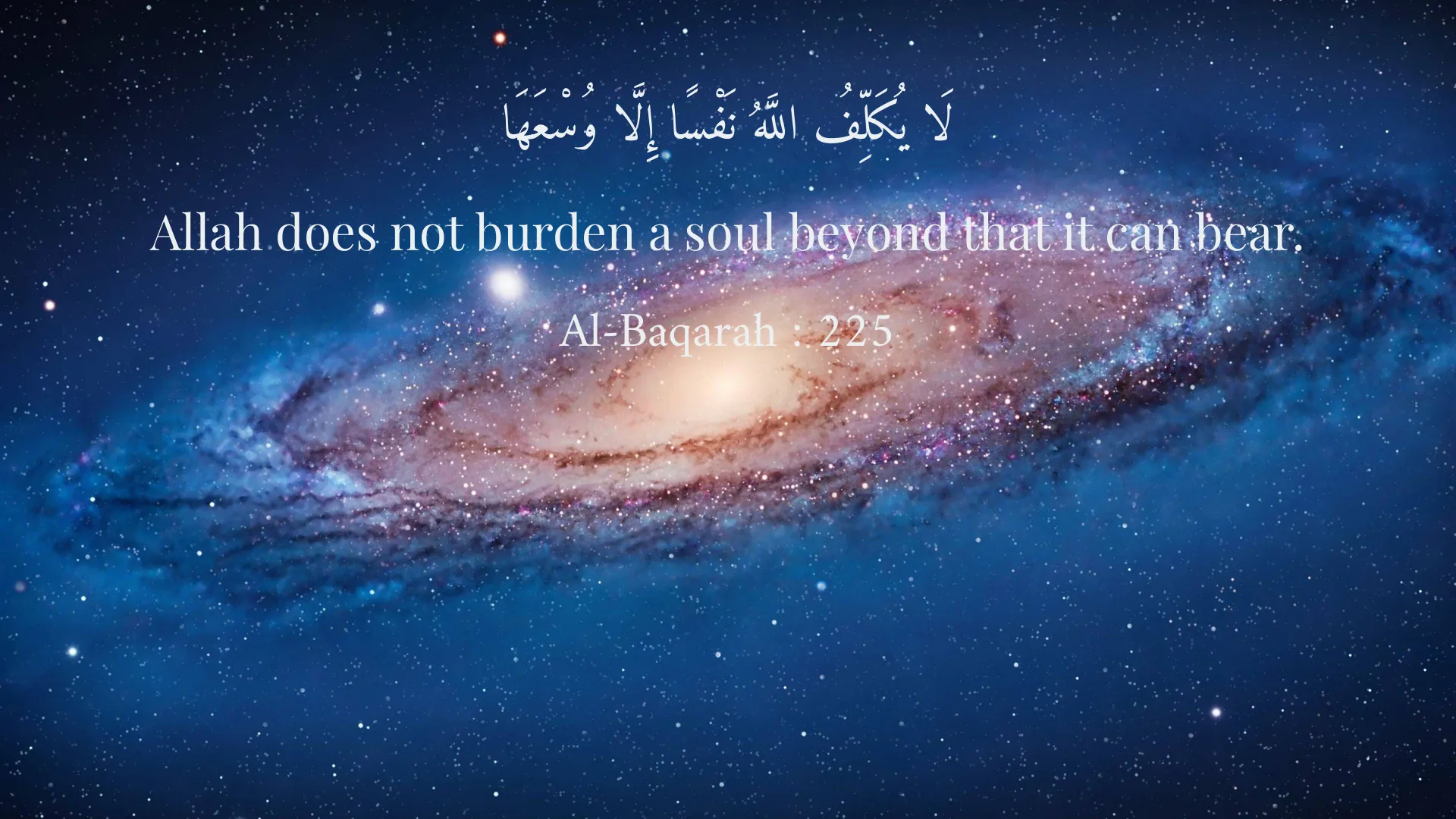
لَا يُكَلِّفُ اللَّهُ نَفْسًا إِلَّا وُسْعَهَا
Allah does not burden a soul beyond that it can bear.
Al-Baqarah : 225
وَمَن يَكْسِبْ خَطِيئَةً أَوْ إِثْمًا ثُمَّ يَرْمِ بِهَاذِ إِلَى بَرِيءَ فَقَدِ احْتَمَلَ بُهْتَانًۭا وَإِثْمًا مُبِينًا
And whoever commits a sin or wrongdoing and then blames it on a free person, has certainly borne falsehood and a manifest sin.
Al-Ma'idah : 16
Short Story
Once upon a time, there was a young man named Farhad who mistakenly intended to sin. He felt within himself that he could slip away from some restrictions and was drawn towards sins. However, a verse from the Quran came to his mind and held him back from this path. Farhad decided to turn to prayer and self-improvement, steering clear from the intention and desire to sin. Thus, he not only prevented himself from falling into sin but also gained a positive mindset and a joyful spirit.