Quranic Answer
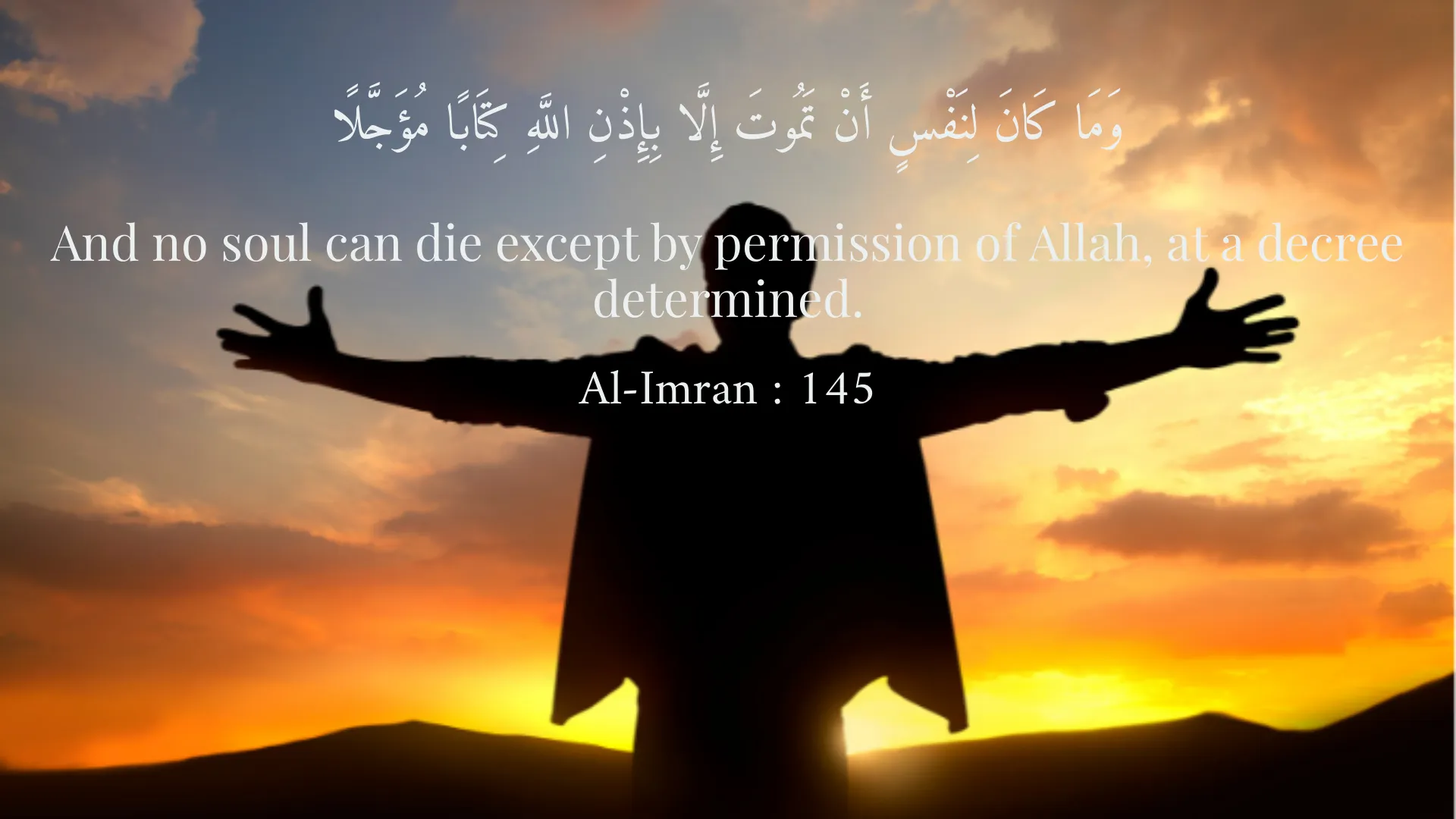
The Holy Quran, the central religious text of Islam, comprises a multitude of verses that elucidate the significance of good deeds and the consequent rewards. This sacred scripture serves as a guiding light, directing believers on the path of righteousness and moral conduct. Among the many themes contained within its verses is that of divine justice and the rewards for those who engage in virtuous actions. Notably, Surah Al-Imran, verse 145, presents an essential view on life, death, and the overarching control of Allah upon these experiences. It states, "And no soul can die except by permission of Allah, at a decree determined." This verse encapsulates the idea that every aspect of our existence is intertwined with Allah’s will. Just as lives are determined by divine decree, so too are the consequences of our actions—both good and bad. This profound declaration emphasizes that good deeds are not just temporal actions; they hold value that transcends the earthly realm. The weight of every righteous act carries an implication that resonates throughout one's life and beyond. A common misconception is that the effects of one's actions are limited to the social or immediate context. However, the Quran illustrates that they reverberate in a more expansive sense, impacting our spirits, our communities, and molding our destinies according to divine wisdom. Continuing on the theme of rewards, Surah Al-An'am, verse 160, further solidifies the notion of divine generosity concerning good deeds: "And whoever brings a good deed will receive tenfold the like thereof." This verse powerfully conveys that the rewards for good actions are magnified, suggesting a system of divine reciprocity wherein our efforts are rewarded beyond our expectations. It hints at not only material or tangible rewards but also intangible benefits such as tranquility, satisfaction, and the affection of others. The spiritual and emotional fruits of good deeds manifest as a sense of peace, inner joy, and the establishment of loving relationships with fellow beings. Therefore, it can be inferred that Allah's promise extends into the lives of believers, offering them a glimpse of the rewards that await in the hereafter, while also fortifying their lives on Earth. Moreover, the Quran also elaborates on the implications of righteous living concerning the afterlife. In Surah Al-Mu’minun, verse 11, it clearly states, "They are the inheritors." This verse serves as a reminder that the righteous will inherit great rewards in the life beyond the grave. It paints a prophetic picture of heavenly paradises for those who nurture faith and commit to righteous deeds. In essence, these inheritances are not merely rewards but the fruits of a lifetime of righteous choices; they are the culmination of an unwavering commitment to goodness amid life's challenges and trials. The perspective offered in the Quran concerning good deeds is both optimistic and motivational. It urges believers to engage actively in acts of kindness, charity, and compassion, presenting such deeds as fundamental pillars for attaining success in life and beyond. The assurance of multiplied rewards fosters a robust societal fabric where individuals are encouraged to uplift one another and contribute positively to the community. This interconnectedness propels individuals to not only seek personal fulfillment but also aspire to enhance the lives of those around them through meaningful actions. In a world that often appears driven by selfishness and materialism, the Quran's message is revitalizing. It serves as a reminder that the accumulation of wealth and status is transient. Instead, the true measure of success is intertwined with the kindness one shows to others and the goodness one engenders in the world. The Quranic emphasis on accountability and rewards reaffirms the belief that every action counts, positing that nothing we do goes unnoticed or unrewarded, spiritually or materially. The consequences of negligence or wrongdoing are also critical components of this discourse. The Quran makes it clear that alongside the promise of rewards, there exists a warning of repercussions for those who deviate from the path of righteousness. The moral and ethical teachings within the Quran steer humanity away from malicious actions, urging individuals to remain vigilant in their conduct. This dual aspect of reward and punishment serves to remind believers that every choice carries weight, influencing one's standing in the eyes of Allah both in this life and in the hereafter. In conclusion, the Quran offers a comprehensive view on the significance of good deeds and their consequences, reiterating that they pave the way for both immediate and eternal rewards. It encourages believers to engage actively in virtuous actions, nurturing a spirit of altruism and community support. The messages contained within its verses remind us that life, death, and moral accountability are intricately linked to divine will. Thus, as we traverse through life, the imperative to act justly and kindly not only enriches our own existence but also contributes to a larger, divine tapestry of attributes that reflects Allah's justice and mercy. Such understanding inspires a sense of purpose; it encourages believers to leave a legacy of goodness that resonates beyond their lifetime, making the pursuit of good deeds a spiritual journey towards eternal reward.
Related Verses
وَمَا كَانَ لِنَفْسٍ أَنْ تَمُوتَ إِلَّا بِإِذْنِ اللَّهِ كِتَابًا مُؤَجَّلًا
And no soul can die except by permission of Allah, at a decree determined.
Al-Imran : 145
وَمَن جَاءَ بِالْحَسَنَةِ فَلَهُ عَشْرُ أَمْثَالِهَا
And whoever brings a good deed will receive tenfold the like thereof.
Al-An'am : 160
أُو۟لَـٰئِكَ هُمُ الْوَارِثُونَ
They are the inheritors.
Al-Mu'minun : 11
Short Story
One day, a man named Hasan was walking and reflecting on the deeds he had done. He thought, 'Why don't my good deeds always seem to get rewarded?' But after a while, he recalled the verses of the Quran and decided to do another good deed. He helped one of his neighbors, and suddenly he felt that his life was changing. He thought to himself, 'Perhaps the rewards of good deeds can also be seen in this world.'