Quranic Answer
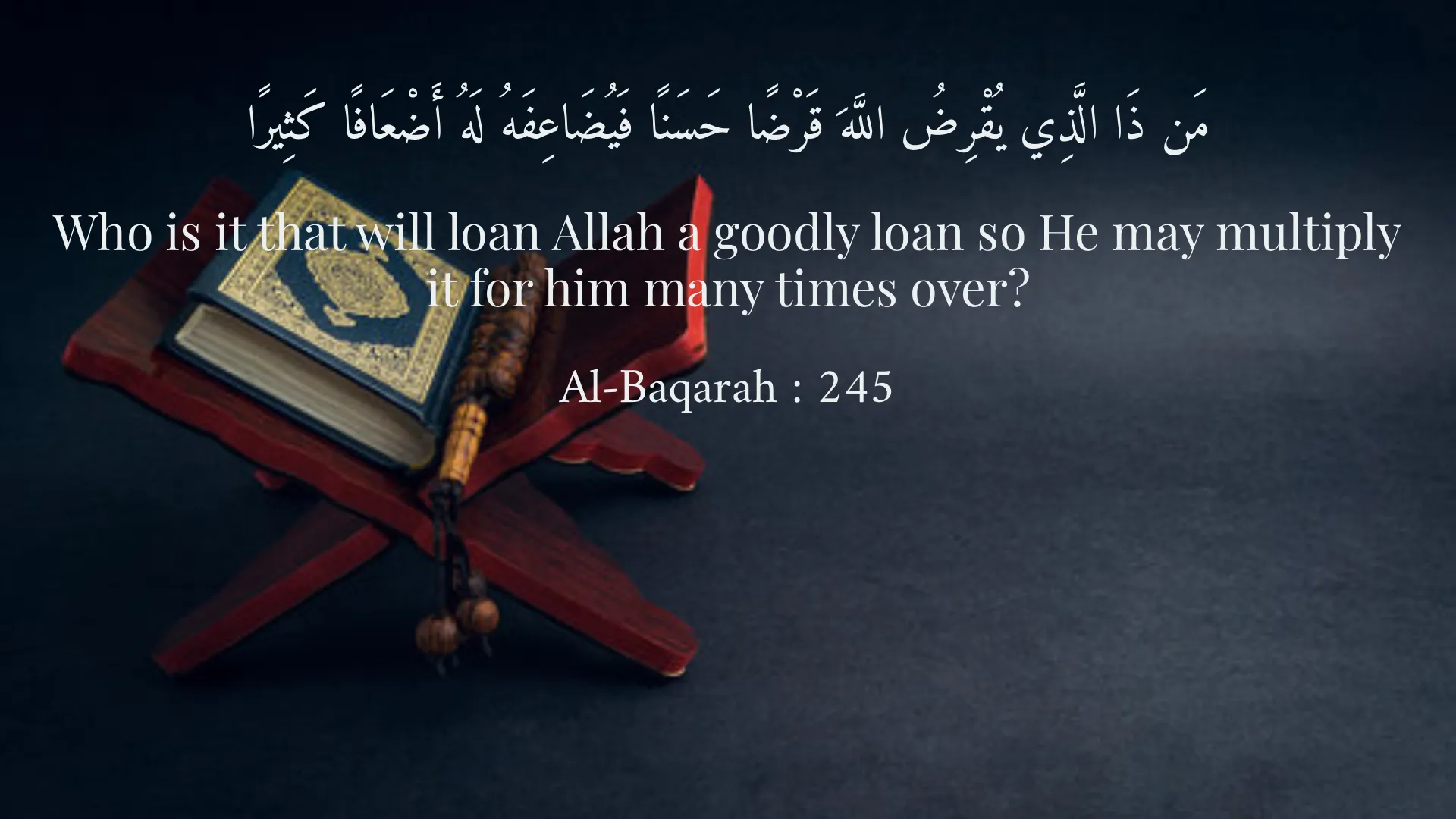
In the Holy Quran, wealth holds a multifaceted meaning interwoven with the concept of God's satisfaction. It is a common misconception among people that wealth serves as a direct indicator of divine favor. However, the Quran teaches us that wealth in itself is not inherently a sign of God's pleasure. Instead, it is our intentions and actions that are more significant in determining our relationship with Allah. One of the prominent verses that encapsulate this understanding is found in Surah Al-Baqarah, verse 245. The verse states, "Who is it that will loan Allah a goodly loan so He may multiply it for him many times over?" This powerful verse implies that the act of giving, particularly when done with the intention of pleasing Allah, is rewarded immensely. When individuals give a 'goodly loan' to Allah, they are essentially engaging in acts of charity and benevolence that reflect their character and devotion. It illustrates that one’s financial resources should be invested in virtuous deeds, and the rewards of such actions are far greater than mere temporal gains. It is also crucial to understand that wealth can sometimes be a test from Allah. A person who possesses a significant amount of wealth may find themselves in a position where they are tempted to indulge in selfishness or materialism, leading them away from spiritual obligations and the appreciation of their blessings. In contrast, those who possess less may exhibit greater levels of gratitude and compassion, frequently sharing what they have with others in need. Such insights reflect a deeper moral and ethical framework that lies at the heart of Islamic teachings. Indeed, the central message is that the measure of one's faith and proximity to Allah is not dictated by wealth; rather, it is the degree of one's generosity, kindness, and commitment to good deeds that count. In Surah Al-Fajr, verses 15 and 16, Allah reminds us of the consequences of our actions when He says that on the Day of Judgment, He will judge His servants based on their deeds rather than their worldly possessions. This assertion serves as a profound reminder that life on Earth is temporary and that the true measure of our existence lies in our moral actions and the positive impact we create. Wealth is not an end in itself; it is a means through which we can serve humanity and fulfill our religious responsibilities. The richness of one’s heart and soul, manifested through good deeds, is far more valuable than simply accumulating material assets. Additionally, Surah Al-Imran, verse 189, provides further insight into the nature of ownership and the ultimate power of Allah. It states, "To Allah belongs the dominion of the heavens and the earth, and Allah is competent over all things." This verse emphasizes the transient nature of worldly wealth and reminds believers that all power and ownership ultimately belong to Allah. Recognizing that Allah is the true possessor of everything dissuades individuals from becoming overly attached to their wealth. Instead, we are encouraged to acknowledge our responsibilities to use our resources wisely and ethically. The Quran enlightens us that wealth should be seen as a tool for welfare, support, and compassion toward others, particularly the less fortunate in society. The idea of ethical distribution of wealth is a recurrent theme in Islam. The principle of Zakat, or obligatory almsgiving, is one of the Five Pillars of Islam and is a clear indication of how wealth should be allocated. This act underscores the importance of social justice and the need to consider the plight of the needy. By redistributing wealth through Zakat and voluntary charity, we move closer to achieving societal equity and promoting a spirit of communal support and solidarity. This fosters harmony within the community and reduces the socio-economic gap that frequently arises from unregulated wealth accumulation. Moreover, the Quran encourages believers to reflect on the notion of humility concerning wealth. A wealthy individual may enjoy many worldly blessings, but this does not guarantee their innocence or righteousness. Instead, Allah emphasizes that reliance and trust must fundamentally be placed in Him rather than one’s financial standing. The abundant wealth can blind a person to the realities around them, leading to arrogance, neglect of spiritual duties, and a lack of empathy toward others. In Islam, humility remains a vital aspect of faith. Acknowledging that all we possess comes from Allah, and will eventually return to Him, cultivates a character that appreciates wealth as a blessing rather than a trophy. It motivates believers to strive toward actions that earn Allah's pleasure and ensure their actions align with spiritual and ethical guidance laid forth in the Quran. In conclusion, the Quran provides a comprehensive understanding of wealth through a spiritual and ethical lens. It reinforces that wealth is not an indicator of divine favor; rather, it serves as a means to perform good deeds, connect with the less fortunate, and demonstrate compassion and justice. The essence of true prosperity lies in the ethical behavior associated with one’s wealth, the inclination toward mercy, and the clarity of one’s intentions. Ultimately, believers are urged to recognize the transient nature of worldly possessions, prioritize their relationship with Allah, and engage in actions that foster community welfare and conscientious stewardship of their resources. In doing so, they pave their path toward a favorable reckoning in the eyes of Allah on the Day of Judgment.
Related Verses
مَن ذَا الَّذِي يُقْرِضُ اللَّهَ قَرْضًا حَسَنًا فَيُضَاعِفَهُ لَهُ أَضْعَافًا كَثِيرًا
Who is it that will loan Allah a goodly loan so He may multiply it for him many times over?
Al-Baqarah : 245
کَلَّا إِنَّ الْإِنسَانَ لَيَطْغَىٰ أَن رَّآهُ اسْتَغْنَىٰ
No! Indeed, man transgresses, because he sees himself self-sufficient.
Al-Fajr : 15
لِلَّهِ مُلْكُ السَّمَاوَاتِ وَالْأَرْضِ وَاللَّهُ عَلَى كُلِّ شَيْءٍ قَدِيرٌ
To Allah belongs the dominion of the heavens and the earth, and Allah is competent over all things.
Al-Imran : 189
Short Story
Once upon a time, a wealthy man was suffering and in distress. Despite having great wealth, he still felt unhappy. One day, he met a sage and asked him, "How can I make God pleased?" The sage replied, "Your wealth cannot be an indicator of God's satisfaction. Help the needy and strive to do good deeds, and then you will find peace within yourself." The man decided to start helping others, and from that day on, he found friendship with God.