Quranic Answer
True love is a profound concept that resonates deeply within human hearts and societies around the globe. In the Islamic context, true love is beautifully articulated in the Quran, emerging as a vital element that not only fosters personal happiness but also cultivates community bonds. It is a love that transcends mere emotions, carrying with it a sense of duty, honor, and connection to the divine. According to Islamic teachings, true love is an enduring feeling built upon strong foundations composed of sincerity, loyalty, and respect. The Quran serves as a guiding light that illuminates the path of love through various teachings and examples. One such instance is found in Surah Al-Imran, verse 31, where Allah presents His Prophet Muhammad (peace be upon him) as the epitome of love and friendship. The verse states: 'Say, If you love Allah, then follow me so Allah will love you.' This powerful declaration reveals that true love requires more than mere words; it necessitates action, dedication, and a firm commitment to following the divine commandments of Allah. The essence of this verse underlines that love is not only a personal journey but also a collective experience marked by obedience to God. Moreover, true love extends beyond the individual realm and manifests itself in the way believers treat others. Kindness, compassion, and respect form the bedrock of one’s interactions with family, friends, and even strangers. In Surah Al-Baqarah, verse 177, the Quran defines righteousness in a broader ethical context. It underscores the idea that righteousness transcends ritualistic practices and hinges on a believer's ability to act with empathy and generosity. The verse highlights: 'Righteousness is not that you turn your faces toward the east or the west, but [true] righteousness is in one who believes in Allah and the Last Day and the Angels and the Book and the Prophets and gives his wealth, in spite of love for it, to relatives, orphans, the needy, the traveler, those who ask [for help], and for freeing slaves.' This passage outlines that love is intimately linked to acts of charity and support for those in need, emphasizing that true love is demonstrated through selfless actions. The Quran further elucidates that true love is motivated by the pursuit of Allah's pleasure. In this sense, it is not a fleeting emotion but a stable, consistent endeavor toward fostering a spirit of mutual care and support among community members. True love manifests itself in the ability to extend compassion towards others, nurturing relationships that are rooted in patience and understanding. As such, love does not only thrive within the walls of interpersonal relationships, such as friendships or family bonds, but also reflects a believer's relationship with their Creator. This selflessness and commitment to the greater good signify that true love promotes well-being not only for individuals but also for society as a whole. The notion of selflessness in love aligns closely with the Islamic principle of Ummah, which emphasizes the importance of community and collective responsibility. In loving and supporting one another, individuals uphold the values of cooperation, solidarity, and kindness, enhancing the social fabric of society. Furthermore, the manifestation of true love is reflected in the way believers observe their duties towards God. A faithful individual expresses love for Allah through worship, obedience, and by following the teachings of the Quran and Sunnah. This relationship is reciprocal; as believers express their devotion to God, they are recipients of divine love and guidance. The attribute of patience, often mentioned in Quranic texts, plays a crucial role in the experience of true love. It teaches believers to show resilience and understanding in the face of challenges, viewing every trial as a means of strengthening their hearts and reinforcing their bond with both God and their fellow beings. In essence, true love as articulated in the Quran is a multidimensional concept. It integrates the love of God, the love of oneself, and the love of others into a coherent framework for living a balanced and fulfilled life. By nurturing this love, Muslims are encouraged not only to better themselves but also to create a positive impact on their surroundings. They are urged to cultivate values such as forgiveness, gratitude, and humility, which enhance personal relationships and contribute to the well-being of society. Through the teachings of the Quran, it becomes evident that love is a powerful force that can transform individuals and communities alike. It encourages self-definition not only through personal successes but also through contributions to the collective good. By embodying the principles of love outlined within Islamic teachings, believers can cultivate meaningful relationships that honor both their human connections and their spiritual commitments. In conclusion, true love within the context of the Quran emerges as an all-encompassing, enduring feeling that provides the foundation for happiness in life. It evolves through sincerity, loyalty, and acts of kindness, rooted in the desire to please Allah. True love signifies a higher consciousness that acknowledges the interconnectedness of all beings, urging individuals to extend their hearts to others and to live in harmony with God's creations. Thus, true love is not merely about the love shared between individuals but is a broader commitment to fulfilling the divine will on earth by nurturing love for humanity and upholding righteousness throughout life.
Related Verses
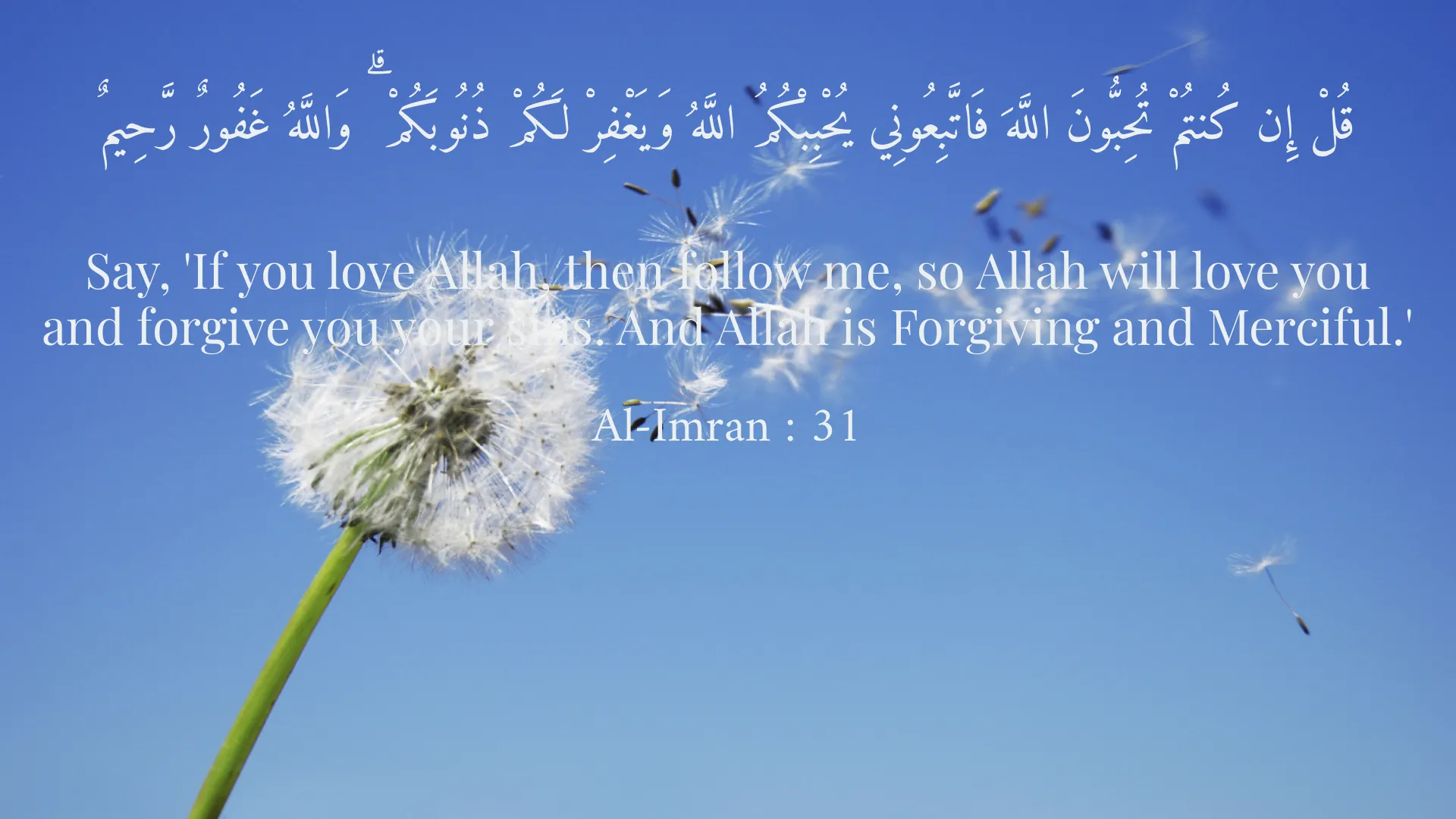
قُلْ إِن كُنتُمْ تُحِبُّونَ اللَّهَ فَاتَّبِعُونِي يُحْبِبْكُمُ اللَّهُ وَيَغْفِرْ لَكُمْ ذُنُوبَكُمْ ۗ وَاللَّهُ غَفُورٌ رَّحِيمٌ
Say, 'If you love Allah, then follow me, so Allah will love you and forgive you your sins. And Allah is Forgiving and Merciful.'
Al-Imran : 31
لَيْسَ الْبِرَّ أَن تُوَلُّوا وُجُوهَكُم قِبَلَ الْمَشَارِقِ وَالْمَغَارِبِ وَلَكِنَّ الْبِرَّ مَنْ آمَنَ بِاللَّهِ وَالْيَوْمِ الْآخِرِ وَالْمَلَائِكَةِ وَالْكِتَابِ وَالنَّبِيِّينَ وَآتَى الْمَالَ عَلَى حُبِّهِ ذَوِي الْقُرْبَى وَالْيَتَامَى وَالْمَسَاكِينِ وَابْنَ السَّبِيلِ وَالسَّائِلِينَ وَفِي الرِّقَابِ.
Righteousness is not that you turn your faces toward the east or the west, but righteousness is in one who believes in Allah and the Last Day and the Angels and the Book and the Prophets and gives his wealth, in spite of love for it, to relatives, orphans, the needy, the traveler, those who ask [for help], and for freeing slaves.
Al-Baqarah : 177
Short Story
Once upon a time, there was a young man named Ali who was always seeking true love. He noticed among his friends that some affections were merely superficial. One day, while reading the Quran, he stumbled upon a verse that described true love: 'If you love Allah, then follow me.' This verse made him reflective, and he decided to embody love in its true sense in his life. Ali began helping others and honoring his family, and gradually he experienced true love in all aspects of his life. He realized that true love stems from intimacy and sincerity.