Quranic Answer
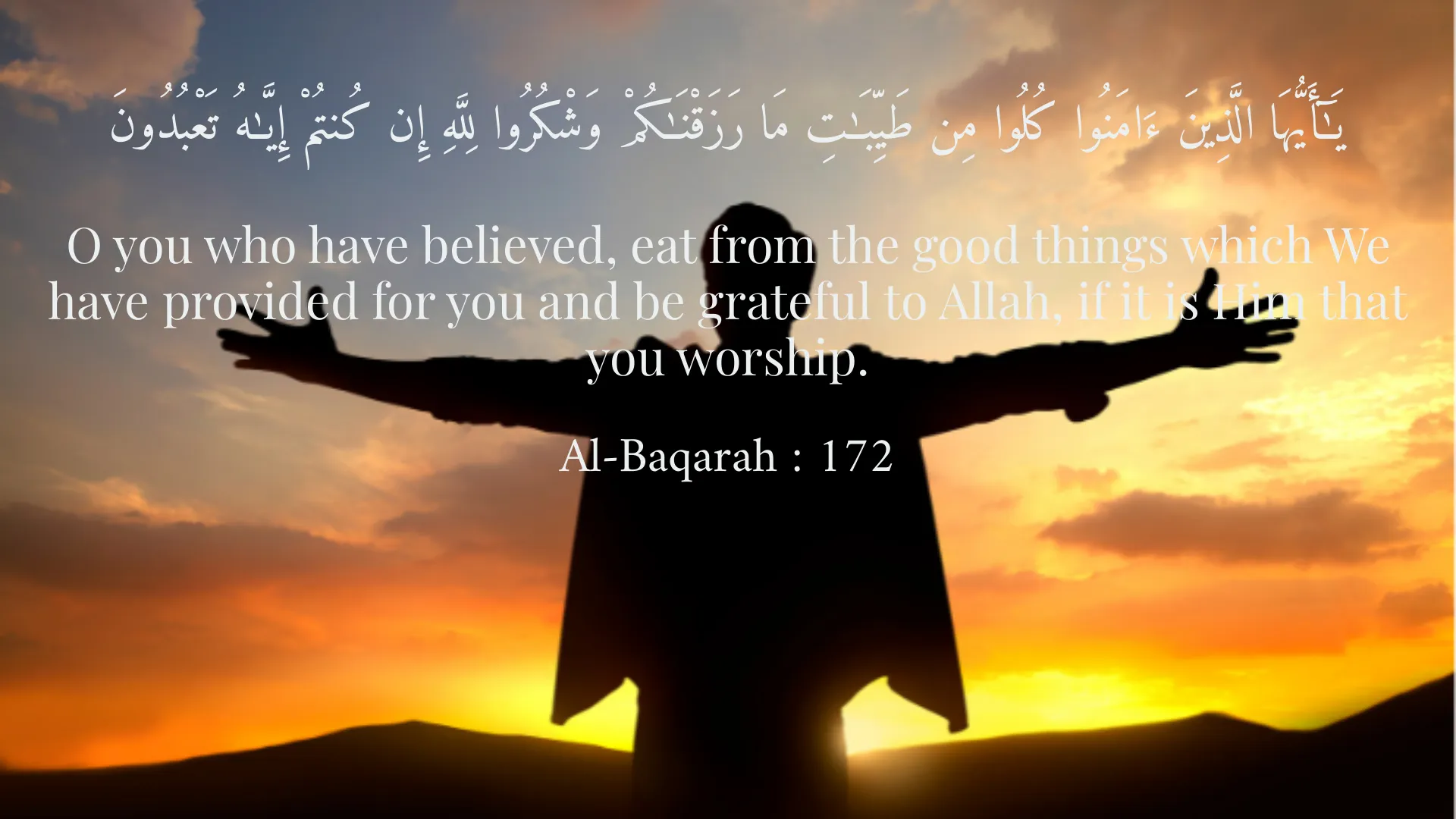
The Holy Quran, as the divine book revealed to humanity, serves not only as a spiritual guide but also as a comprehensive framework for living a healthy and fulfilling life. Throughout its verses, it addresses various aspects of a healthy lifestyle, touching upon the significance of diet, moderation, gratitude, and the ethical considerations that contribute to both physical and mental well-being. It is essential to understand how these values laid out in the Quran can guide believers toward achieving wholeness in their lives. One of the most striking indications of the Quran's stance on nutrition can be found in Surah Al-Baqarah, verse 172. Here, Allah advises believers to consume what is good and pure and reminds them to express gratitude for the blessings they receive: "O you who have believed, eat from the good things which We have provided for you and be grateful to Allah if it is [indeed] Him that you worship" (Quran 2:172). This verse highlights the importance of paying careful attention to what we eat. The guidance to find nourishment in good and pure foods signifies a direct connection between our physical intake and our spiritual condition. Gratitude is emphasized as a requisite, underscoring that failure to appreciate these blessings can lead to severe consequences. Thus, the Quran not only professes the idea of healthy nutrition but also incorporates an ethical dimension by encouraging thankfulness. Surah Al-An'am adds further depth to this discourse with verses 118 and 119: "And eat of that over which the name of Allah has been mentioned, if you are believers in His verses. And why should you not eat of that over which the name of Allah has been mentioned, while He has explained to you what He has made unlawful to you, excepting that to which you are driven by necessity?" (Quran 6:118-119). These verses extend the conversation around diet, shifting the focus toward the concept of halal, or lawful, food. They warn against following whims or desires that are not aligned with divine guidance. Following these commandments promotes a clear awareness of dietary choices that are not only beneficial for health but also spiritually rewarding. Choosing halal food contributes to a sense of accountability and moral integrity. The Quran also addresses the significance of knowledge and awareness. In Surah Al-‘Alaq, the first revelation received by the Prophet Muhammad (peace be upon him), Allah emphasizes the importance of knowledge: “Read in the name of your Lord who created.” (Quran 96:1). This foundational call to seek knowledge can be applied to making informed choices regarding our diet and lifestyle. The act of choosing wisely what to consume falls under the broader pursuit of knowledge: one must understand which foods nourish the body and promote well-being. This place of knowledge leads to heightened awareness in our lives and can guide us to make conscious choices that benefit our health. Moreover, the Quran speaks regarding lifestyle moderation in Surah Al-A'raf, where it states: "And eat and drink, but be not excessive. Indeed, He likes not those who commit excess." (Quran 7:31). This statement provides crucial guidance on maintaining balance in one’s dietary approach. An essential aspect of health encompasses not just what we eat, but also how we approach consumption. Maintaining moderation in our meals prevents overindulgence and the negative implications that come with it. Excessive eating not only threatens physical health, leading to conditions such as obesity, but can also create spiritual disconnection through neglecting personal discipline. The importance of instilling these values in younger generations is also emphasized in the Quran. Surah Al-A'raf, verse 31 advises parents: "And tell your children when they reach maturity to eat and drink according to the laws of Allah." This illustrates the necessity of passing these teachings along to the next generation, encouraging young people to be mindful of their health choices and lifestyle from an early age. Parents play a vital role in modeling these values and can significantly influence the path that their children take concerning health, happiness, and ethical living. In summary, the Holy Quran expands on the notion of a health-conscious lifestyle and emphasizes that well-being is not limited to the physical realm alone. Spiritual health must also be nurtured through ethical dietary practices, gratitude, and a pursuit of knowledge. The interweaving of physical health and spiritual fulfillment is paramount; therefore, maintaining a balance in both is essential for believers. By respecting the principles established in the Quran for physical and spiritual health, Muslims can cultivate a healthy lifestyle that nurtures both the body and soul. Understanding and implementing these teachings ultimately contribute to a holistic approach to life, where believers can thrive physically, spiritually, and ethically, leading to a more profound sense of purpose and connection to their Creator. Thus, the Holy Quran serves as a timeless guide toward a healthy lifestyle that encompasses all dimensions of well-being.
Related Verses
يَـٰٓأَيُّهَا الَّذِينَ ءَامَنُوا كُلُوا مِن طَيِّبَـٰتِ مَا رَزَقْنَـٰكُمْ وَشْكُرُوا لِلَّهِ إِن كُنتُمْ إِيَّـٰهُ تَعْبُدُونَ
O you who have believed, eat from the good things which We have provided for you and be grateful to Allah, if it is Him that you worship.
Al-Baqarah : 172
فَكُلُوا مِمَّا ذُكِرَ اسمُ اللَّهِ عَلَيْهِ إِن كُنتُمْ بِـَٔايَـٰتِهِ مُؤْمِنِينَ
So eat of that upon which the name of Allah has been mentioned if you are believers in His verses.
Al-An'am : 118
وَكُلُوا وَاشْرَبُوا وَلَا تُسْرِفُوا ۚ إِنَّهُ لَا يُحِبُّ الْمُسْرِفِينَ
And eat and drink, but be not excessive. Indeed, He likes not those who commit excess.
Al-A'raf : 31
Short Story
Once upon a time, there was a young man named Adel who valued his health greatly. He always told his mother that he wanted to eat healthy food and stayed away from harmful substances. One day, his mother asked him, "Why do you care so much about your health?" Adel smiled and replied, "Because I know the Quran encourages us to eat lawful and pure food." He believed that following these principles would not only help his physical health but also keep his spirit vibrant.