Quranic Answer
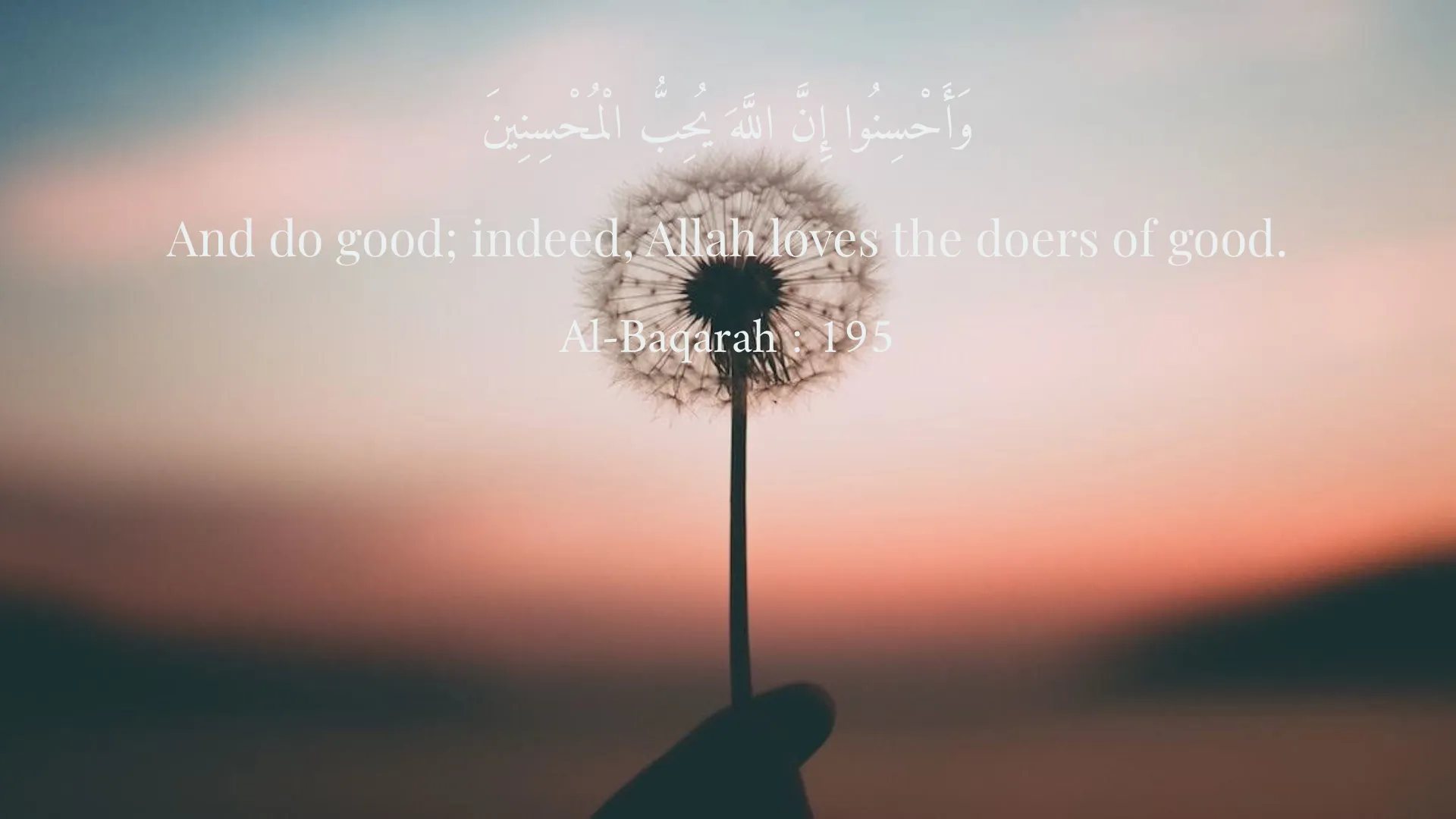
The Holy Quran is a divine scripture that speaks to the hearts and minds of billions of individuals, teaching lessons that are not only spiritual but also profoundly practical in the everyday lives of humans. Among these teachings is a crucial subject that is often overlooked but is of great significance: self-oppression. Self-oppression can be defined as the act of inflicting harm, whether physically, emotionally, or spiritually, upon oneself. It is a battle that many individuals face, and the Quran provides guidance on how to avoid this debilitating condition. Throughout its verses, the Quran emphasizes the importance of treating oneself with kindness and respect, echoing a theme that is vital for personal development and well-being. One of the salient verses that addresses self-oppression is in Surah Al-Baqarah, verse 195, which states: 'And do good; indeed, Allah loves the doers of good.' This verse serves as an important reminder that compassion must first begin within. To foster kindness towards others, we are required to cultivate kindness towards ourselves. The implication here goes beyond mere kindness; it is a call to action that encourages individuals to engage in deeds that promote not only their welfare but the welfare of others as well. When we reject self-oppression, we open the gates to kindness, generosity, and goodness which ultimately elevates our state of being. Moreover, Surah Al-An'am, verse 160 states: 'Whoever comes with a sin will not be recompensed except by the like thereof.' This verse reveals a fundamental principle: every action has a corresponding consequence. In the context of self-oppression, this reflects the idea that harming oneself will yield repercussions, not just for the individual, but often for those around them as well. This concept can be thought of as a ripple effect, where the pain and suffering inflicted upon oneself can extend outward, affecting relationships, communities, and even the environment. The wisdom of the Quran urges us to be cognizant of our actions and their impact, prompting an introspective look at how we treat ourselves. The Quran does not merely admonish against self-oppression; it also encourages us to seek improvement. Rather than resigning to a state of self-harm or despair, the Quran calls us to actively engage in self-betterment and growth. This paradigm shift allows individuals to reflect on their behaviors, introspect on their motivations, and foster a mindset oriented towards positive change. Such a mindset is pivotal in breaking the cycle of self-oppression and recognizing that we are Allah's creations, designed for greatness. The teachings found within the Quran serve as a motivational force, pushing us to seek redemption and pursue a path of righteousness. The act of repenting for acts of self-oppression is also a recurrent theme in the Quran. The scripture invites us to turn back to Allah with sincere hearts, seeking forgiveness and committing to change. Repentance, in this context, is not merely a confession of wrongdoing but also a commitment to improve and abstain from behaviors that bring harm. It signifies hope and renewal—the understanding that while one may have succumbed to self-oppression in the past, there is always a path towards improvement and healing. Another profound consequence of self-oppression outlined in the Quran is the entrapment of the spirit. The more we inflict pain on ourselves, the more we distance ourselves from the essence of our being. Spiritually, we may find ourselves overwhelmed with feelings of guilt, shame, and anxiety, which stem from self-condemnation. This internal turmoil serves as a barrier to attaining inner peace and harmony, which is a fundamental goal in Islamic teachings. Thus, the Quran’s advocacy for self-love and respect reinforces the idea that we are entitled to a state of well-being, both spiritually and emotionally. In recognizing these teachings, individuals can begin to construct a framework for their lives that honors their self-worth. Engaging in practices that promote self-care, confronting negative self-talk, seeking forgiveness from oneself, and ultimately treating ourselves with the love and respect we deserve are ways in which we can adhere to the Quranic teachings. Additionally, connecting with community and offering support to others in distress fosters a spirit of collective healing, thus enhancing the social fabric that binds us together. In the modern age, where self-oppression can manifest in various forms—be it through mental health struggles, societal pressures, or unhealthy comparisons—turning to the wisdom of the Quran provides a solid foundation to navigate these challenges. The revelations within the Quran remind us that we are not alone; we have divine guidance encouraging us to rise above our struggles, embrace our identity, and foster a spirit of resilience and love. In conclusion, the teachings of the Quran stand as a powerful reminder of the importance of self-love and the rejection of self-oppression. The divine call to 'do good' and the warning about the consequences of sin offer a balanced approach to personal and spiritual growth. By adhering to these teachings, we can transform our lives, recognizing that our journey towards self-acceptance and improvement is not only good for ourselves but also essential for nurturing a compassionate and loving community. As we embrace these tenets, we are empowered to walk the right path, cultivating not only our own spirits but also leading others towards the light of understanding and kindness.
Related Verses
وَأَحْسِنُوا إِنَّ اللَّهَ يُحِبُّ الْمُحْسِنِينَ
And do good; indeed, Allah loves the doers of good.
Al-Baqarah : 195
مَن جَآءَ بِسَيِّئَةٍ فَلَا يُجْزَى إِلَّا مِثْلَهَا
Whoever comes with a sin will not be recompensed except by the like thereof.
Al-An'am : 160
Short Story
One day, a man named Hassan was reflecting on his life and realized that he had neglected himself, overlooking his spiritual and physical needs. He decided to turn to the verses of the Quran to discover the meaning of life and self-respect. Hassan began to worship and pray and took time for self-care in his daily life. Gradually, he found more joy and peace, and his life took on a new color and flavor.