Quranic Answer
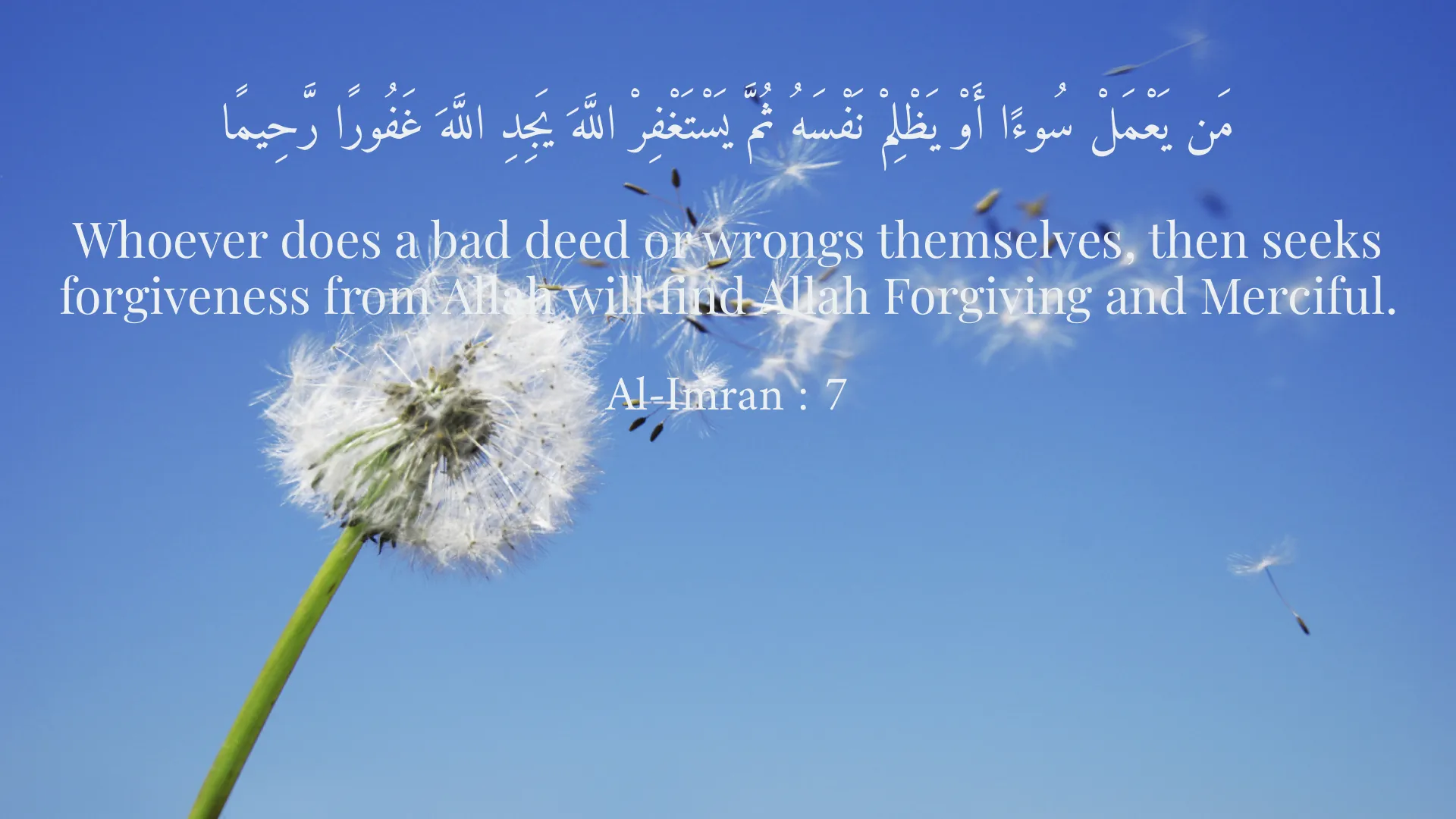
The Holy Quran, regarded as the literal word of God in Islam, serves as a comprehensive guide for humanity, presenting teachings that extend across various aspects of life, including morality, ethics, and human behavior. Among its many themes, the significance of good behavior in determining a person's destiny is of paramount importance. The verses of the Quran are not merely rhetorical assertions; they are profound insights into the relationship between human actions and their consequences, both in this life and the Hereafter. This article aims to delve deeper into the verses that emphasize the role of good behavior and how it shapes one's spiritual journey and ultimate fate. One of the pivotal verses concerning good behavior is found in Surah Al-Imran, verse 7. It states, 'Whoever does a bad deed or wrongs themselves, then seeks forgiveness from Allah will find Allah Forgiving and Merciful.' This verse encapsulates the essence of hope and repentance in Islam. It highlights that every human being is susceptible to sin. However, the pathway to redemption lies in sincere repentance. Seeking forgiveness is significant because it conveys humility and acknowledgment of one's mistakes. Allah's promise to be forgiving and merciful instills a sense of assurance. This verse teaches us that irrespective of how grave a sin may appear, the doors of repentance remain open, and good behavior can lead to divine mercy. Moreover, the Quran further elaborates on this concept in Surah Al-Zalzalah, verses 7 and 8, which articulate: 'So whoever does an atom's weight of good will see it, and whoever does an atom's weight of evil will see it.' These verses convey a clear message regarding the consequences of our actions. They emphasize that no deed, no matter how small or insignificant it may seem, can escape the scrutiny of Allah. Every act, whether good or evil, carries weight and will yield results on the Day of Judgment. This verse serves to motivate believers to engage in good behavior because they are assured that even the smallest acts of kindness will not go unnoticed. The mention of an "atom's weight" signifies that even minor good deeds can have far-reaching effects. The consistency in performing good deeds can lead to a more substantial transformation in character and spirituality over time. In addition to individual accountability, Surah Al-Baqarah, verse 177 enriches our understanding of righteousness by emphasizing that true faith in Allah is reflected through good deeds. The verse states: 'Righteousness is not that you turn your faces toward the east or the west, but [true] righteousness is in one who believes in Allah, the Last Day, the Angels, the Book, and the Prophets and gives his wealth in spite of love for it to relatives, orphans, the needy, the traveler, those who ask [for help], and for freeing slaves; [and who] establishes prayer and gives zakah; [those who] fulfill their promise when they promise; and [those who] are patient in poverty and hardship and during battle. It is those who have been true, and it is those who are the righteous.' This comprehensive definition of righteousness encapsulates not only the internal beliefs of a person but also the external manifestations of those beliefs through good actions. It implies that one's faith is validated through behaviors that align with divine principles, emphasizing that being virtuous is fundamentally linked to one’s belief system. The teachings of the Quran regarding good behavior are significant, transcending mere doctrinal beliefs to foster a culture of ethical conduct among individuals. Good behavior according to the Quran is a cornerstone of a balanced and fulfilling life. Not only does it lead to personal spiritual growth, but it also contributes to the well-being of society. For instance, acts of charity, caring for orphans, and providing for the needy reflect a lifestyle that prioritizes community welfare. By doing so, individuals not only fulfill their spiritual obligations but also create an environment rooted in compassion and mutual support. Moreover, the impact of good behavior is profound on an individual’s psychological state. Engaging in positive actions leads to a sense of satisfaction and fulfillment. Research in psychology often corroborates this by suggesting that acts of kindness can significantly improve mental health and well-being. The Quranic emphasis on good deeds can thus serve both spiritual and psychological purposes. It encourages a cycle of positivity where good behavior leads to more good behavior, creating a ripple effect in society. However, the journey towards good behavior is not without challenges. Humans are inherently flawed and prone to err. The Quran recognizes this by offering pathways to redemption through repentance as seen in Surah Al-Imran. This recognition invites believers to continuously strive for improvement while simultaneously maintaining hope in Allah’s mercy. It encourages a mindset oriented toward growth. Such a viewpoint is essential, not just in facing personal shortcomings, but also in fostering empathy towards others who may falter. Ultimately, the teachings of the Quran remind us that good behavior is integral not only to our earthly existence but also in shaping our destiny in the Hereafter. The acknowledgment of accountability serves as a powerful motivator to act righteously. Every interaction we engage in, every decision we make, contributes to the larger narrative of our lives. As we work towards embodying good qualities and engaging in acts of kindness, we are laying the foundation for a better world while securing our place in the sight of Allah. In conclusion, the significance of good behavior as portrayed in the Quran encourages believers to view their actions through a lens of morality and spirituality. By repenting for sins, actively engaging in good deeds, and nurturing a strong moral compass, individuals can profoundly impact their own lives as well as the lives of those around them. The journey towards good behavior is continuous, deeply linked to one’s faith, and ultimately instrumental in shaping one’s destiny both in this world and the Hereafter.
Related Verses
مَن یَعْمَلْ سُوءًا أَوْ یَظْلِمْ نَفْسَهُ ثُمَّ یَسْتَغْفِرْ اللَّهَ یَجِدِ اللَّهَ غَفُورًا رَّحِیمًا
Whoever does a bad deed or wrongs themselves, then seeks forgiveness from Allah will find Allah Forgiving and Merciful.
Al-Imran : 7
فَمَن یَعْمَلْ مِثْقَالَ ذَرَّةٍ خَیْرًا یَرَهُ
So whoever does an atom's weight of good will see it.
Al-Zalzalah : 7
لَیْسَ الْبِرَّ أَنْ تَوَلُّوا وَجُوهَكُمْ قِبَلَ الْمَشْرِقِ وَالْمَغْرِبِ وَلَكِنَّ الْبِرَّ مَنْ آمَنَ بِاللَّهِ وَالْیَوْمِ الْآخِرِ وَالْمَلَائِكَةِ وَالْكِتَابِ وَالنَّبِیِّ وَأَقَامَ الصَّلَاةَ وَآتَى الزَّکَاةَ وَالْمُوفُونَ بِعَهْدِهِمْ إِذَا عَاهَدُوا وَالصَّابِرِينَ فِی الْبَأْسَاءِ وَالضَّرَّاءَ وَحِینَ الْبَأْسِ ۚ أُو۟لَـٰئِكَ الَّذِیْنَ صَدَقُوا ۖ وَأُو۟لَـٰئِكَ هُمُ الْمُتَّقُونَ
Righteousness is not that you turn your faces toward the east or the west, but [true] righteousness is in one who believes in Allah and the Last Day and the Angels and the Book and the Prophets and gives his money, in spite of love for it, to relatives, orphans, the needy, the traveler, those who ask [for help], and for freeing slaves; and [he who] establishes prayer and gives zakah; [those who fulfill their promise when they promise] and [those who are] patient in poverty and hardship and during battle. Those are the ones who have been true, and it is those who are the righteous.
Al-Baqarah : 177
Short Story
Once upon a time, there was a kind man named Hassan who was always seeking goodness and helping others. He was busy assisting people in his neighborhood and addressing their needs. One day, someone came to him and said, 'Hassan, I am in a bind in my life and I don’t know what to do.' Hassan smiled and replied, 'Don't worry, you can also change your life by doing good deeds; God always rewards kindness.' After that, the person followed Hassan’s advice, and by doing righteous deeds, his life changed, and he achieved much success. This story reminds us that good behavior has a positive impact on one's life and destiny.