Quranic Answer
The concept of foresight is a profound and pivotal theme embedded in the Quran, serving as a guiding principle for individuals navigating through the complexities of life. This notion encapsulates the idea of being acutely aware of the potential consequences and outcomes of one’s actions. In Islamic teachings, foresight does not merely imply a cognitive evaluation of the present circumstances; rather, it extends to a holistic understanding of how decisions resonate throughout one's life and beyond into the afterlife. This article explores the implications and importance of foresight based on various verses of the Quran, illustrating how the concept serves as a moral compass for believers. At the heart of this discussion is the verse from Surah Al-Imran (3:185), wherein Allah states, "Every soul shall taste death, and you will surely be tested in your possessions and yourselves." This verse profoundly encapsulates a dual reality faced by every individual: the inevitability of mortality and the trials presented by life’s possessions and personal experiences. It stresses that life is not merely a collection of fleeting experiences, but rather a significant journey laden with responsibilities and moral considerations. The reminder of death serves as a stark wake-up call, urging believers to reflect upon their actions and choices, highlighting that each decision carries weighty consequences. Moreover, the acknowledgment of testing in possessions and selves indicates a broader spiritual framework where worldly engagements are not devoid of purpose. Believers are encouraged to engage with the world but with a conscientious mindset, recognizing that every action taken today shapes their standing in the hereafter. Thus, the essence of foresight manifests in considering both immediate and long-term repercussions, influencing how one interacts with wealth, relationships, and personal conduct. The Quran frequently prompts believers to reflect and maintain awareness of the transient nature of worldly life, juxtaposed with the everlasting implications of the hereafter. In addition, Surah An-Naml (27:79) further reinforces this concept. Allah advises, "So ponder reflectively and seek reasoning for judging and evaluating the outcomes of matters." This call to reflection is an imperative that underscores the essence of critical thinking within the Islamic framework. The Quran encourages believers not only to act but to engage in thoughtful deliberation. This level of cognitive engagement is critical for evaluating the potential outcomes of one’s decisions. The emphasis on reasoning advocates for an active role in shaping one's destiny, nurturing a mindset that looks beyond immediate gratification or superficial gains. The pathway to attaining foresight mandates that individuals cultivate various competencies, such as self-awareness, patience, and empathy. Self-awareness enables believers to assess their motivations and the underlying values that guide their actions. By understanding oneself, individuals are better equipped to predict how their choices will affect themselves and others. Moreover, the practice of patience is intricately linked with foresight; it enables individuals to resist hasty decisions driven by fleeting emotions or external pressures, fostering a more deliberate approach to life. Empathy plays a crucial role in navigating interactions with others. When contemplating the potential outcomes of one’s actions, the ability to understand and consider the feelings and needs of others comes into play. Empathy promotes a communal sense of responsibility, urging believers to tread carefully in their dealings with fellow human beings, ultimately leading to more harmonious relationships and a focus on the collective good. The concept of foresight also has implications for the broader society. When individuals embrace foresight in their personal decision-making, it ripples outward, influencing families, communities, and even nations. Enlightened individuals who understand the far-reaching consequences of their actions contribute positively to the collective ethos. Conversely, a lack of foresight can result not only in personal turmoil but also in societal disruptions. Therefore, the Quran’s emphasis on foresight is not solely for individual gain but is fundamentally tied to the health and well-being of the community at large. Furthermore, in the digital age, where decisions can be made in an instant and reactions are often instantaneous, the need for foresight is more pressing than ever. Social media, for instance, requires individuals to consider how their words and actions—often public and permanent—can impact their social standing and relationships. The call to mindful engagement in the digital realm echoes the timeless wisdom embedded in the Quranic teachings. Encouraging believers to apply the principles of foresight could transform how individuals navigate online interactions, fostering a culture of kindness, courtesy, and understanding. In summary, the concept of foresight as outlined in the Quran serves as a vital guide for individuals seeking to lead fulfilling and responsible lives. This principle emphasizes the necessity of being aware of the consequences of one’s actions, informing both personal and collective accountability. The moral imperatives derived from verses such as those in Surah Al-Imran and Surah An-Naml invite believers to engage in reflective thinking, understanding the implications their choices have, both in this life and the afterlife. By cultivating self-awareness, patience, and empathy, believers can embody this principle, contributing positively to themselves and the broader society. Ultimately, the Quran’s teachings on foresight inspire a life of purpose and intention, steering believers toward decisions that resonate with their core values and lead to favorable outcomes in both temporal and eternal realms.
Related Verses
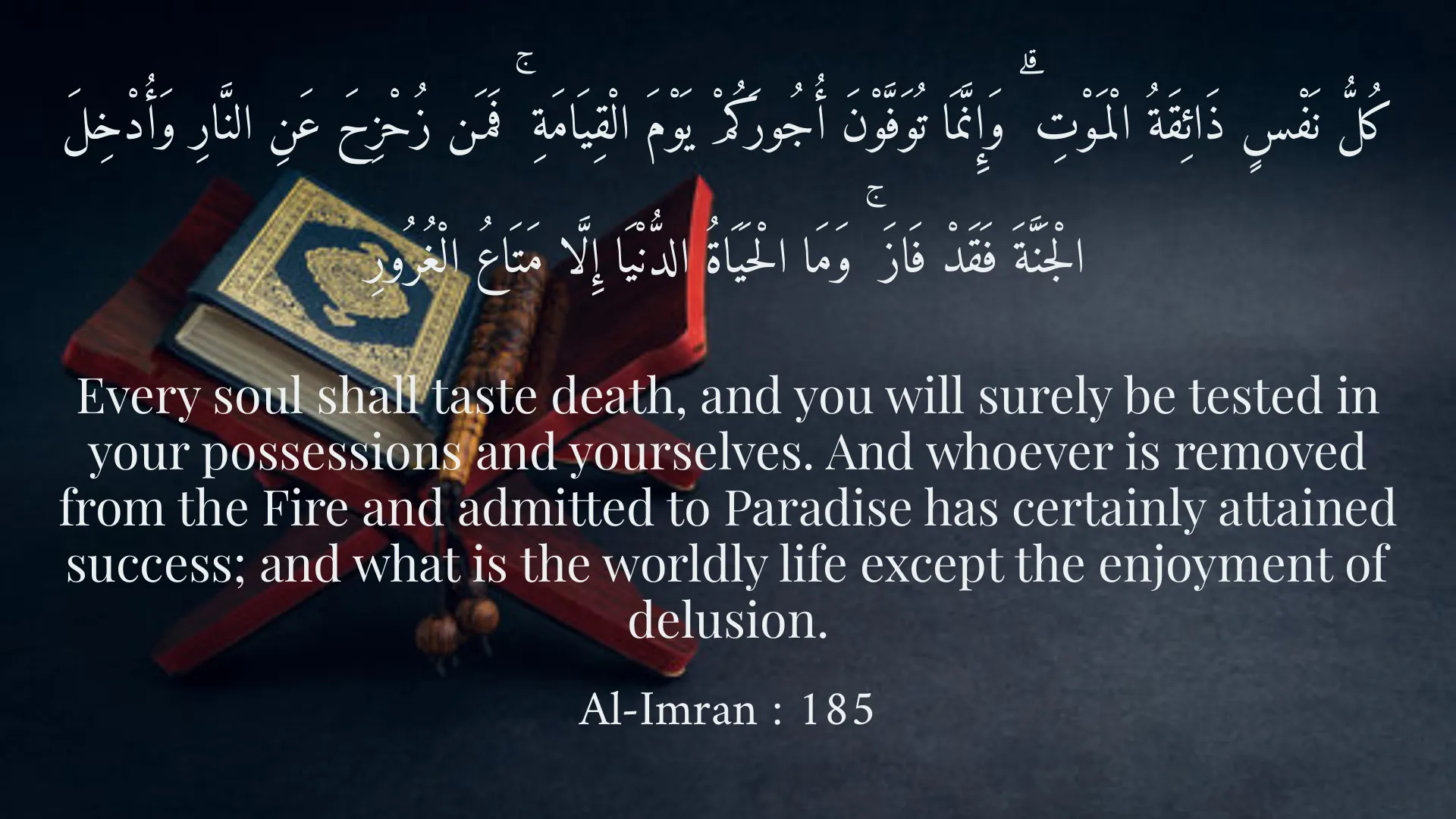
كُلُّ نَفْسٍ ذَائِقَةُ الْمَوْتِ ۗ وَإِنَّمَا تُوَفَّوْنَ أُجُورَكُمْ يَوْمَ الْقِيَامَةِ ۚ فَمَن زُحْزِحَ عَنِ النَّارِ وَأُدْخِلَ الْجَنَّةَ فَقَدْ فَازَ ۚ وَمَا الْحَيَاةُ الدُّنْيَا إِلَّا مَتَاعُ الْغُرُورِ
Every soul shall taste death, and you will surely be tested in your possessions and yourselves. And whoever is removed from the Fire and admitted to Paradise has certainly attained success; and what is the worldly life except the enjoyment of delusion.
Al-Imran : 185
فَتَفَكَّرُوا فِي قَوْلِي وَابْتَغُوا دَلَالَةً عَلَى قَضَائِكُمْ!
So ponder reflectively on my words and seek reasoning for your judgments!
An-Naml : 79
Short Story
Once upon a time, there was a man named Hossein who was always thinking about the consequences of his actions. Following the advice of a friend, he began reading the Quran. As Hossein reflected on the verses, he became aware of the outcomes of his actions. He realized that he needed to consider the consequences of every good deed he performed, thus creating a better life for himself and his family.