Quranic Answer
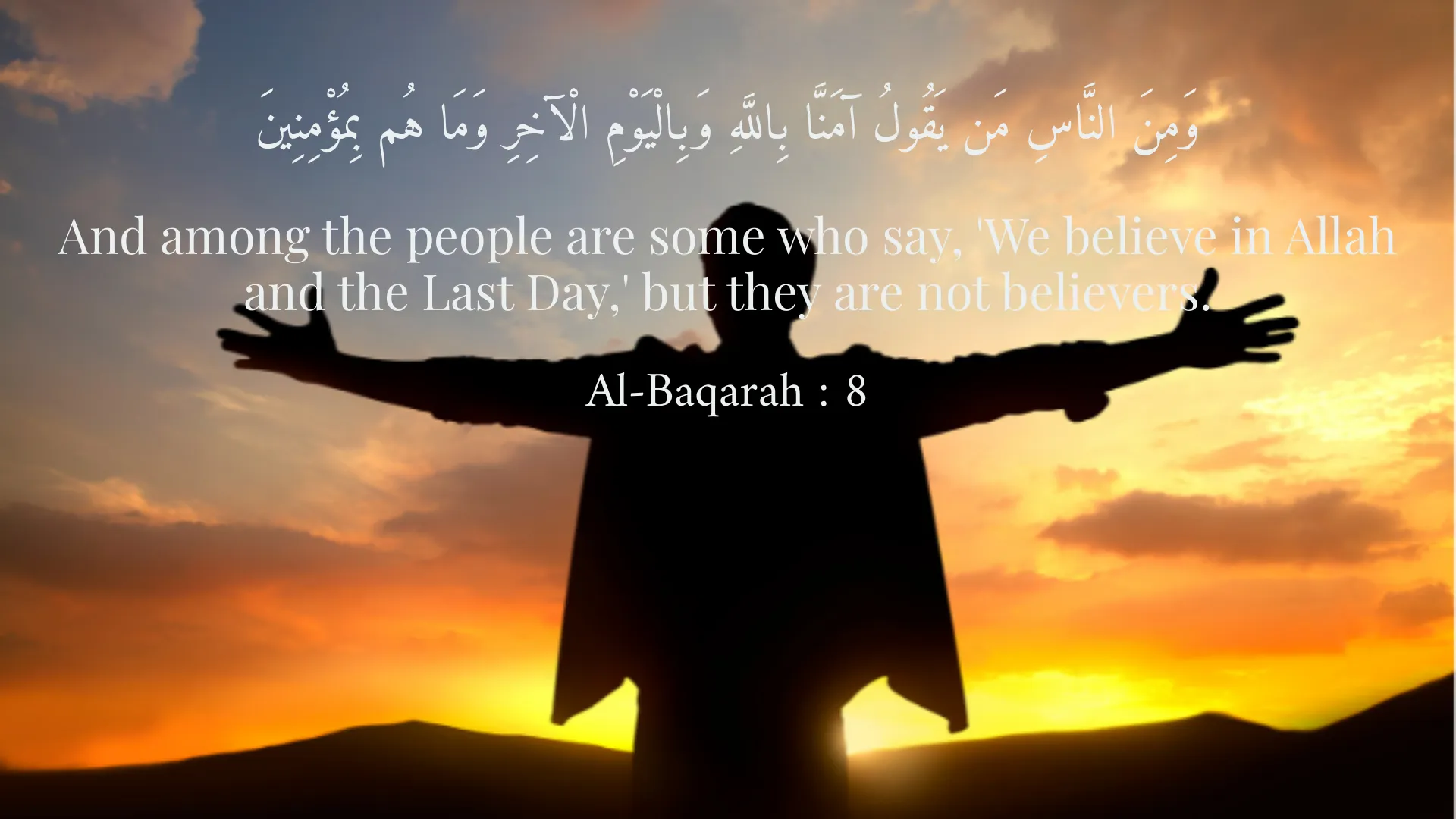
The concept of hypocrisy in the Quran is recognized as one of the gravest sins, reflecting a complex interplay between faith, deception, and the ultimate consequences for one's actions. Throughout the Quran, Allah emphasizes the catastrophic nature of hypocrisy, showcasing numerous verses that outline the characteristics of hypocrites and their subsequent ramifications, both in this life and the hereafter. Understanding the implications of hypocrisy according to the Quran is vital not only for spiritual growth but also for fostering an environment of integrity and sincerity in one’s interactions with others. To delve deeper into the Quranic perspective on hypocrisy, we can start by defining the term itself. Hypocrisy, or "Nifaq" in Arabic, signifies a duality in belief and action. It is an insincere expression of faith where an individual proclaims to believe in Allah and the teachings of the prophets outwardly while inwardly disbelieving or acting contrary to those beliefs. The Quran categorizes hypocrites as people who consciously or unconsciously deceive not only others but also themselves, preventing them from recognizing the reality of their spiritual condition. In Surah Al-Baqarah, verses 8 to 20, Allah provides a profound insight into the nature of hypocrisy. The verses say, "And among the people are some who say, 'We believe in Allah and the Last Day,' but they are not believers. They wish to deceive Allah and those who believe, but they deceive not except themselves and perceive it not." This excerpt vividly illustrates the self-deceptive nature of hypocrites. They express belief in Allah and the Last Day, significant foundational elements of Islam, while in reality, their hearts remain in disbelief. This duplicitous behavior highlights a disconnect between their words and actions, which is a central theme in the discourse on hypocrisy. Further examination of these verses reveals a crucial aspect of hypocrisy – the psychological and social motivations behind it. Hypocritical individuals tend to thrive on social acceptance, longing for the respect and camaraderie of the believers, all the while lacking genuine conviction in their faith. They may hold onto religious terminology and practices as a means of self-preservation within a community, even if their inner convictions are misaligned. This need for social validation can drive individuals to adopt a façade that ultimately erodes their spiritual integrity. The implications of hypocrisy are not merely theological; they echo profoundly through societal dynamics. Communities built on trust and mutual understanding can be deeply affected by the presence of hypocrites. When individuals misrepresent their beliefs, the fabric of community bonds weakens, and social trust is compromised. Thus, hypocrisy becomes not just a personal failing but a societal threat that obstructs collective spiritual progress. In Surah An-Nisa, verse 145, Allah emphasizes the dire consequences awaiting hypocrites. The verse states, "Indeed, the hypocrites will be in the lowest depths of the Fire; and never will you find for them a helper." This declaration serves as a sobering reminder of the ultimate outcome for those who engage in hypocrisy. The Quranic depiction of Hell is intended to instill a sense of urgency for believers to maintain sincerity in their faith and actions. The warning is crystal clear: hypocrisy leads to doom in the hereafter, with the hypocrites suffering the greatest calamities as a result of their actions. The severity of hypocrisy in the Quran leads us to reflect on its meaning in our daily lives. In a world marked by increasing complexity and moral ambiguity, the call for sincerity has never been more pertinent. Practicing honesty and truthfulness in one’s beliefs should be a guiding principle for individuals of faith. The establishment of integrity within a community strengthens trust and fosters spiritual growth, allowing believers to stand firm against the trials of life. Moreover, Muslims are encouraged to engage in self-reflection and accountability as a means of shunning hypocrisy. By recognizing the importance of aligning one’s actions with beliefs, believers can strive towards cultivating authenticity in their spiritual journey. This entails seeking knowledge, engaging in sincere worship, and surrounding oneself with supportive, sincere company. The Quran serves as not just a guide but a mirror, reflecting the reality of who we are and who we aspire to be as individuals and community members. Hypocrisy, if left unaddressed, can lead to a myriad of spiritual and societal malaise. Therefore, adhering to the principles of honesty, truthfulness, and integrity, as emphasized in Islamic teachings, is paramount for cultivating a more authentic existence. Each believer must strive to rid themselves of duplicity and aim for sincerity in their declarations of faith, thereby honing their relationship with Allah and ensuring a more profound impact within their communities. In conclusion, the concept of hypocrisy as laid out in the Quran not only warns against the dangers of deceit but also challenges us to maintain sincerity in our hearts and actions. The spiritual and societal ramifications of hypocrisy are grave, urging believers to commit to a life of truthfulness and integrity. As we navigate the complexities of life, continually seeking to align our actions with our professed beliefs becomes essential. If we are to transcend the pitfalls of hypocrisy, sincere adherence to the teachings of Islam must govern our lives, allowing us to remain steadfast believers and positively influence those around us.
Related Verses
وَمِنَ النَّاسِ مَن يَقُولُ آمَنَّا بِاللَّهِ وَبِالْيَوْمِ الْآخِرِ وَمَا هُم بِمُؤْمِنِينَ
And among the people are some who say, 'We believe in Allah and the Last Day,' but they are not believers.
Al-Baqarah : 8
إن المنافقين في درك أسفل النار ولن تجد لهم نصيراً.
Indeed, the hypocrites will be in the lowest depths of the Fire; and never will you find for them a helper.
An-Nisa : 145
Short Story
Once upon a time, there was a man named Hasan living in a city. He was always pretending to be good and faithful; however, he looked at others with deeper eyes in his heart. One day, he heard advice from a religious scholar saying, "Nothing is hidden from God, and only your sincerity matters." Hasan was greatly moved and decided to move away from pretense and hypocrisy, remaining committed to moral honesty. The joy and peace that followed this decision were indescribable.