Quranic Answer
In the Holy Quran, the concepts of tests and divine punishment are profoundly intertwined, presenting a nuanced narrative that addresses the human experience of faith, trials, and the consequences of actions. The Quran serves as a guide for believers, offering insights into the nature of tests that God administers to His creations and the inevitable repercussions that follow disobedience. This article aims to delve into the themes of tests and divine punishment within the Quranic framework, examining their significance in the lives of believers and their implications for spiritual growth. At the heart of the Islamic faith is the understanding that life is a series of tests. The Quran emphasizes this theme in various verses, with Surah Al-Baqarah offering some of the most significant references. In verse 155, it states: "And We will surely test you with something of fear and hunger and a loss of wealth and lives and fruits, and give good tidings to the patient." This verse encapsulates the essence of testing in the life of a believer. It delineates the types of trials one might encounter, which include fear, hunger, loss, and the passage of time that often brings unforeseen challenges. The notion of tests in Islam is not merely a punitive measure from God; rather, it exists as an opportunity aimed at fostering and nurturing the believer’s spirit. Through these challenges, individuals can gain a clearer understanding of their faith and values. Tests are designed to evaluate one’s level of faith, patience, and gratitude. They serve as moments for reflection and growth, compelling believers to reassess their actions, thoughts, and intentions. The Quran uses these trials as a calibration of one’s faith, inviting believers to embrace a steadfast attitude amid adversity. This cultivation of patience links directly to the virtues that Islam upholds. Patience, known as 'Sabr' in Arabic, is a cornerstone of Islamic ethics, depicted in many Quranic verses as a means of safeguarding oneself against despair and hopelessness. When confronted with trials, perseverance becomes an essential tool that enables believers to navigate through problematic waters without losing sight of their faith. Furthermore, the Quran presents a binary framework regarding tests and divine punishment. The latter functions as a retribution, a necessary measure for those who stray from the righteous path and disobey divine commandments. In Surah Al-Anfal, verse 52, Allah declares: "Like the custom of the people of Pharaoh when they denied the signs of their Lord, so We destroyed them for their sins." This verse highlights the fate of those who rejected the teachings and signs of God's wisdom, showing that divine punishment is often a direct response to disbelief and disobedience. The narrative of the people of Pharaoh serves as a stark reminder of the consequences that arise from rejecting faith. Their downfall illustrates the severity of divine punishment and stands as a cautionary tale. The people of Pharaoh saw the signs of the One God, yet they turned away and faced dire repercussions for their actions. This interplay of consequence reinforces the idea that the tests believers face can either lead to spiritual elevation or divine reprisal based on their responses to life's challenges. While discussing tests and punishments, it is crucial to reiterate that these themes cater to a broader understanding of the human condition. The Quranic perspective prompts believers to introspect and actively engage with their circumstances. Each trial serves a purpose, whether it be strengthening one's resolve or refining one's character. The Quran encourages individuals to not only view their trials through the lens of hardship but as opportunities for growth and transformation. Moreover, divine punishment emphasizes the justice of God, illustrating that every action has a consequence. This concept can serve as a moral compass, guiding believers toward righteous living and adherence to divine laws. The promise of accountability ensures that believers understand the weight of their choices, compelling them to act with mindfulness and integrity in every aspect of their lives. In addition to the themes of tests and punishment, the Quran also underscores the importance of hope and redemption. Just as one is tested and faced with the potential for punishment, the capacity for mercy and forgiveness is a prevailing theme in the Islamic narrative. Believers are reminded of God's boundless mercy, urging them to turn back in repentance when they stray from the path. This duality reinforces the relationship between God and humankind, emphasizing that while tests may be given, there is always an avenue for return and redemption. Ultimately, the Quran’s discourse on tests and divine punishment acts as a guiding framework for understanding the complexities of faith and action. Tests are not solely for assessing one's faith; they also serve to cultivate resilience, patience, and a deeper connection to the divine. Through the lens of these teachings, believers are encouraged to approach life's adversities with an open heart and unwavering faith. By embracing patience and maintaining steadfastness during challenges, they can transcend the immediate impacts of trials, leading to profound spiritual growth. As we navigate the multifaceted nature of life, the Quran reminds us that our tests are opportunities for elevation, while disobedience brings about consequences that can lead to divine punishment. Through understanding these elements, believers gain insight into their purpose and the importance of aligning their lives with the values of faith, integrity, and obedience. The journey through tests and the avoidance of divine punishment ultimately results in a deeper relational understanding of God and nurtures a soul on the path towards spirituality and fulfillment.
Related Verses
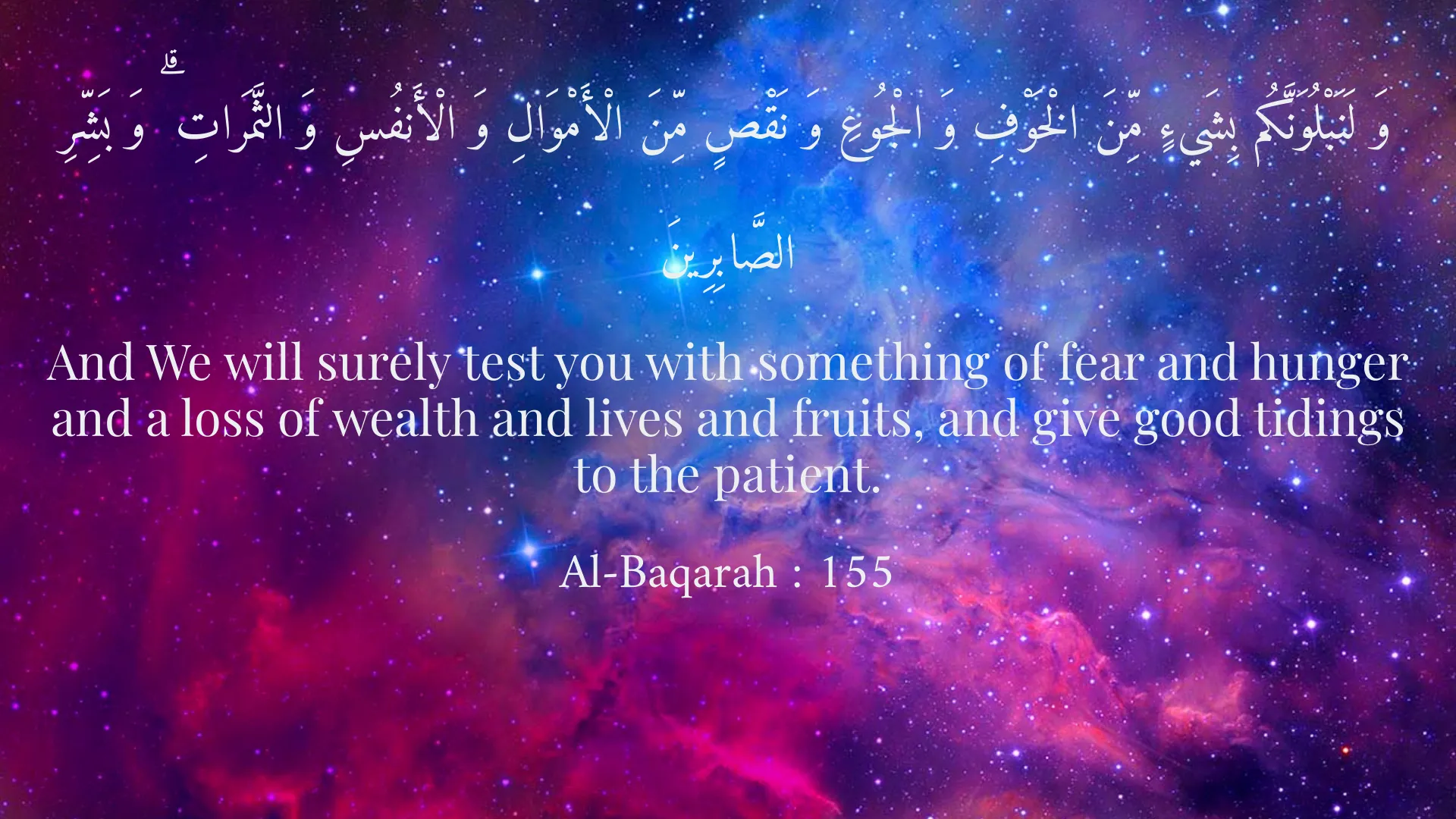
وَ لَنَبْلُوَنَّكُم بِشَيءٍ مِّنَ الْخَوْفِ وَ الْجُوعِ وَ نَقْصٍ مِّنَ الْأَمْوَالِ وَ الْأَنفُسِ وَ الثَّمَراتِ ۗ وَ بَشِّرِ الصَّابِرِينَ
And We will surely test you with something of fear and hunger and a loss of wealth and lives and fruits, and give good tidings to the patient.
Al-Baqarah : 155
كَسَنَةِ آلِ فِرْعَوْنَ إِذْ كذَّبُوا بِآيَاتِ رَبِّهِمْ فَأَهْلَكْنَاهُمْ بِذُنُوبِهِمْ
Like the custom of the people of Pharaoh when they denied the signs of their Lord, so We destroyed them for their sins.
Al-Anfal : 52
Short Story
One day, a man was sitting by the river, and God was testing him. He faced numerous challenges and hardships. Yet every time he encountered an issue, he did not give in and maintained his patience. This situation lasted for quite some time, and in the end, Allah was pleased with him and placed him on the path of guidance. After years, he realized that those hardships were merely divine tests to draw him closer to God.