Quranic Answer
Language is one of the most fundamental tools that humanity has for communicating and sharing ideas, beliefs, and emotions. Its significance is universal, transcending cultural and social barriers. In the context of the Holy Quran, the preservation of language and literature, particularly in the sacred words of God, is of great importance. The Quran is not just a religious scripture; it is a masterpiece of linguistic art that employs the Arabic language's intricacies and nuances to convey profound spiritual and moral teachings. The role of language in the Quran extends beyond mere communication; it is a powerful vehicle for the transmission of deep religious and social meanings, which is crucial for the faithful and the society at large. The Quran emphasizes the essential role of language in various verses, encouraging believers to express themselves clearly and effectively. The significance of eloquence and clarity in speech is arguably most eloquently captured in Surah An-Nahl, verse 125, where God instructs His Prophet: 'Invite to the Way of your Lord with wisdom and good instruction, and argue with them in a way that is best.' This verse not only highlights the importance of effective communication but also underscores the ethical responsibility of the speaker. It calls for wisdom in dialogue and the need for a constructive approach to discussions on religious matters. This directive has layers of meaning, suggesting that language should be employed judiciously and with intention. The use of appropriate language resonates across generations, reminding us that how we speak can influence others positively or negatively. By adhering to this principle, we can promote understanding, build bridges, and foster a nurturing environment for the exploration of spiritual beliefs. Thus, language becomes more than a means of exchange; it evolves into a tool for guidance and enlightenment. In addition to spiritual guidance, the preservation of language is vital from a cultural and social standpoint. Language is intricately linked to identity and heritage. When we preserve language, we also protect our cultural legacy, ensuring that traditions, stories, and values are passed on to future generations. The Quran, being the cornerstone of Islamic teaching, naturally sits at the heart of this cultural preservation. Language serves as a cultural repository, encapsulating the experiences, beliefs, and history of a people. In this regard, Arabic, the language of the Quran, should be preserved and cherished, not just by native speakers but by all who seek to understand and appreciate the Quran's teachings. The act of preserving language is particularly significant for younger generations, who are the future custodians of any culture. It is vital that they understand and express the profound meanings conveyed in the Quran and Islamic teachings. The youth are often at risk of cultural dilution due to globalization, leading to the erosion of linguistic and cultural identities. This challenge underscores the urgency of education and upbringing, with parents, educators, and community leaders playing essential roles in teaching the youth not only the Arabic language but also its associated literature and morals. By investing in language preservation, we create a pathway for the next generation to grapple with complex spiritual and ethical questions while remaining grounded in their cultural identity. Furthermore, the correct usage of language strengthens social interactions and ensures the accurate transmission of religious teachings. Effective communication fosters mutual respect among individuals with differing views, allowing for constructive debates and discussions. It cultivates an environment where ideas can flourish, and individuals can express their beliefs without fear of misinterpretation or backlash. Ultimately, this leads to a robust community bound by shared values and a commitment to mutual understanding. In an increasingly interconnected world, the preservation of language also serves as a counterpoint to the forces of homogenization that threaten cultural diversity. The use of language in its proper form—especially in religious contexts—ensures that the richness of various cultures is acknowledged and celebrated. The Quran highlights the importance of engaging with local communities and respecting linguistic diversity. By doing so, we can create inclusive societies that honor individuality while promoting universal values. The language of the Quran is rich with meaning, embodying concepts that require deep reflection and understanding. It challenges readers to ponder complex themes such as justice, mercy, and humanity’s place in the universe. Therefore, engaging with this language requires more than just a linguistic understanding; it requires a commitment to grasping the ethical implications and societal responsibilities derived from its messages. To achieve this, individuals must strive to preserve their language and use appropriate words in discussions and exchanges. This incorporates a conscious effort to engage with literature and educational resources that deepen understanding of the language and its application. Furthermore, community initiatives that promote language learning and the appreciation of linguistic heritage can play a significant role in fostering a love for the Quran and its teachings. Given the Quran's role in shaping individual character and community values, preserving the language in which it is written remains of utmost importance. Every verse serves as a reminder of the responsibilities tied to our words and the impact that language can have in both positive and negative contexts. In conclusion, the preservation of language and literature within the Holy Quran and the broader Islamic tradition goes beyond mere etymology or syntax; it encompasses the essence of cultural identity, community building, and the ethical obligation we have as communicators. As we translate the teachings of the Quran into our lives and share them with others, let us do so with the wisdom and integrity that it demands, ensuring that the richness of our language remains a beacon for generations to come.
Related Verses
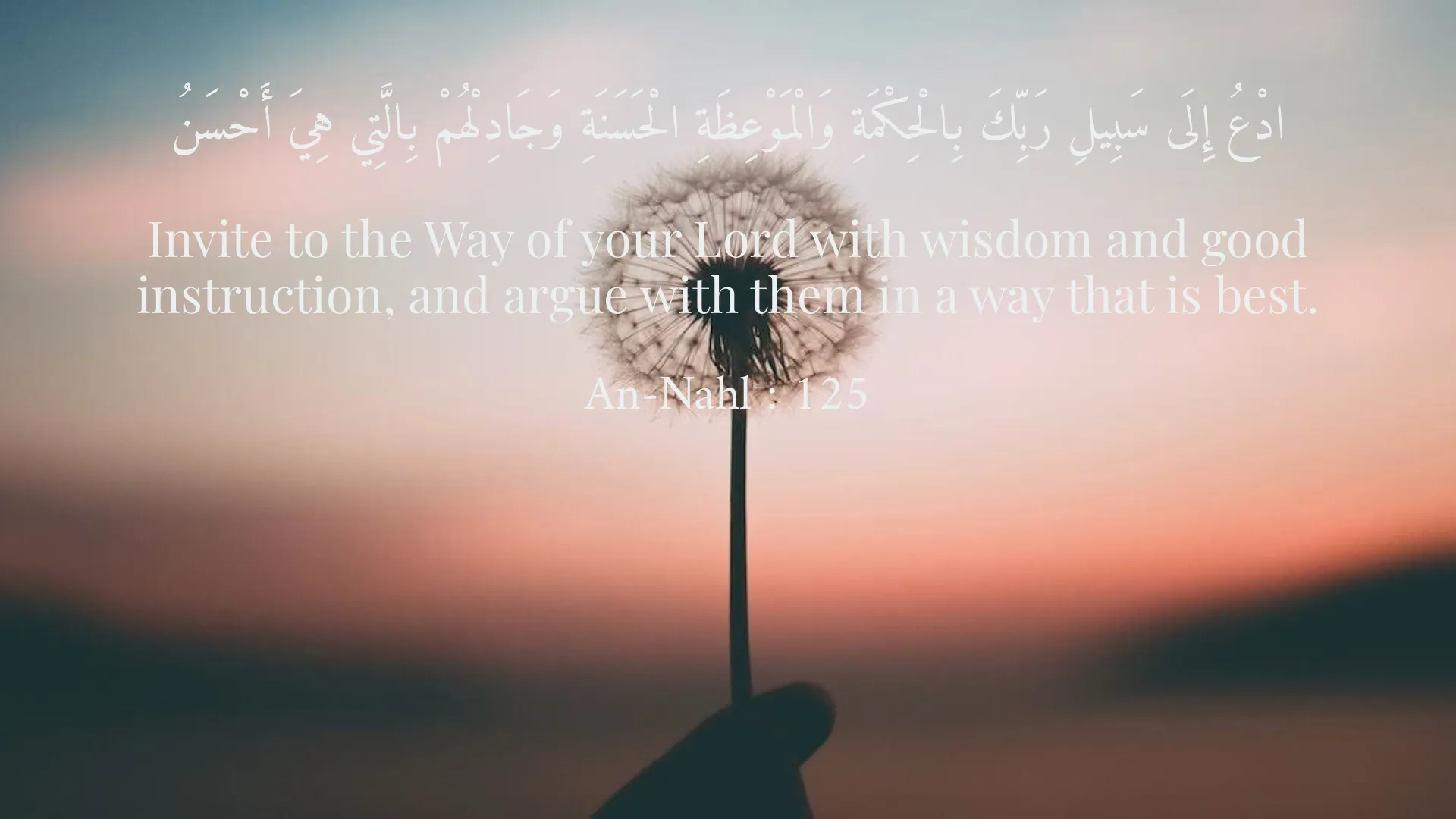
ادْعُ إِلَى سَبِيلِ رَبِّكَ بِالْحِكْمَةِ وَالْمَوْعِظَةِ الْحَسَنَةِ وَجَادِلْهُمْ بِالَّتِي هِيَ أَحْسَنُ
Invite to the Way of your Lord with wisdom and good instruction, and argue with them in a way that is best.
An-Nahl : 125
وَحَسَنًا وَأَتَى مِنَ الصَّالِحِينَ
And he was good to his parents, and he was not a disobedient tyrant.
Maryam : 14
Short Story
Once upon a time, in a small village, there was a young man named Ali who always strived to master and improve his language. By reading the Quran and practicing eloquence, he refined his speech. One day, in the mosque, he spoke with others about an issue, and everyone enjoyed his stories and the beauty of his words. This experience showed that language is not just a tool for communication but a factor for closeness and love among people.