Quranic Answer
The Holy Quran, regarded as the divine scripture of Islam, explicitly addresses the significance of wisdom and reflection in life. This ancient text serves not only as a spiritual guide but also as a manual for ethical and moral conduct in daily life. Wisdom, as described in the Quran, goes beyond mere knowledge; it hints at a deep understanding and insight into the divine and the mysteries of existence. The Quran invites its readers to embark on a reflective journey, one that unveils the potential for personal and communal growth through the lens of faith. A significant verse pertaining to this theme can be found in Surah Al-Imran (3:191), where Allah advises believers, "Indeed, in the creation of the heavens and the earth and the alternation of the night and the day are signs for those of understanding." This divine command to ponder the creation around them serves a dual purpose: it aims to kindle awe in the hearts of believers and encourages them to deepen their faith through reflection. By contemplating the complexity and majesty of the universe, individuals are more likely to recognize the greatness and power of God. Such reflection not only establishes a strong connection with the Creator but also enhances one’s moral compass, guiding them towards a path of righteousness. Moreover, wisdom is portrayed in the Quran as an essential component of faith. In Surah Muhammad (47:19), it is reiterated that, "So know that there is no deity except Allah, and ask forgiveness for your sin." This verse underscores the idea that only the prudent truly comprehend the essence of truth. The intertwining of wisdom, awareness of truth, and seeking forgiveness forms a nexus that characterizes true belief. Hence, the Quran positions wisdom as a precondition for understanding divine truths and pursuing a life that honors God’s commandments. The Quran does not limit its depiction of wisdom to abstract thought alone; it also illustrates practical wisdom through narratives and parables. One notable account is found in Surah An-Naml (27:40), where Allah narrates the story of Prophet Solomon and his encounters with a wise individual. This episode highlights the distinction between knowledge and wisdom, suggesting that while many may seek knowledge, only a select few exercise wisdom in their understanding and decision-making. The ability to discern right from wrong, to see beyond the surface, and to act justly is regarded as a hallmark of true wisdom. Consequently, the Quran emphasizes that wisdom bestows upon humans a distinguished status, setting them apart from other beings. It empowers them to navigate the complexities of life and to contribute positively to society. The theme of wisdom is intricately woven into the fabric of Islamic teachings, with the Quran itself serving as a testament to the importance of thoughtfulness and contemplation. In a world that often rushes towards superficial pursuits and material gain, the Quran urges believers to slow down and engage in self-reflection, promoting a life that is meaningful and grounded in faith. This emphasis on wisdom is not merely for individual benefit but serves a collective purpose as well. The wise are called upon to lead and guide others, fostering a community that thrives on mutual respect, empathy, and understanding. In addition to the verses and narratives that emphasize the importance of wisdom, the Quran also sets criteria for what constitutes a wise person. It suggests that true wisdom is characterized by humility, compassion, and a sincere desire to seek knowledge. The wise are not easily swayed by temptation or deception; they approach life with an open heart and a discerning mind, always seeking to align their actions with the will of God. Such qualities are essential as they empower individuals to function effectively within society while adhering to spiritual principles. Furthermore, discussions surrounding wisdom in the Quran also resonate with Islamic philosophy, which has historically valued reflection and intellectual inquiry. Influential Islamic scholars and thinkers, like Al-Ghazali and Ibn Rushd, have long emphasized the importance of integrating reason and faith, thereby enriching the understanding of religious doctrines. Their works often highlight the need for wisdom as a guiding light, directing individuals towards ethical living and spiritual fulfillment. In conclusion, the significance of wisdom and reflection in the Holy Quran is profound and far-reaching. The text profoundly values those who engage in thoughtful consideration of life’s greater meanings, placing them on a path that promises enlightenment and fulfillment. Through the instructions and stories found within its pages, the Quran invites believers to explore the wisdom intrinsic to their faith while reflecting upon their existence in the world. The teachings encourage an approach to life that is both reflective and empowering, allowing individuals to navigate their journey with purpose. This timeless message reinforces the idea that wisdom elevates not only the individual but also the entire community, creating a more just, compassionate, and enlightened society. Thus, it can be stated that the Holy Quran holds great value for the wise and reflective, placing them on a meaningful and correct path, ordained by the divine for all of humanity.
Related Verses
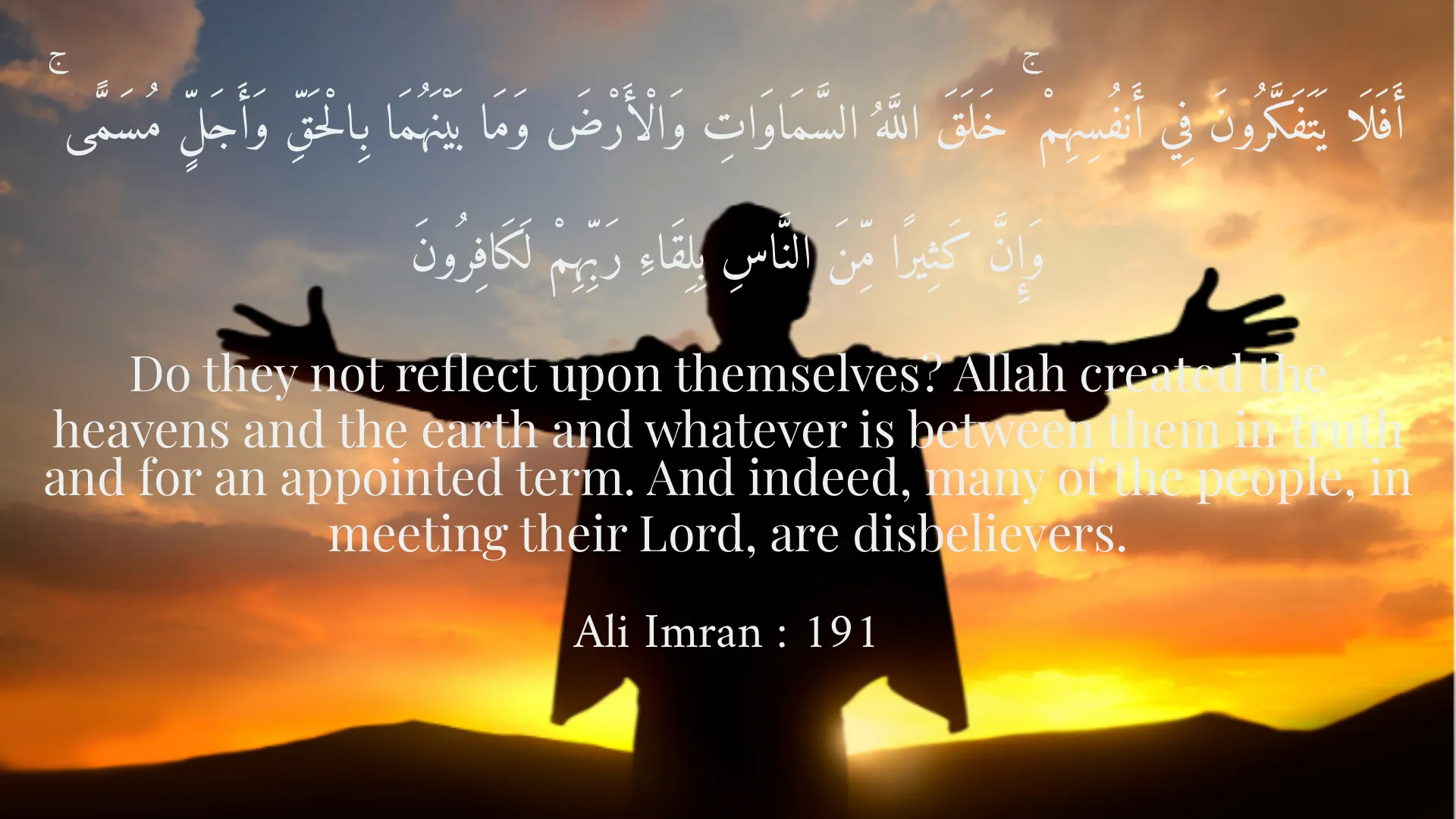
أَفَلَا يَتَفَكَّرُونَ فِي أَنفُسِهِمْ ۚ خَلَقَ اللَّهُ السَّمَاوَاتِ وَالْأَرْضَ وَمَا بَيْنَهُمَا بِالْحَقِّ وَأَجَلٍّ مُسَمًّى ۚ وَإِنَّ كَثِيرًا مِّنَ النَّاسِ بِلِقَاءِ رَبِّهِمْ لَكَافِرُونَ
Do they not reflect upon themselves? Allah created the heavens and the earth and whatever is between them in truth and for an appointed term. And indeed, many of the people, in meeting their Lord, are disbelievers.
Ali Imran : 191
فَاعْلَمْ أَنَّهُ لَا إِلَٰهَ إِلَّا اللَّهُ وَاسْتَغْفِرْ لِذَنبِكَ وَلِلْمُؤْمِنِينَ وَالْمُؤْمِنَاتِ ۗ وَاللَّهُ يَعْلَمُ مَتَقَلَّبَكُمْ وَمَثَوَّاكُمْ
So know that there is no deity except Allah and ask forgiveness for your sin and for the believing men and believing women. And Allah knows the unseen of your movements and your resting places.
Muhammad : 19
قَالَ الَّذِي عِندَهُ عِلْمٌ مِّنَ الْكِتَابِ أَنَا آتِيكَ بِهِۦ قَبْلَ أَن يَارْتَدَّ إِلَيْكَ طَرْفُكَ ۖ فَلَمَّا رَآهُ مُسْتَقِرًّۭا عِندَهُ قَالَ هَذَا مِن فَضْلِ رَبِّي ۖ لِيَبْلُوَنِي أَأَشْكُرُ أَمْ أَكْفُرُ ۗ وَمَن شَكَرَ فَإِنَّمَا يَشْكُرُ لِنَفْسِهِۦ ۖ وَمَن كَفَرَ فَإِنَّ رَبِّي غَنِيٌّ كَرِيمٌ
He who had knowledge from the Scripture said, 'I will bring it to you before your rise from your place.' And when Solomon saw it placed firmly before him, he said, 'This is by the grace of my Lord! To test me whether I give thanks for His bounty or act with disbelief. And whoever is grateful, his gratitude is only for himself; and whoever is ungrateful, then indeed, my Lord is Free of need and Generous.'
An-Naml : 40
Short Story
One day, a sage was walking in the forest, pondering the verses of the Quran. Suddenly, he encountered an ancient, towering tree beautifully reaching toward the sky. He realized that the creation of Allah expressed His wisdom and intellect. He decided to dedicate some time each day for reflection on creation and Allah's beings. Through this practice, he found a deeper sense of peace and closeness to God.