Quranic Answer
Love plays a crucial and fundamental role in the reform of society. It is a timeless and universal emotion that shapes our relationships, influences our actions, and has the power to bring about significant change. In the context of societal development, love is essential for fostering unity, solidarity, and cooperation among individuals. By examining the teachings of the Quran, particularly verses that emphasize the importance of love, we can gain a deeper understanding of its impact on social cohesion and reform. The Quran recognizes love as one of the most important human qualities that can help unite and bond individuals, regardless of their backgrounds. In Surah Al-Imran, verse 103, Allah commands the believers: 'And hold firmly to the rope of Allah all together and do not become divided.' This verse articulates a profound message about the role of love and solidarity in preventing division and fragmentation within society. It implores believers to cling to their shared faith and values, which, when rooted in love, can create a strong foundation for collective action and social reform. Divisions and discord often arise in societies due to misunderstandings, prejudices, and conflicts of interest. Love serves as a counterforce to these negative influences by encouraging empathy and understanding between individuals. When people approach each other with love and compassion, they are more likely to engage in constructive dialogue and collaborate on common goals. This culture of love can transform societal interactions and promotes a sense of belonging, which is crucial for social cohesion. Further emphasizing the importance of love, Quranic teachings highlight that loving others is especially vital during difficult and crisis situations. During times of hardship, people often experience feelings of isolation and despair. However, love for others can be a powerful antidote. In Surah Al-Ma'idah, verse 54, it states: 'O you who have believed, whoever of you should revert from his religion - Allah will bring forth for the people He will love and who will love Him.' This verse reveals a divine promise that Allah values the love and loyalty of believers. By fostering mutual love among individuals, communities can create a supportive environment that provides strength and resilience in times of adversity. The love that is ingrained in human relationships can help to create peace and security within society. Social reforms are more likely to emerge from a context where love and compassion serve as guiding values. When individuals feel appreciated and cared for, they are more inclined to contribute positively to their communities. Love not only motivates charitable acts, but it also inspires individuals to advocate for justice and equality. Social change driven by love tends to prioritize the well-being of all and seeks to address systemic inequalities and injustices. Moreover, love serves as a catalyst for collective action. When people are united by a common love for their community or shared goals, they can mobilize their efforts toward meaningful change. Historical movements for social justice, human rights, and equality have often been fueled by a deep-seated love for humanity. For instance, many influential leaders, such as Dr. Martin Luther King Jr. and Mahatma Gandhi, emphasized love as a fundamental principle in their fight against oppression. Their messages highlighted the transformative power of love in confronting injustice and bringing people together. In today's world, where division and conflict seem to be on the rise, the message of love is more pertinent than ever. We face various challenges, including social inequality, discrimination, and political polarization. These issues require decisive action, and the best way to galvanize societal reform is through love — love for one another, love for justice, and love for our collective future. By nurturing love within our communities, we can break down barriers and create spaces for empathy and understanding, which are essential for sustainable social change. Additionally, it is essential to recognize that love is not merely an emotion or sentiment, but also a necessary and fundamental need for societal reform. As members of a shared society, we are inherently interconnected. The decisions we make and the actions we take significantly impact others, including those we may not know personally. Understanding this interconnectedness can deepen our sense of responsibility toward fostering love and compassion in our interactions. It encourages us to look beyond ourselves and prioritize the collective well-being of society. Education and awareness play vital roles in cultivating love within communities. Promoting empathy and understanding in educational institutions, workplaces, and families can lay the groundwork for a compassionate society. Engaging in initiatives that focus on the importance of love — such as community service, conflict resolution efforts, and awareness campaigns — contributes to a broader culture of love and solidarity. In conclusion, love holds a vital place in societal reform. It is a force that can bridge divides, strengthen relationships, and foster a sense of community. As demonstrated in the Quran, love is not just an emotion but a divine principle that calls for unity and cooperation among individuals. By anchoring our interpersonal relationships in love, we pave the way for a more equitable, just, and harmonious society. As we navigate the challenges of our time, let us strive to embody the spirit of love in our actions and advocate for a world where love reigns and societal reform becomes an attainable reality.
Related Verses
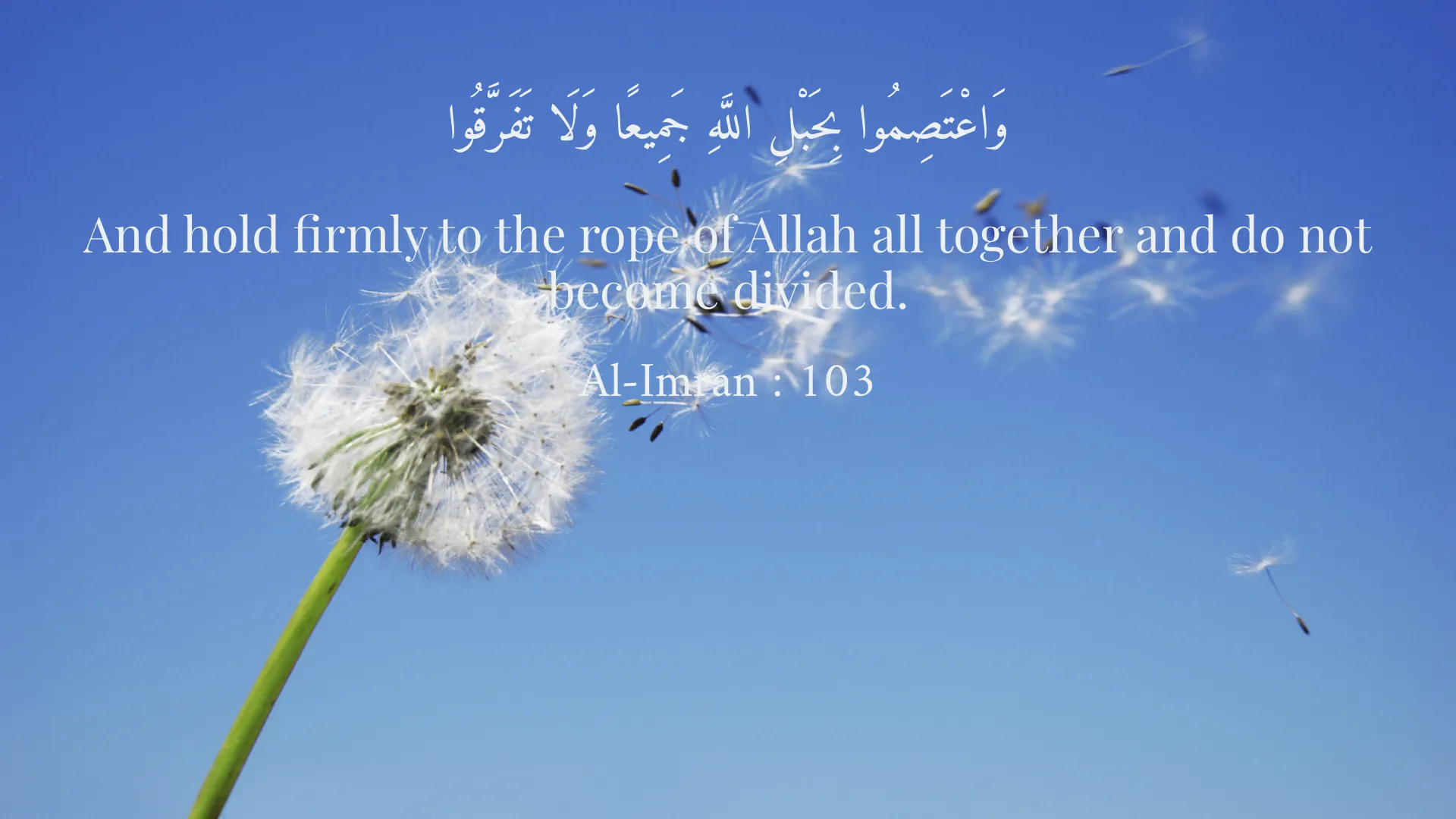
وَاعْتَصِمُوا بِحَبْلِ اللَّهِ جَمِيعًا وَلَا تَفَرَّقُوا
And hold firmly to the rope of Allah all together and do not become divided.
Al-Imran : 103
يَا أَيُّهَا الَّذِينَ آمَنُوا مَن يَرْتَدَّ مِنكُمْ عَنْ دِينِهِ فَسَوْفَ يَأْتِيَ اللَّهُ بِقَوْمٍ يُحِبُّهُمْ وَيُحِبُّونَهُ
O you who have believed, whoever of you should revert from his religion - Allah will bring forth for a people He will love and who will love Him.
Al-Ma'idah : 54
Short Story
In a village, there lived a man who was very kind and loving. He always helped those in need and had close relationships with his neighbors. One day, the community faced a major problem, and everyone was puzzled about finding a solution. That man promoted love and empathy among the people and taught them to cooperate with each other. Gradually, the village's problems were resolved, and the people experienced joy and unity.