Quranic Answer
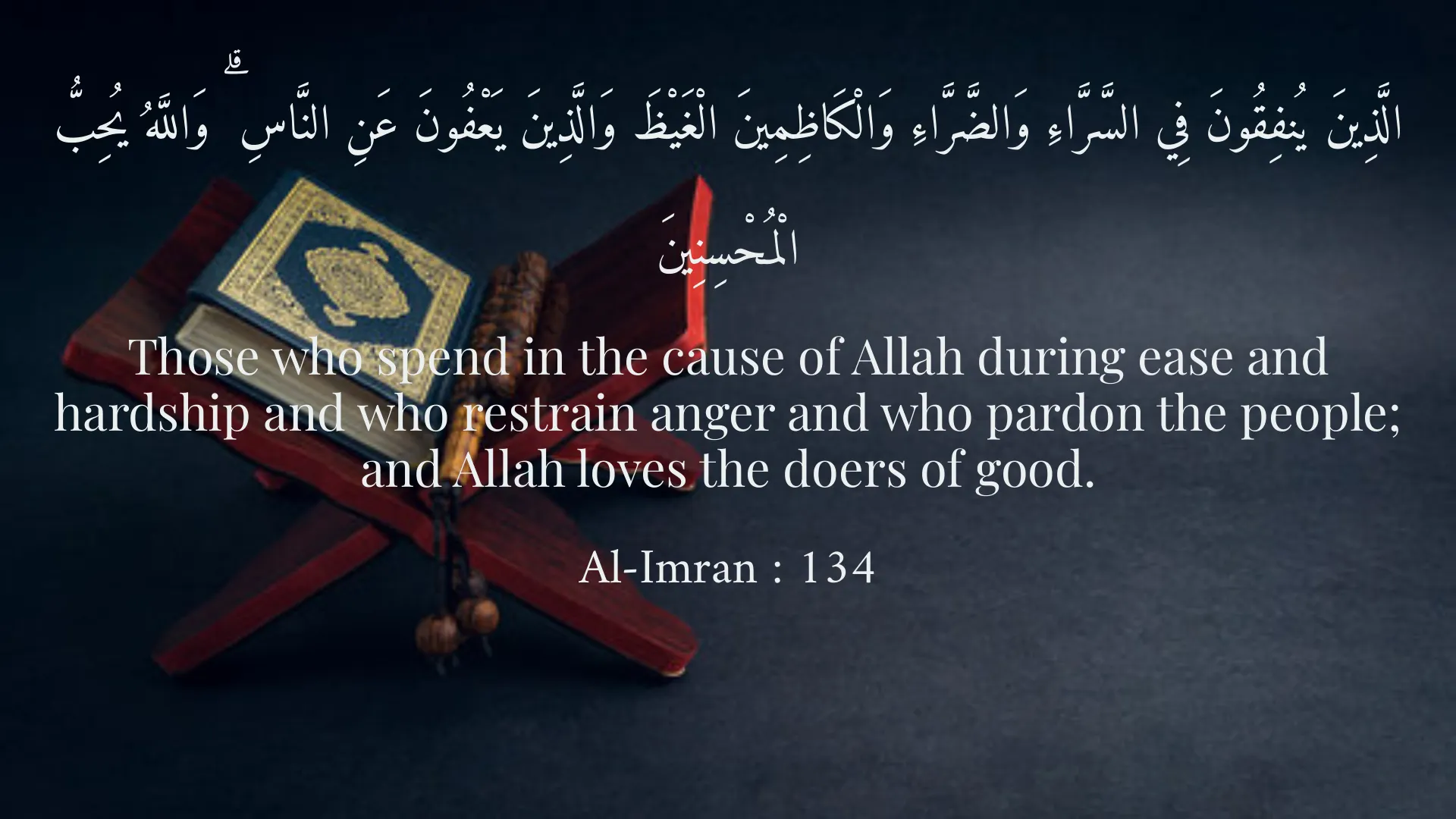
The Holy Quran, revered as the ultimate guide for Muslims, profoundly addresses the human emotions that govern everyday interactions, notably anger. In a world that often feels tumultuous and where frustrations can arise unexpectedly, the Quran provides practical advice and spiritual insight into managing such feelings. Anger, when not controlled, can lead to regrettable actions and severed relationships. Thus, the Quran's emphasis on controlling anger and embodying noble behavior is relevant not only within the context of religious adherence but also within the broader discourse on emotional intelligence. This article delves into the Quran's teachings on anger management, highlighting pertinent verses and their implications for believers. One of the most significant references regarding anger management can be found in Surah Al-Imran, verse 134: 'Those who spend in the cause of Allah during ease and hardship and who restrain anger and who pardon the people; and Allah loves the doers of good.' This verse encapsulates several essential traits that characterize true believers. At its core, this verse illustrates the importance of emotional discipline. Restraining one’s anger is not merely about suppressing it but developing the ability to respond to provocation with restraint and understanding. This reflects a higher state of consciousness and awareness, wherein one appreciates the complexities of human interactions and does not allow fleeting emotions to dictate their actions. The notion of forgiving others, as stressed in the verse, serves to promote a healthier mindset. Forgiveness fosters emotional healing, not only for the forgiven but also for the forger, thereby enhancing relationships and reducing stress and anxiety. The teachings of the Quran apply not only to individual behavior but also encompass broader social dynamics. Societal conflicts and issues often stem from unresolved anger and hostility. Thus, the call for restraint and forgiveness influences collective human interactions, advocating for peace and mutual understanding over conflict. This bears importance in addressing societal challenges where anger may provoke violence or deep-rooted divisions. By following Quranic guidance, individuals can play a pivotal role in bridging gaps and promoting harmony. In Surah Ash-Shura, verse 37, Allah emphasizes the need for calmness in facing adversities: 'And those who avoid major sins and immoralities, and when they are enraged, they forgive.' Again, the Quran addresses mankind's inclination toward anger, suggesting that avoiding major sins, which often manifest as aggression or emotional turmoil, is integral to personal growth. The call to forgive, especially when one is angry, is a profound reminder of the importance of emotional maturity. Anger, while a natural emotion, must not lead to actions that could damage oneself or others. Certainly, anger management does not imply that a person becomes passive or complacent in the face of injustice or wrongdoing. Instead, the Quran encourages individuals to respond thoughtfully and positively. Surah Fussilat, verse 34, conveys this with the instruction: 'And not equal are the good deed and the bad. Repel by that [deed] which is better...' This verse provides a strategic framework for individuals to navigate harm and hostility. Rather than reacting in kind, believers are urged to rise above negativity by compensating with goodness. This does not only serve to align with the moral teachings of the Quran but also cultivates an environment where kindness can lead to transformative change. Moreover, in Surah Al-Mu'minun, verse 96, it is stated: 'Repel the evil deed with one which is better...' This sentiment reinforces the idea of proactive engagement. When faced with anger or provocation, the preferred approach is not retaliation but a conscious decision to counteract negativity with positivity. This perspective aligns with numerous psychological insights into emotional regulation, which advocate responding with empathy and compassion as a means of conflict resolution. Additionally, in examining the Quranic verses, one realizes that the spiritual context in which these teachings are embedded adds layers of meaning. Anger is recognized as a challenge inherent to the human condition, and thus, the Quranic responses are not merely prescriptive but also serve to illuminate the deeper aspects of the human psyche and experience. The verses prompt individuals to reflect on their emotional triggers and cultivate mindfulness. The teachings of the Quran are also a call to self-reflection and self-awareness. Controlling anger is not an isolated task but rather part of a broader journey toward becoming the most virtuous version of oneself. By continuously engaging with these guidelines, individuals can aspire to establish a character that resonates with patience, forgiveness, and understanding. The Quran discusses various emotional states as part of human development, guiding believers through intellectual and spiritual growth. This understanding is essential to cope with emotions in a world where anger may erupt due to various stimuli. Furthermore, integrating the Quranic approach to anger management into daily life can yield numerous benefits. Developing the ability to manage anger can enhance personal relationships, improve mental health, and foster community well-being. Such an approach aligns with contemporary discussions surrounding emotional intelligence, wherein recognizing and regulating one’s emotions plays a fundamental role in building successful relationships personally and professionally. Ultimately, the Quran serves as a timeless guide in managing anger effectively. Its teachings outline strategies deeply rooted in the ideals of forgiveness, kindness, and self-restraint. Not only does it provide spiritual enrichment, but it also emphasizes practical approaches to navigate one’s emotional landscape, encouraging believers to rise to higher standards of interaction. In today's world, where anger often translates to divisiveness and conflict, the Quran's exhortation to control anger and foster positive action through forgiveness presents an essential pathway towards personal tranquility and societal harmony. In conclusion, the wisdom encapsulated in the Holy Quran presents an outstanding framework that promotes the significance of controlling one’s anger and responding with compassion and understanding. This enriches the lives of believers, equipping them with the tools necessary to navigate the intricacies of human emotions successfully, fostering peace both within themselves and in their communities.
Related Verses
الَّذِينَ يُنفِقُونَ فِي السَّرَّاءِ وَالضَّرَّاءِ وَالْكَاظِمِينَ الْغَيْظَ وَالَّذِينَ يَعْفُونَ عَنِ النَّاسِ ۗ وَاللَّهُ يُحِبُّ الْمُحْسِنِينَ
Those who spend in the cause of Allah during ease and hardship and who restrain anger and who pardon the people; and Allah loves the doers of good.
Al-Imran : 134
وَالَّذِينَ يَسْتَجِيبُونَ لِرَبِّهِمْ وَيُقِيمُونَ الصَّلَاةَ وَأَمْرُهُمْ شُورَىٰ بَيْنَهُمْ وَمِمَّا رَزَقْنَاهُمْ يُنفِقُونَ
And those who respond to [the] lord and establish prayer and whose affair is [determined by] consultation among themselves, and from what We have provided them, they spend.
Ash-Shura : 37
وَلَا تَسْتَوِي الْحَسَنَةُ وَلَا السَّيِّئَةُ ۚ ادْفَعْ بِالَّتِي هِيَ أَحْسَنُ
And not equal are the good deed and the bad. Repel by that [deed] which is better.
Fussilat : 34
Short Story
Once upon a time, two friends went to the market. One of them became angry over a minor issue and was ready to shout at his friend. However, the other friend remembered the verses of the Quran and calmly said, 'Let’s apologize instead of fighting each other.' This statement led them to put aside their anger and forgive each other, ultimately strengthening their friendship more than ever.