Quranic Answer
The Holy Quran, the sacred text of Islam, serves as a moral guide and a source of divine wisdom for millions of believers around the world. Within its verses, Allah explicitly communicates His sentiments towards various groups of people, especially concerning their faith and actions. Among these groups, individuals who display hypocrisy and duplicity in their beliefs are particularly notable. Allah addresses this issue in multiple verses, where He makes it clear that such behavior is abhorrent in His eyes. One of the striking examples can be found in Surah Al-Baqarah, verses 8-9. Here, Allah states, ‘And among the people are some who say, “We believe in Allah and the Last Day,” but they are not believers. They think to deceive Allah and those who believe, but they deceive not except themselves and perceive it not.’ This verse illustrates a critical aspect of faith: the importance of sincerity and honesty in one’s belief system. When individuals claim to believe in Allah but manifest a lack of true faith in their actions, they are not merely deceiving others; they are engaging in self-deception, which leads them far from the path of righteousness. Such hypocrisy does not only provoke Allah’s displeasure; it fundamentally undermines the essence of faith itself. The Quran encourages believers to strive for authenticity in their spiritual journey, avoiding the pitfalls of duplicity. By distancing Himself from individuals who practice deceitful behavior, Allah reaffirms the importance of genuine commitment to Him and His teachings. This call for authenticity extends to all aspects of a believer's life, urging them to cultivate a sincere relationship with their Creator. Another significant aspect that incurs Allah's displeasure is the neglect of His commandments. In verse 47 of Surah Al-Ma'idah, Allah articulates His discontent towards those who disregard His signs and fail to recognize the profound truths presented to them: 'Indeed, those who disbelieve in Allah and His messengers and wish to make distinction between Allah and His messengers are truly disbelievers.' This verse challenges believers to reflect upon their recognition and acceptance of divine guidance. It emphasizes the importance of believing in both Allah and the messengers He has sent, as distinguishing between them undermines the very foundation of faith. Neglecting the divine commandments can lead to a dangerous path of disbelief and disconnection from Allah’s message. This verse serves as a reminder for the faithful to remain steadfast and attentive to the teachings of their faith, to acknowledge the messages passed down through generations, and to integrate these messages into their daily lives. A genuine believer should strive to connect with both Allah and His messengers, acknowledging their roles and significance in shaping one’s understanding of faith. Moreover, arrogance and greed are also factors that evoke Allah’s displeasure. This theme is echoed in verse 32 of Surah Al-Imran, where Allah commands, 'Say, “If you should love Allah, then follow me, so Allah will love you and forgive you your sins. And Allah is Forgiving and Merciful.”' In this verse, the link between following divine guidance and earning Allah’s love is made clear. Those who remain arrogant and greedy are often blinded by their own desires, causing them to stray from the teachings that lead to true fulfillment and contentment. Arrogance can manifest in various ways, including the refusal to submit to Allah’s will or disregarding the teachings of the Quran. Such behavior not only displeases Allah but also creates a barrier between the individual and their Lord. The Quran repeatedly calls believers to practice humility, to recognize their dependence on Allah’s mercy, and to act with compassion and integrity towards others. Finally, the Quran highlights Allah’s displeasure towards those who fail to act upon its teachings and do not make an effort to strive in His way. This concept is integral to the overall message of the Quran: that faith must be accompanied by action. Believers are not only required to profess their faith; they must also embody it through their deeds. Neglecting to do so can lead to a disconnect from righteousness and a failure to fulfill one’s spiritual obligations. This is reminiscent of the Hadith, where the Prophet Muhammad (peace be upon him) emphasized that actions are judged by intentions, and those who claim faith must demonstrate their commitment through their actions. In conclusion, Allah’s displeasure is directed towards various groups of people, including those who exhibit hypocrisy, neglect His commandments, display arrogance, and fail to act upon the teachings of the Quran. The Holy Quran serves as a guide, instructing believers on how to maintain a sincere faith, recognize and follow divine commandments, embody humility, and act in accordance with Allah’s will. By understanding and addressing these aspects of our faith, we can strive to cultivate a deeper and more meaningful relationship with Allah, ultimately seeking His pleasure and forgiveness. It is through sincerity in belief and consistent action that we can align ourselves with the divine teachings and achieve spiritual fulfillment.
Related Verses
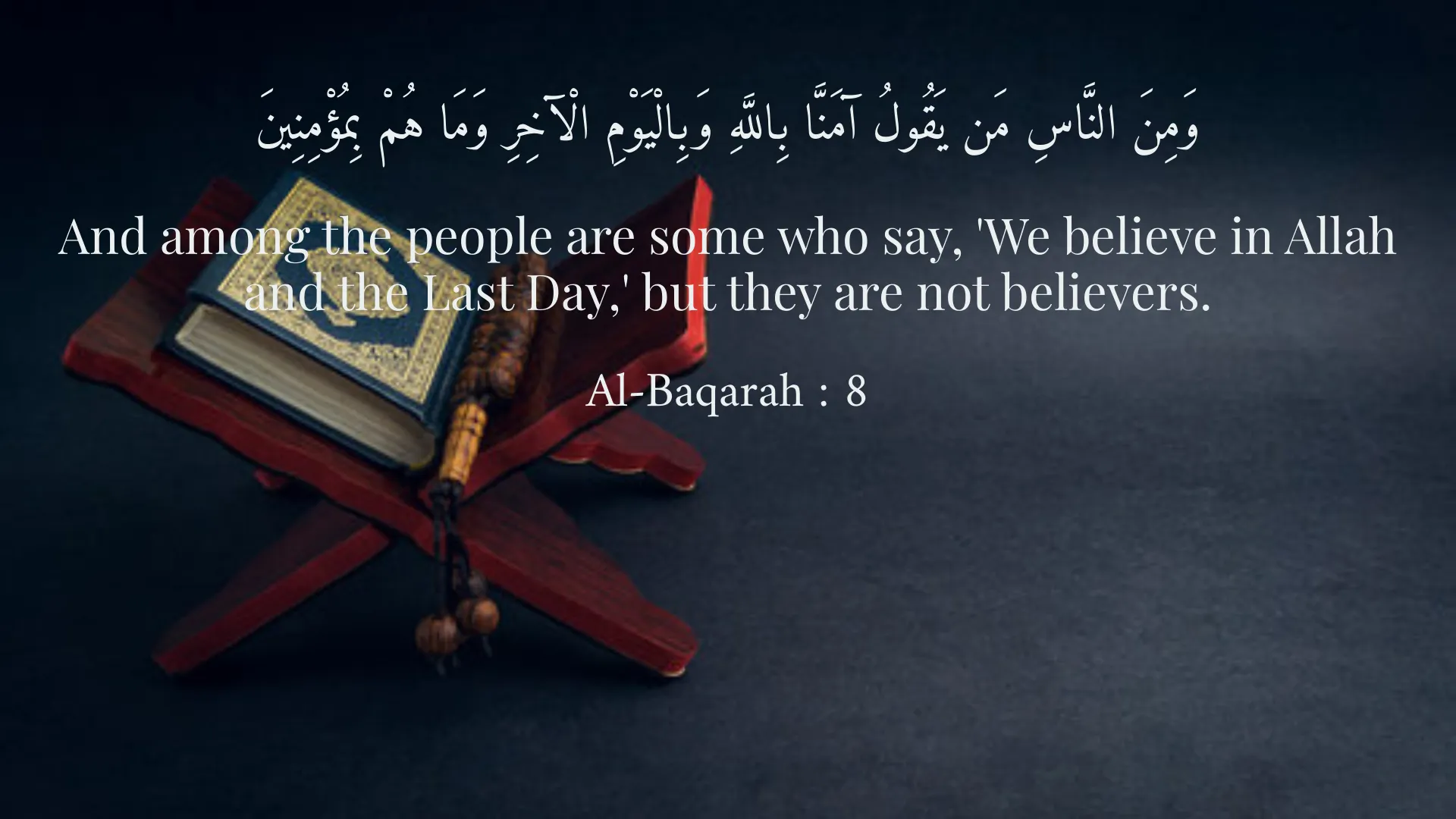
وَمِنَ النَّاسِ مَن يَقُولُ آمَنَّا بِاللَّهِ وَبِالْيَوْمِ الْآخِرِ وَمَا هُمْ بِمُؤْمِنِينَ
And among the people are some who say, 'We believe in Allah and the Last Day,' but they are not believers.
Al-Baqarah : 8
إِنَّ الَّذِينَ كَفَرُوا بِاللَّهِ وَرُسُلِهِ وَيُرِيدُونَ أَن يُفَرِّقُوا بَيْنَ اللَّهِ وَرُسُلِهِ أُو۟لَـٰئِكَ هُمُ الْكَافِرُونَ حَقًّا.
Indeed, those who disbelieve in Allah and His messengers and wish to make distinction between Allah and His messengers are truly disbelievers.
Al-Ma'idah : 47
قُلْ إِن كَانَ آبَاؤُكُمْ وَأَبْنَاؤُكُمْ وَإِخْوَانُكُمْ وَأَزْوَاجُكُمْ وَعَشِيرَتُكُمْ وَأَمْوَالٌ اقْتَرَفْتُمُوهَا وَتِجَارَةٌ تَخْشَوْنَ كَسَادَهَا وَمَسَاكِنُ تَرْضَوْنَهَا أَحَبَّ إِلَيْكُمْ مِّنَ اللَّهِ وَرَسُولِهِ وَجِهَادٍ فِي سَبِيلِهِ فَتَرَبَّصُوا حَتَّى يَأْتِيَ اللَّهُ بِأَمْرِهِ ۚ وَاللَّهُ لَا يَهْدِي الْقَوْمَ الْفَاسِقِينَ
Say, 'If your fathers, your sons, your brothers, your wives, your relatives, the wealth which you have obtained, and the commerce in which you fear decline, and the dwellings in which you delight are more beloved to you than Allah and His Messenger and jihad in His cause, then wait until Allah executes His command. And Allah does not guide the defiantly disobedient people.'
Al-Imran : 32
Short Story
One day, a man named Ali known for his piety and devotion gathered with his friends. He noticed that some of them were overly focused on worldly matters and fleeting pleasures. He recalled the verses of the Quran and said to them, 'O people! We must remember that striving for Allah's pleasure and obeying Him should be our top priority.' His friends listened to him attentively and learned from him to avoid the distractions from the world that hinder their path towards God.