Quranic Answer
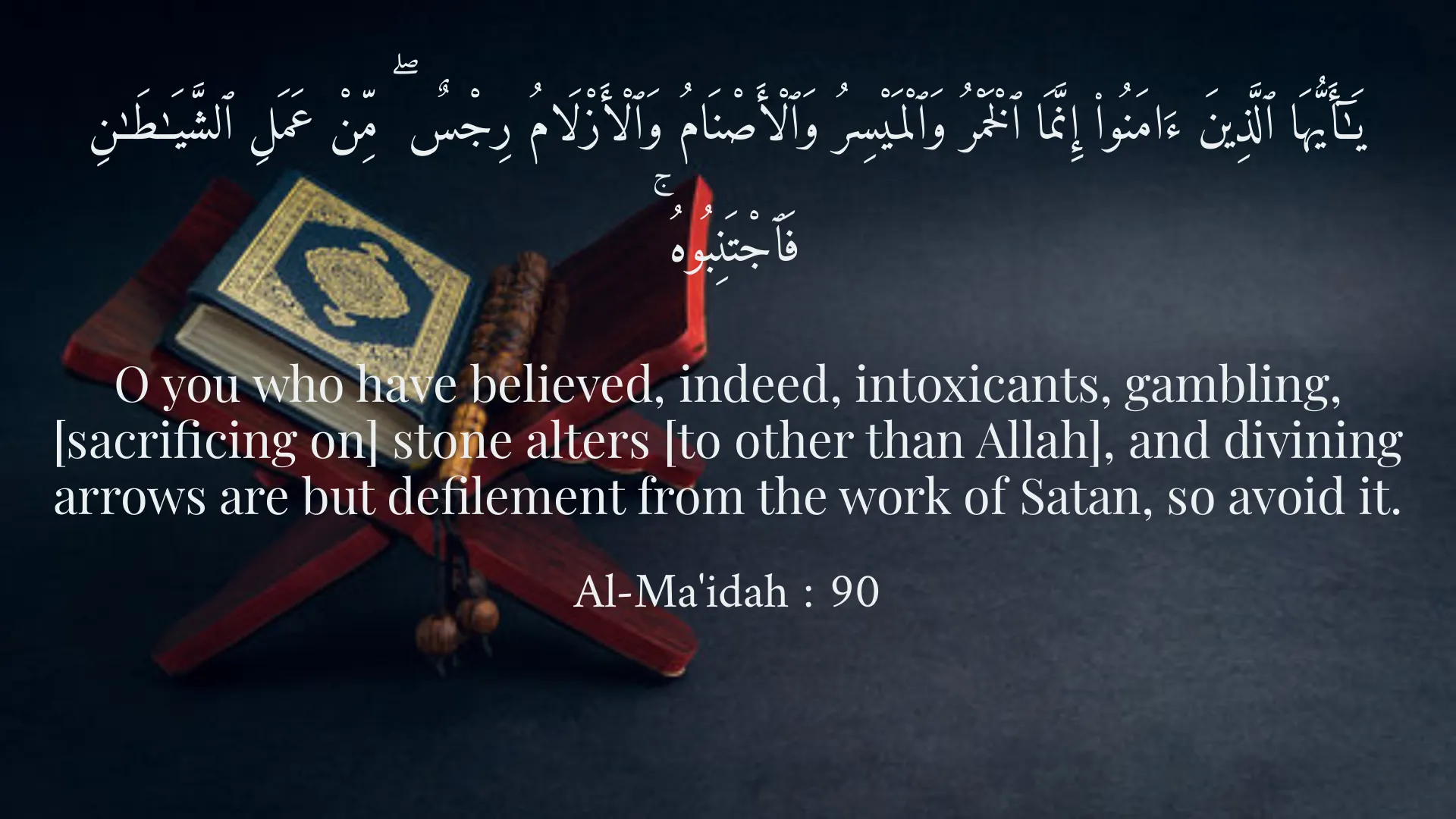
The allure of sin for humans is a complex and multifaceted topic that has been extensively addressed in various religious texts, with the Holy Quran providing profound insights into the nature of sin and temptation. In Surah Al-Ma'idah, verse 90, Allah states: 'O you who have believed, indeed, intoxicants, gambling, [sacrificing on] stone alters [to other than Allah], and divining arrows are but defilement from the work of Satan, so avoid it.' This verse emphatically highlights that worldly temptations and fleeting pleasures can lead people to sin and vice, warning believers of the perils of indulging in sinful behavior. The Quran categorically describes intoxicants and gambling as abominations, pointing to their potential to lead individuals astray from the righteous path. These temptations serve as distractions and can sever one's connection with the divine, leading to a range of negative consequences both for individuals and their communities. The pull towards these vices is often reinforced by social contexts and peer pressures, which can make it increasingly difficult for one to maintain their faith and moral integrity. One of the main reasons for the attraction to sin is the concept of the sinful soul, referred to as 'nafs al-ammarah,' which is an inherent part of human nature that inclines individuals towards committing undesirable acts. In Surah Yusuf, verse 53, it is mentioned: 'And I do not exonerate myself. Indeed, the soul commands to evil.' This verse resonates deeply with believers, illustrating the constant struggle within oneself between righteousness and the seductive nature of sinful inclinations. Human beings are urged to recognize this inner battle and understand that the command of the soul can lead to actions that distance them from God. The need to control the soul and cultivate piety in the face of temptations is of great importance in the spiritual life of a believer. Temptations often come in various forms, from addiction to substances like alcohol to engaging in destructive behaviors such as gambling. These actions not only have personal consequences but also impact the broader community. The call for self-discipline and avoidance of sinful tendencies is apparent in numerous teachings within the Quran. Moreover, the environment and surroundings play a significant role in influencing one's behavior. Gathering with bad companions and living in a negative environment can amplify the tendency to sin. The company one keeps can either uplift or ruin their morals and values, emphasizing the need for individuals to seek out and foster relationships with those who encourage them in their faith. Engaging with companions who share similar values can provide a protective barrier against temptations and the allure of vice. This sentiment is echoed in the teachings of the Quran, as the faithful are reminded to surround themselves with virtuous individuals who motivate them to remain steadfast in their beliefs. In Surah Al-Anfal, verse 24, it states: 'O you who have believed, respond to Allah and to the Messenger when he calls you to that which gives you life.' This verse underscores the importance of actively seeking divine guidance and anchoring oneself in faith, especially in the face of adversity and temptation. As believers navigate the landscape of life's temptations, the guidance of the Quran becomes an invaluable resource. Divine advice serves not just as a cautionary tale but as a roadmap for living a life aligned with righteousness and purity. The teachings encourage individuals to prioritize their spirituality and wellbeing, steering clear of sin and corruption. In Surah Al-Baqarah, verse 168, it is asserted: 'O mankind, eat from whatever is lawful and good on earth.' This verse encourages people to seek what is pure and lawful while avoiding the snares of sin that may lurk in their choices. Practicing self-purification and striving for moral integrity requires a concerted effort on the part of every believer. It is a continuous journey that entails regular introspection, self-monitoring, and the cultivation of virtues that align with the teachings of the Quran. Faith and piety act as guiding lights, directing individuals towards actions and decisions that honor their commitments to Allah and the principles of Islam. Furthermore, the concept of repentance (Tawbah) is a crucial aspect of the Islamic faith, reminding believers that while they are prone to sin due to their flawed nature, they always have the opportunity to seek forgiveness and return to a state of righteousness. This idea is beautifully encapsulated in Surah Al-Furqan, verse 70, which states: 'Except for those who repent, believe and do righteous work. For them Allah will replace their evil deeds with good. And ever is Allah Forgiving and Merciful.' Repentance not only allows individuals to cleanse themselves of past transgressions but also serves as a means to foster a deeper relationship with Allah. In conclusion, the allure of sin represents a significant challenge that all individuals face, with the Quran offering both warnings and solutions to navigate these temptations. By acknowledging the sinful soul and the influence of one's environment, believers are encouraged to take proactive steps towards self-purification and righteousness. The teachings of the Quran call upon individuals to seek divine guidance, choose virtuous companions, and refrain from corrupting influences. In doing so, believers can foster a life of integrity, one that is pleasing to Allah and beneficial to society at large.
Related Verses
يَـٰٓأَيُّهَا ٱلَّذِينَ ءَامَنُوا۟ إِنَّمَا ٱلْخَمْرُ وَٱلْمَيْسِرُ وَٱلْأَصْنَامُ وَٱلْأَزْلَامُ رِجْسٌ ۖ مِّنْ عَمَلِ ٱلشَّيَٰطَـٰنِ فَٱجْتَنِبُوهُ ۚ
O you who have believed, indeed, intoxicants, gambling, [sacrificing on] stone alters [to other than Allah], and divining arrows are but defilement from the work of Satan, so avoid it.
Al-Ma'idah : 90
وَمَا أُبَرِّئُ نَفْسِي ۖ إِنَّ النَّفْسَ لَأَمَّارَةٌ بِالسُّوءِ إِلَّا مَا رَحِمَ رَبِّي ۚ إِنَّ رَبِّي غَفُورٌ رَّحِيمٌ
And I do not exonerate myself. Indeed, the soul commands to evil, except those upon which my Lord has mercy. Indeed, my Lord is Forgiving and Merciful.
Yusuf : 53
يَـٰٓأَيُّهَا ٱلنَّاسُ كُلُوا۟ مِمَّا فِى ٱلْأَرْضِ حَلَالًۭا طَيِّبًۭا ۖ وَلَا تَتَّبِعُوا۟ خُطُوَاتِ ٱلشَّيَٰطَانِ ۚ إِنَّهُ ۥ لَكُمْ عَدُوٌّ مُّبِينٌ
O mankind, eat from whatever is lawful and good on earth, and do not follow the footsteps of Satan. Indeed, he is to you a manifest enemy.
Al-Baqarah : 168
Short Story
One day, a young man named Amir was thinking about how to deal with the temptations of sin. He referred to the Quran and read the verses concerning sin. After a while, he realized that the Quranic verses showed him the only way to salvation. He decided to strengthen his faith and distance himself from bad companions to pursue the right path. By practicing daily prayer and learning the meanings of verses, Amir found greater peace in his life and no longer fell into sin.