Quranic Answer
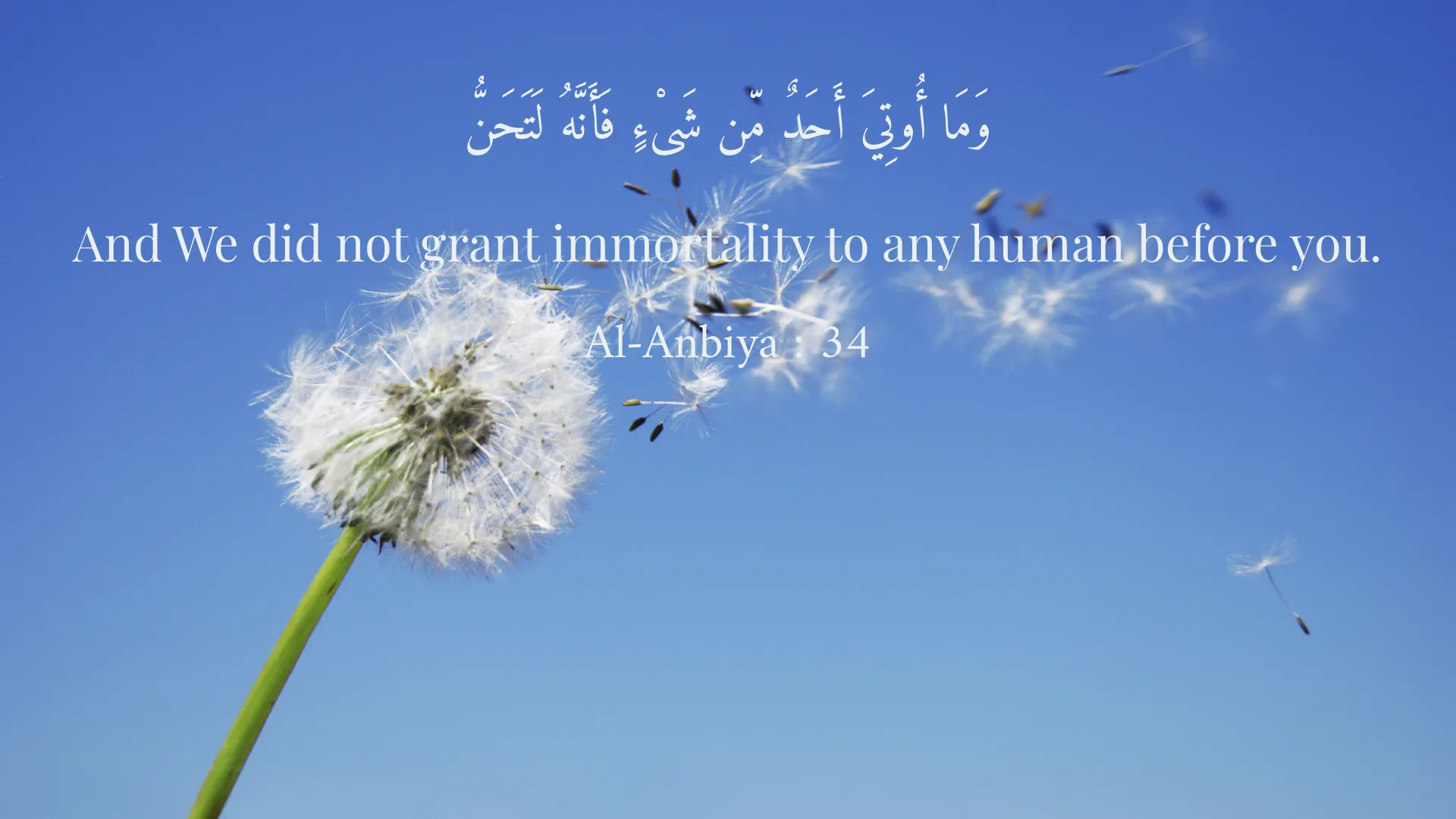
In the Holy Quran, the concept of ingratitude is addressed with clarity and emphasis, highlighting its disapproval in various forms. The fundamental principles of gratitude and ingratitude are interwoven into the ethics of Islamic teachings, portraying an intricate relationship between human behavior and divine expectations. This article aims to explore the meaning of ingratitude as presented in the Quran, its implications, and how various factors can lead individuals to overlook the blessings bestowed upon them, all while providing insights into the broader consequences of such attitudes. In Surah Al-Anbiya, verse 34, Allah states: 'And We did not grant immortality to any human before you.' This profound verse serves as a reminder that life is transient and that human beings are bound to face mortality. The transient nature of life often leads individuals to an innate dissatisfaction, particularly during challenging times. When humans contemplate their inevitable mortality, it can lead them to focus excessively on their problems and grievances, resulting in ingratitude. The Quran does not only highlight this issue; it actively admonishes individuals for failing to appreciate the numerous blessings in their lives. Moreover, it emphasizes that ungratefulness is a detrimental attitude that distances individuals from God's mercy and blessings. Another significant verse that addresses the consequences of ingratitude is found in Surah Ibrahim, verse 7: 'And [mention] when your Lord proclaimed: 'If you are grateful, I will surely increase your favor upon you.' This verse underscores the reciprocal relationship between gratitude and abundance. Allah conveys a divine promise that gratitude will lead to an increase in blessings. This notion is critical, as it illustrates that recognizing and appreciating the gifts one has can alter the very nature of one's experiences. When individuals focus on what they lack instead of acknowledging their blessings, they become entrapped in a cycle of dissatisfaction. This cycle of ingratitude can often spiral, leading to the perception that one’s life is devoid of abundance, even when it is replete with blessings. In daily life, various emotional and situational factors contribute to ingratitude. For instance, the pressures stemming from societal expectations, economic challenges, or personal hardships can overshadow the more profound, positive elements of life. When an individual is confronted with financial difficulties, the inclination to overlook past blessings becomes prevalent. Memories of security and abundance may fade as stress and anxiety dominate one’s thoughts. In such moments, the notion of gratitude risks being overshadowed by despair, as individuals may forget their previous successes and the enjoyment of their past blessings. The Quran teaches that ingratitude does not solely diminish one’s spiritual relationship with God; it also detracts from one’s mental health and overall societal well-being. The implications of ingratitude extend beyond mere dissatisfaction; they reach into the core of our human interactions and societal structures. Research suggests that individuals who practice gratitude exhibit improved psychological health, increased empathy, and positive social behavior. Gratitude fosters a sense of contentment, making individuals less likely to engage in negative comparisons with others, which can exacerbate feelings of inadequacy and unhappiness. Conversely, those who remain entrenched in ingratitude may exhibit higher levels of anxiety, depression, and social isolation. Furthermore, the relationship between gratitude and well-being is particularly salient within the context of community and family structure. Individuals who actively practice gratitude not only experience personal benefits, but they also positively influence those around them. A grateful demeanor can cultivate an atmosphere of thankfulness and appreciation, further reinforcing communal support and reducing feelings of neglect and resentment. Families that prioritize expressions of gratitude tend to foster resilient and interconnected relationships among their members, which is foundational for a supportive community. Thus, it can be posited that the Quran's teachings regarding ingratitude direct individuals to reflect on their circumstances and cultivate a mindset that recognizes abundance amidst adversities. Recognizing the blessings in life, no matter how small, can alter an individual's outlook, engender contentment, and promote well-being. It is not merely a spiritual exercise; it serves as an essential mental health practice that encourages an optimistic view of life. In conclusion, the concept of ingratitude as outlined in the Quran emphasizes a profound understanding of human nature, providing insight into the complexities of emotional response to life's challenges. It illustrates the significance of gratitude as a counterbalance to ingratitude, serving as both a spiritual practice and a means of psychological resilience. By acknowledging the blessings that permeate daily life, individuals can foster a more profound connection with the divine, enhance their mental well-being, and contribute positively to their communities. Ultimately, the lessons of the Quran beckon humanity to embrace thankfulness, transforming the experience of life into one of abundance and joy, rather than despair and scarcity.
Related Verses
وَمَا أُوتِيَ أَحَدٌ مِّن شَیْءٍ فَأَنَّهُ لَتَحَنُّ
And We did not grant immortality to any human before you.
Al-Anbiya : 34
وَإِذْ تَأَذَّنَ رَبُّكُمْ لَئِن شَكَرْتُمْ لَأَزِيدَنَّكُمْ
And [mention] when your Lord proclaimed: 'If you are grateful, I will surely increase your favor upon you.'
Ibrahim : 7
Short Story
One day, a man was sitting tired and despondent in an alley, thinking of the blessings he had. He told himself: 'Why am I so worried?' Then he recalled the Quranic verses that said: 'If you are grateful, I will surely increase your favor upon you.' From that day forth, he decided to focus on the positives he had each day and practice gratitude.