Quranic Answer
Temptation and Deception: Understanding Their Nature Through the Lens of the Holy Quran The Holy Quran is a profound text that addresses a multitude of human questions and concerns, providing insightful answers rooted in divine wisdom. Among the various topics it covers, one particularly significant aspect pertains to how temptation and deception infiltrate human lives. This phenomenon is portrayed not merely as an incidental challenge but as a fundamental part of the tests and trials ordained by God for humanity. The Quran navigates these complex issues with clarity, urging believers to recognize the distinction between divine guidance and the misleading whispers of malice. At the core of this discussion lies the notion that temptation is a natural occurrence, integral to the human experience. From the stories of the prophets to the teachings of righteous individuals, the Quran consistently illustrates how temptation serves as a test from Allah. It is through these trials that humanity's patience, resilience, and faith are measured. In this regard, Surah Al-Baqarah, verse 168, offers a poignant reminder: "O you who have believed, eat from the good things We have provided for you and be grateful to Allah, if it is [indeed] Him that you worship. And do not follow the footsteps of Satan. Indeed, he is to you a manifest enemy." This verse encapsulates the dual call to gratitude for the blessings bestowed upon us and a stern warning against succumbing to the deceitful tactics employed by Satan. Temptation often manifests in myriad forms: negative thoughts, harmful influences, or direct invitations to partake in sinful acts. The Quran does not shy away from discussing the realities of these hardships; instead, it confronts them head-on. It explicitly mentions that Satan is an unequivocal enemy to humans, whose primary aim is to lead us astray from the path of righteousness. Recognizing this adversarial relationship is pivotal, as it empowers believers to seek protection and refuge in Allah. As elaborated in Surah Al-Falaq and Al-Nas, we are encouraged to seek divine assistance against the insidious whispers that seek to corrupt our hearts and minds. These chapters serve as a reminder that individuals are not alone in their struggles; they have a protector and a guide in their Creator. The presence of temptation is emblematic of Satan's relentless influence over humanity. It represents a challenge that must be faced with patience and resilience. Each temptation encountered can serve as a moment of reflection, as believers are invited to strengthen their resolve and deepen their connection with Allah. Furthermore, the Quran establishes a significant link between the choices believers make and their ultimate success or failure. In Surah Al-Ma'idah, verse 90, Allah advises, "O you who have believed, indeed, intoxicants, gambling, [sacrificing on] stone alters [to other than Allah], and divining arrows are but defilement from the work of Satan, so avoid it that you may be successful." Here, the emphasis is placed on the necessity of avoiding the deceptions orchestrated by Satan to preserve purity and integrity. As we navigate the complexities of existence, it becomes essential for individuals to strive for goodness and adhere to the commandments laid out by Allah. This commitment to righteous living is not merely about abstaining from wrongdoings; it also entails an active pursuit of virtue, compassion, and understanding. By fostering an awareness of the subtleties of temptation, believers can engage in a more profound, conscious effort to align themselves with the divine will. Recognizing that temptations serve as tests we must endure with unwavering faith encourages an empowered mindset, allowing individuals to see challenges as opportunities for growth. Additionally, the Quran highlights the role of community and support in overcoming temptation. Together, believers can fortify one another against the struggles posed by both internal and external sources of negativity. Supportive relationships grounded in faith and mutual respect can provide the encouragement individuals need when faced with temptation. Portraying an image of unity, the collective strength of believers enhances resilience against the lures of deception. Temptation, while an inevitable aspect of human life, does not signify defeat. Instead, when viewed through the lens of faith, it can emerge as a catalyst for spiritual development. Each instance of temptation presents an opportunity to reaffirm one’s commitment to God and clarify one’s values and intentions. The Quran’s elucidation of Satan’s role as a deceiver serves as a constant reminder to remain vigilant against his machinations. By committing to a path of righteousness and seeking guidance from credible sources, believers can find the strength to resist temptation while staying anchored in gratitude and devotion. In conclusion, the Holy Quran offers profound insights into the nature of temptation and deception, framing these elements as integral aspects of human existence that invite deeper spiritual engagement. Through the verses of the Quran, believers are urged to recognize the deceptions of Satan while relying on the strength that faith provides. The dual message of avoiding temptation and cultivating gratitude serves as a guiding principle, emphasizing that through trial, patience, and steadfastness, spiritual success is attainable. Thus, it becomes imperative for individuals to embrace these teachings and navigate their lives with mindfulness, securing a connection with the divine while successfully traversing the inevitable challenges of temptation.
Related Verses
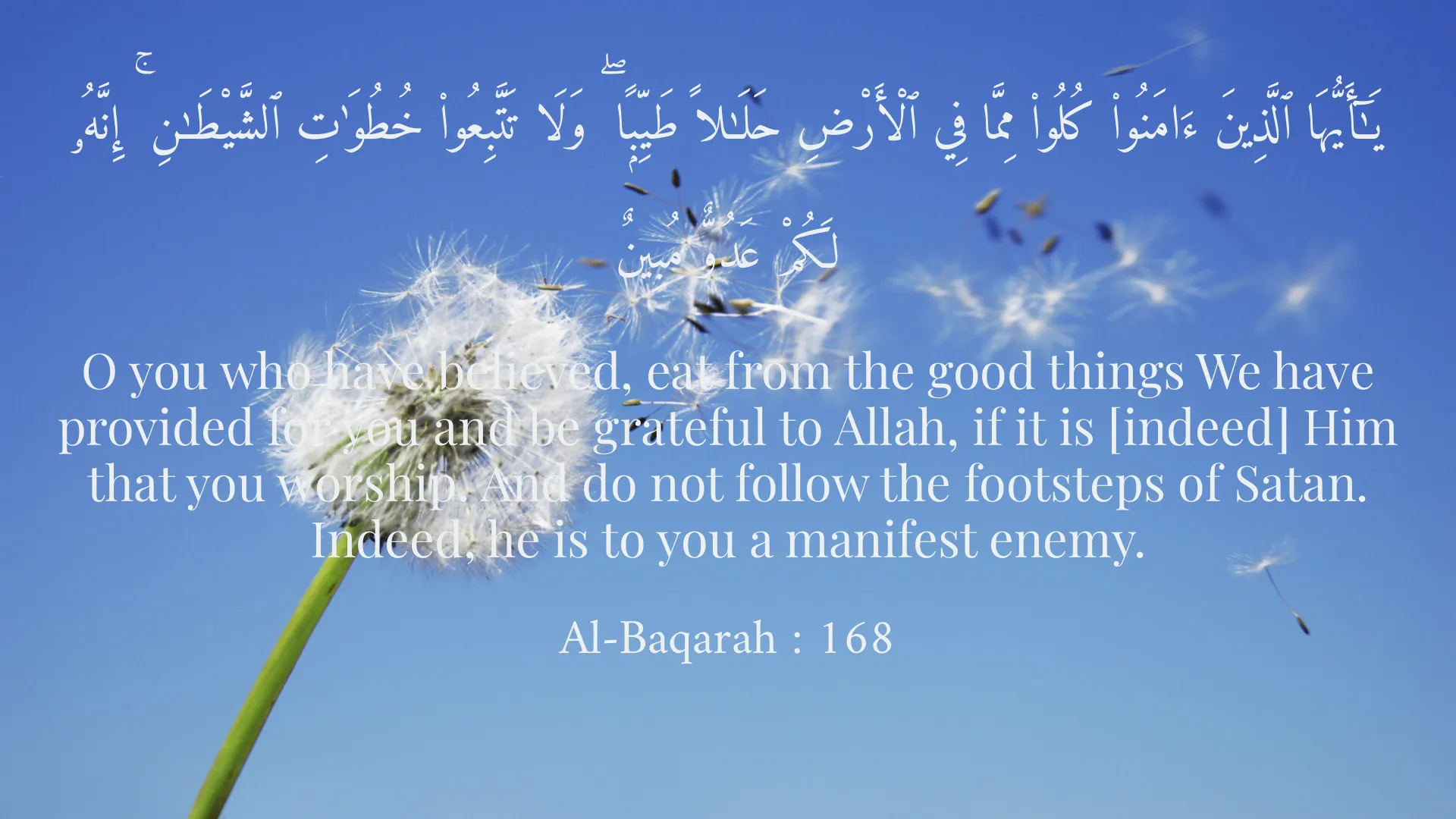
يَٰٓأَيُّهَا ٱلَّذِينَ ءَامَنُوا۟ كُلُوا۟ مِمَّا فِي ٱلْأَرْضِ حَلَٰلاً طَيِّبًۭا ۖ وَلَا تَتَّبِعُوا۟ خُطُوَٰتِ ٱلشَّيْطَـٰنِ ۚ إِنَّهُۥ لَكُمْ عَدُوٌّ مُبِينٌ
O you who have believed, eat from the good things We have provided for you and be grateful to Allah, if it is [indeed] Him that you worship. And do not follow the footsteps of Satan. Indeed, he is to you a manifest enemy.
Al-Baqarah : 168
يَـٰٓأَيُّهَا ٱلَّذِينَ ءَامَنُوا۟ إِنَّمَا ٱلْخَمْرُ وَٱلْمََيْسِرُ وَٱلْأَنصَابُ وَٱلْأَزْلَامُ رِجْسٌ مِّنْ عَمَلِ ٱلشَّيْطَانِ فَٱجْتَنِبُوهُ لَعَلَّكُمْ تُفْلِحُونَ
O you who have believed, indeed, intoxicants, gambling, [sacrificing on] stone alters [to other than Allah], and divining arrows are but defilement from the work of Satan, so avoid it that you may be successful.
Al-Ma'idah : 90
Short Story
Once upon a time, a man named Hassan was sitting in the marketplace, pondering his life. He constantly thought about the temptations around him and how they affected his life. Suddenly, a man passed by and recited several verses from the Quran aloud. Hassan was inspired and realized he needed to remember to stay away from temptations and focus on his faith and resilience. He decided to keep God in mind and seek refuge in Him to stay away from satanic whispers and guide his life on the right path.