Quranic Answer
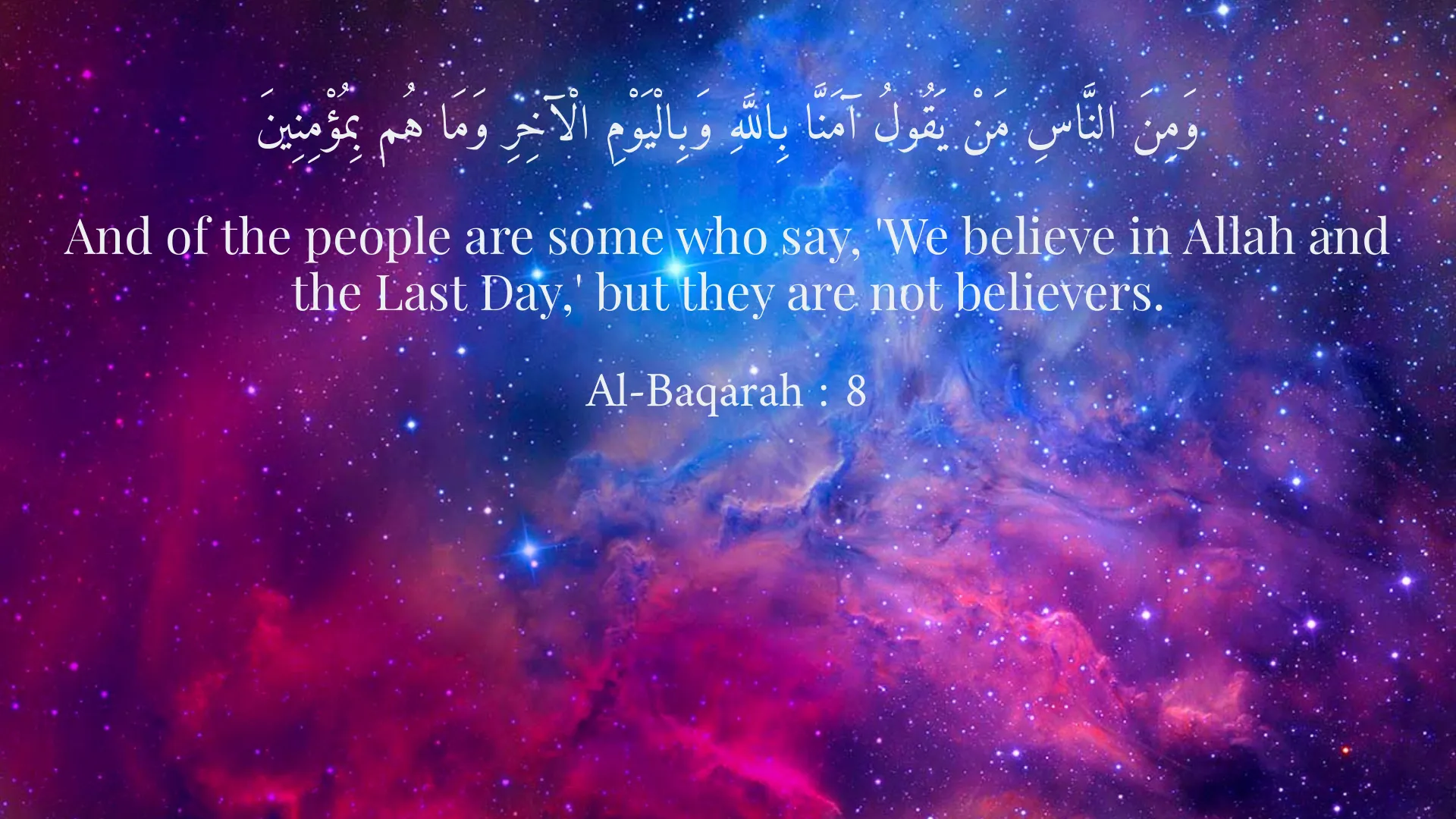
Hypocrisy and dishonesty are problematic traits discussed within the pages of the Holy Quran. These topics not only reflect the moral and ethical standards of society but also illuminate the complexities of human behavior. Defined as a lack of sincerity in faith and actions, hypocrisy is a social malady that affects individuals and communities alike. Various reasons may lead individuals to engage in hypocritical behavior, and the Quran provides rich insights into these motivations. One fundamental reason behind hypocrisy is the human desire for attention and social approval. In today's world, where social media and public perception play significant roles in shaping identities, the urge to conform to societal expectations can often lead individuals away from genuine beliefs. They may resort to superficial expressions of faith as a means to fit in or gain acceptance from others, stretching the boundaries of honesty and integrity. The Quran addresses this issue transparently. For instance, in Surah Al-Baqarah, verse 8, Allah states: 'And of the people are some who say, 'We believe in Allah and the Last Day,' but they are not believers.' This verse encapsulates the essence of hypocrisy, revealing that individuals may claim faith outwardly while internally rejecting it. These individuals often join religious groups not for spiritual fulfillment but rather for appearances, demonstrating an alarming detachment from genuine belief. This highlights an important truth: faith must be rooted deeply within oneself instead of being merely a social performance. Another noteworthy mention of hypocrisy occurs in Surah Al-Ma'idah, verse 41, where Allah warns believers: 'O you who have believed, do not take those who take your religion in ridicule and amusement from among those who were given the Scripture before you and the disbelievers as allies.' This admonition reveals the importance of surrounding oneself with individuals who uphold sincere beliefs. Straying from genuine believers and aligning with those who mock religion can lead to moral decay and a further perversion of faith. The Quran does not merely identify the issues associated with hypocrisy; it provides guidance on how to combat these destructive tendencies. One of the essential lessons derived from these verses is the importance of establishing a sincere relationship with Allah. When individuals nurture their faith and strengthen their bonds with God, they cultivate an authentic sense of belief that naturally resists the allure of hypocrisy. Engaging in regular prayers, seeking knowledge, and building a community of sincere believers can fortify one’s faith, creating a formidable barrier against insincerity. Additionally, the Quran encourages self-reflection and accountability. Believers are urged to examine their intentions and actions regularly. Are they being honest in their expressions of faith? Are they aligning their actions with their beliefs? This internal audit is crucial in fostering a conscientious approach towards one’s beliefs and actions. Individuals must acknowledge their weaknesses and actively strive to overcome them through continual self-improvement and dedication to their faith. Moreover, the contrast drawn between sincere believers and hypocrites in these Quranic verses underscores the significance of character in Islam. Integrity, honesty, and authenticity are paramount qualities that every Muslim is encouraged to embody. A sincere believer’s actions should reflect their inner convictions, serving as a testament to their faith. By living in accordance with their beliefs, individuals can inspire those around them, creating a ripple effect that promotes honesty and integrity within their communities. In conclusion, hypocrisy is a multifaceted issue deeply rooted in societal dynamics and personal insecurities. The Holy Quran provides comprehensive insights into the nature of hypocrisy and offers guidance on how to avoid it through strengthening one's relationship with Allah and nurturing sincere intentions. By focusing on authenticity and integrity, believers can rise above the trivial desires for social acceptance and cultivate a genuine faith that resonates within their hearts. As the Quran teaches, vulnerability and weakness in one's faith can lead to hypocrisy; therefore, individuals must strive to foster a robust and sincere relationship with God. This journey is not only beneficial for the individuals themselves but also serves to advance the moral integrity of society as a whole.
Related Verses
وَمِنَ النَّاسِ مَنْ يَقُولُ آمَنَّا بِاللَّهِ وَبِالْيَوْمِ الْآخِرِ وَمَا هُم بِمُؤْمِنِينَ
And of the people are some who say, 'We believe in Allah and the Last Day,' but they are not believers.
Al-Baqarah : 8
يَا أَيُّهَا الَّذِينَ آمَنُوا لَا تَتَّخِذُوا الَّذِينَ اتَّخَذُوا دِينَكُمْ هُزُواً وَلَعِبًا مِّنَ الَّذِينَ أُوتُوا الْكِتَابَ مِن قَبْلِكُمْ وَالْكَافِرِينَ أَوْلِيَاءَ
O you who have believed, do not take those who take your religion in ridicule and amusement as allies.
Al-Ma'idah : 41
Short Story
Once upon a time, Hasan was having breakfast with a hypocritical friend. His friend always tried to present himself in the best light in social gatherings and spoke beautifully. Thinking of the Quran's teachings, Hasan asked him, 'Are you truly faithful in your heart, or are you just doing this for appearances?' His friend paused and realized that he had always been seeking attention from others and lacked inner peace. Hasan kindly guided him back to the right path and reminded him that the only way to escape hypocrisy is to be sincere with oneself and with God.