Quranic Answer
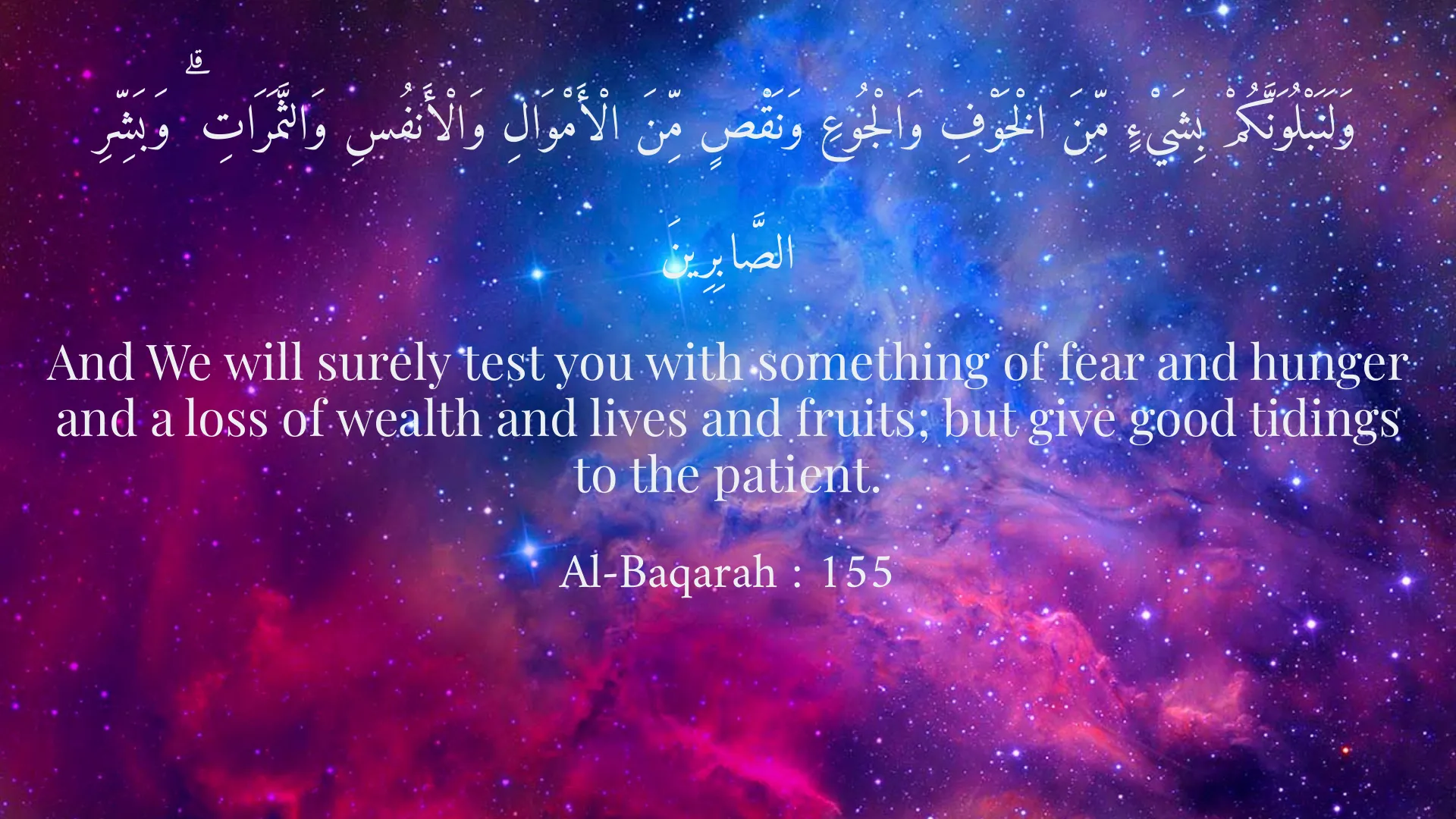
The verses of the Holy Quran provide profound insights into the reasons why individuals may easily commit sins. A thorough examination of these scriptural teachings reveals a multi-faceted understanding of human behavior in relation to sin. One of the primary reasons highlighted in the Quran is the inherent exposure of humans to temptation and tests throughout their lives. The concept of life being rife with challenges and trials is vividly articulated in Surah Al-Baqarah, verse 155, where Allah states: 'And We will surely test you with something of fear and hunger and a loss of wealth and lives and fruits; but give good tidings to the patient.' This verse encapsulates the essence of human existence as a battlefield against temptation and sin, making it clear that challenges such as fear, hunger, and loss manifest in various forms, including the temptation to engage in sin. In understanding these trials, it is essential to recognize that they are not arbitrary but serve a purpose in testing one’s character and faith. The nature of trials means that they can lure individuals into sin if they fail to remain steadfast and patient. The Quran does not merely highlight the presence of trials; it also offers a framework for how to approach them. The call for patience in the same verse indicates that steadfastness in the face of adversity is rewarded, and it serves as a guiding principle for individuals navigating the challenges of life. Furthermore, ignorance or a lack of sufficient awareness of religious teachings can lead individuals down the path of sin. In Surah An-Nisa, verse 17, the Quran articulates: 'Indeed, repentance is only for those who do wrong out of ignorance and then repent soon after.' This verse emphasizes that some individuals may sin as a result of being uninformed or unaware of the comprehensive teachings of their faith. It serves as a reminder of the importance of seeking knowledge and understanding to prevent oneself from falling into sinful behavior. Ignorance of religious teachings can create a disconnect between a person’s intentions and actions, leading to regret and the realization of mistakes. The Quran emphasizes the importance of seeking knowledge, which can illuminate the path of righteousness and help individuals avoid succumbing to sin. In addition to internal factors, external pressures play a significant role in influencing individuals towards sinful behavior. Social and environmental factors can create a setting where sin becomes more accessible or even normalized. In Surah Al-Anfal, verse 28, Allah says: 'And know that your properties and your children are but a trial.' This description encapsulates the idea that wealth and familial relationships can serve as both blessings and tests. The pressures associated with financial stability and family responsibilities can sometimes lead to moral compromises and sinful acts if one fails to navigate these aspects wisely. Hence, the Quran emphasizes the importance of being aware of the challenges posed by societal expectations and material desires, as they can directly impact one’s moral decisions. The interplay between internal temptations, ignorance, and external pressures culminates in a complex landscape where sin presents itself as an accessible option for many. Many individuals find themselves confronted by their desires and the expectations of their peers, leading them to make choices that contravene their moral values and religious teachings. This creates an internal conflict where the desire to sin can overshadow the commitment to righteousness, leading to a cycle of sinning and seeking forgiveness. Moreover, the Quran does not convey despair or hopelessness in the face of sin. Instead, it provides pathways for redemption and forgiveness through sincere repentance. The concept of repentance, or 'Tawbah,' is emphasized throughout the Quran, reinforcing the notion that falling into sin is part of the human experience, but returning to righteousness is fully within one’s grasp. Each verse that discusses sin also delves into the beauty of forgiveness, extending the hand of mercy to those who strive to amend their wrongs. This balance between accountability for one’s actions and the opportunity for redemption is a powerful motivator for believers. Thus, it can be concluded that committing sins effortlessly stems from a confluence of both internal dispositions and external influences. The Quran provides a comprehensive understanding of these aspects, serving as a guide for individuals as they navigate the complexities of life. By understanding the inherent challenges of existence, the impacts of ignorance, and the weight of societal pressures, one can better arm themselves against the allure of sin. The teachings in the Quran compel believers to strive for self-awareness, seek knowledge, and maintain patience in the face of adversity. By doing so, they can cultivate resilience against temptation and remain steadfast in their commitment to their faith and moral values. It is this journey of self-discovery, fortitude, and sincere efforts towards repentance that defines the truly pious person, illustrating the Quran’s ultimate aim of guiding humans towards a path of righteousness while acknowledging their humanness and fallibility.
Related Verses
وَلَنَبْلُوَنَّكُمْ بِشَيْءٍ مِّنَ الْخَوْفِ وَالْجُوعِ وَنَقْصٍ مِّنَ الْأَمْوَالِ وَالْأَنفُسِ وَالثَّمَرَاتِ ۗ وَبَشِّرِ الصَّابِرِينَ
And We will surely test you with something of fear and hunger and a loss of wealth and lives and fruits; but give good tidings to the patient.
Al-Baqarah : 155
إِنَّمَا التَّوْبَةُ عَلَى اللَّهِ لِلَّذِينَ يَعْمَلُونَ السُّوءَ بِجَهَالَةٍ ثُمَّ يَتُوبُونَ مِن قَرِيبٍ
Indeed, repentance is only for those who do wrong out of ignorance and then repent soon after.
An-Nisa : 17
وَاعْلَمُوا أَنَّمَا أَمْوَالُكُمْ وَأَوْلَادُكُمْ فِتْنَةٌ
And know that your properties and your children are but a trial.
Al-Anfal : 28
Short Story
Once upon a time, a young man named Ali longed to transform his life. However, he was sometimes tempted into sin. One day, he met a great scholar. The scholar said to him, 'O son! Always remember the days when God tests you, learn from them and control yourself.' Taking this advice to heart, Ali decided to stand against temptations, and by making the right choices, he changed his life.