Quranic Answer
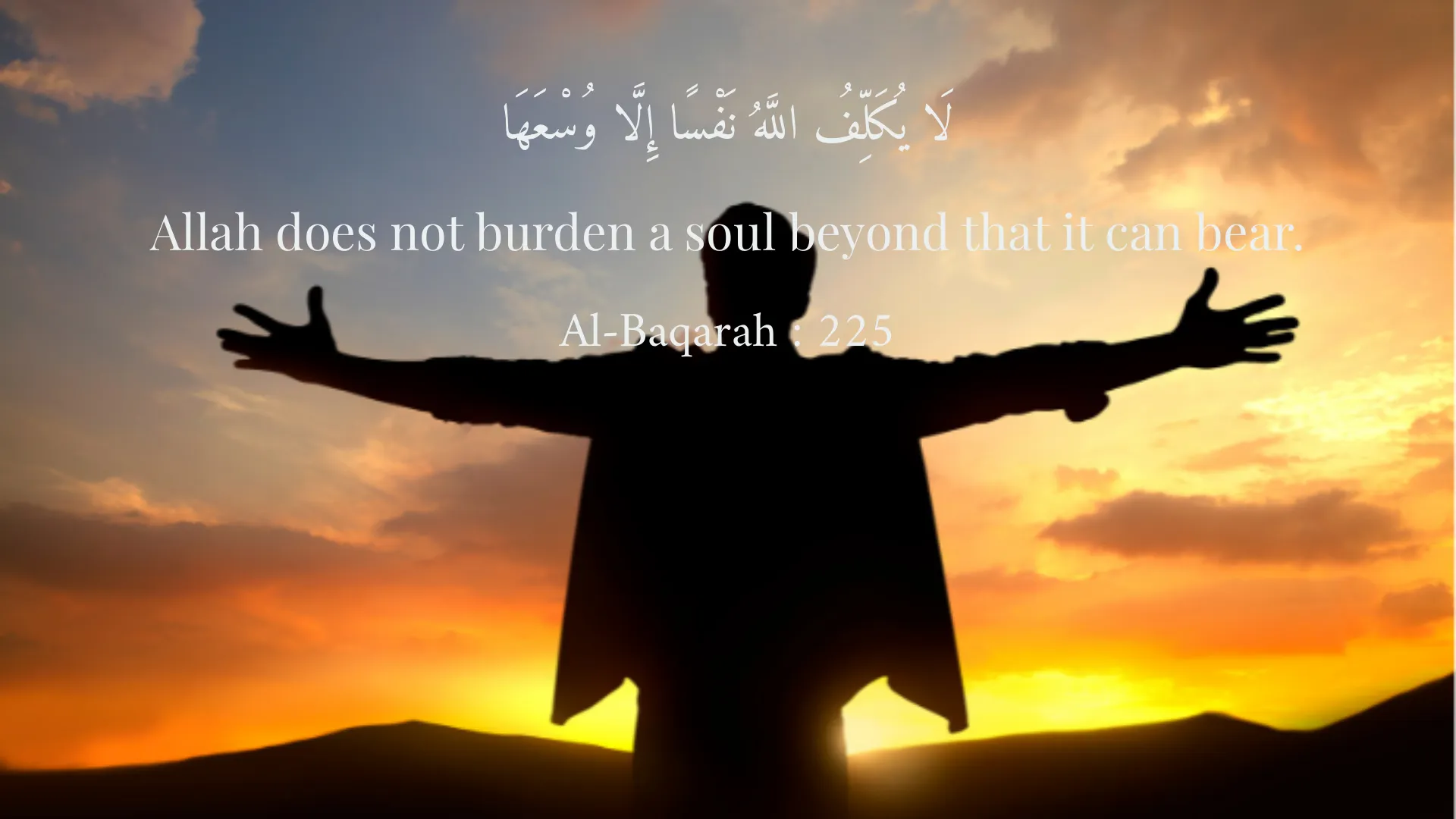
The Role of Pure Intentions in the Context of Islamic Teachings: A Thorough Exploration In the intricate framework of Islamic teachings, the significance of having a pure intention and a correct purpose cannot be overstated. This notion is articulated profoundly in the Holy Quran, emphasizing the necessity for believers to remain steadfast in their intent while ensuring that their actions align with their objective. One of the key verses highlighting this principle is found in Surah Al-Baqarah, verse 225, where Allah states, "Allah does not burden a soul beyond that it can bear." This verse denotes that while individuals may possess good intentions, their actions must resonate with these intentions. It suggests that divine wisdom considers the capacity of every soul and allows them to act within their limits. Moreover, the concept of trials and tribulations is introduced in Surah Al-Imran, verse 186, in which Allah proclaims, "And certainly We will test you to make evident those who strive among you and the patient." This verse establishes that Allah values intentions, yet He permits challenges to arise in our paths, serving as a means to test and refine our character. Such tests intend to manifest our good intentions into meaningful actions, ensuring that believers do not merely possess noble aspirations but actively strive to fulfill them. The aforementioned verses encapsulate a critical idea: the alignment between intention and action is vital in the Islamic ethos. However, there are instances where the best of intentions may lead to unintended consequences, often resulting from a misinterpretation of circumstances or a flaw in decision-making. Analyzing why well-meaning deeds might yield negative outcomes provides insight into the importance of thoughtful consideration and evaluation. Consider the example of a person who desires to assist others in their community. With the noble aim of providing support, they might initiate a project without adequately assessing the needs or demands of those they intend to help. In such a case, despite their excellent intentions, the method they choose may inadvertently inflict harm or exacerbate existing issues. This scenario elucidates the importance of conducting a comprehensive analysis before embarking on any initiative aimed at helping others. The notion of performing due diligence when it comes to our actions resonates deeply within Islamic teachings. Consulting others, seeking advice, and engaging in thorough planning are fundamental aspects when striving to align one's intentions with righteous actions. The Holy Prophet Muhammad (peace be upon him) advocated for mutual consultation, suggesting that individuals should engage in dialogue and share their aspirations and plans. This practice not only helps refine ideas but also fosters a collective spirit within communities, enhancing the effectiveness of actions directed toward the common good. Furthermore, the Quran repeatedly underscores the importance of knowledge. In Surah Al-Mujadila, verse 11, it states, “Allah will raise those who have believed among you and those who were given knowledge, by degrees.” Knowledge serves as a crucial tool in guiding believers to make informed decisions aligned with their intentions. Without knowledge, actions may diverge from righteous aims, leading to outcomes that are counterproductive. The following elucidates the principle of intention in Islamic acts of worship (Ibadah). When performing rituals such as prayer (Salah), fasting (Sawm), and charity (Zakat), the intention behind these actions is fundamental. The famous Hadith relays, "Actions are judged by intentions, and every person will be rewarded according to their intention." This narration amplifies the necessity for conscious, deliberate intentions when engaging in any acts of worship. If an individual performs these acts with sincerity and pure intention, they are more likely to yield spiritual benefits. However, if performed with ulterior motives, like seeking admiration or social status, the essence of these rituals is compromised. To solidify the discussion on intentions, it is essential to reflect on the nexus between moral ethics and intentions. Ethical conduct is paramount in Islam, emphasizing that righteous intentions must foster virtuous actions. Allah’s expectations encompass not only our aspirations but also the moral compass guiding our actions. The Quran emphasizes compassion, integrity, and justice, urging believers to adopt these principles as the foundation upon which their intentions and corresponding actions rest. It is also vital to understand the role of patience amidst challenges as prescribed in Surah Al-Imran. Life is fraught with difficulties, and believers are reminded to remain patient and steadfast during trials. Patience is intrinsically connected with the endurance of our good intentions, urging individuals to reflect upon their motivations amidst adversity. When intentions are coupled with patience and resolve in the face of challenges, individuals can better navigate through life's complexities, ultimately achieving greater alignment between purpose and action. In conclusion, the significance of pure intentions in Islam stands as a cornerstone of moral conduct and ethical behavior. While Allah acknowledges and values good intentions, the ultimate aim is to ensure those intentions are manifested through righteous actions. The interplay between trials, knowledge, consultation, and ethical principles enables believers to navigate complexities in a manner that remains true to their noble aspirations. Thus, it becomes imperative for individuals to cultivate an environment that fosters awareness, reflection, and community participation to translate good intentions into meaningful, impactful actions. The teachings from the Holy Quran serve as a guiding light, illustrating that with sincere intentions and deliberate efforts, believers can navigate the intricacies of life while adhering to the principles of Islam.
Related Verses
لَا يُكَلِّفُ اللَّهُ نَفْسًا إِلَّا وُسْعَهَا
Allah does not burden a soul beyond that it can bear.
Al-Baqarah : 225
وَ لَنَبْلُوَنَّكُم بِشَيْءٍ مِّنَ الْخَوْفِ وَالْجُوعِ وَنَقْصٍ مِّنَ الْأَمْوَالِ وَالْأَنفُسِ وَالثَّمَرَاتِ ۚ وَبَشِّرِ الصَّابِرِينَ
And certainly We will test you with something of fear and hunger and a loss of wealth and lives and fruits; and give good tidings to the patient.
Al-Imran : 186
Short Story
Once upon a time, a man decided to help his neighbor. He started with a pure intention, but during the process, he made a mistake that resulted in some damage to his neighbor. He was very upset about this and recalled the Quranic verses that reminded him that good intentions should go hand in hand with careful thought and planning. The man then resolved to act more thoughtfully in the future and to think better before taking any action.