Quranic Answer
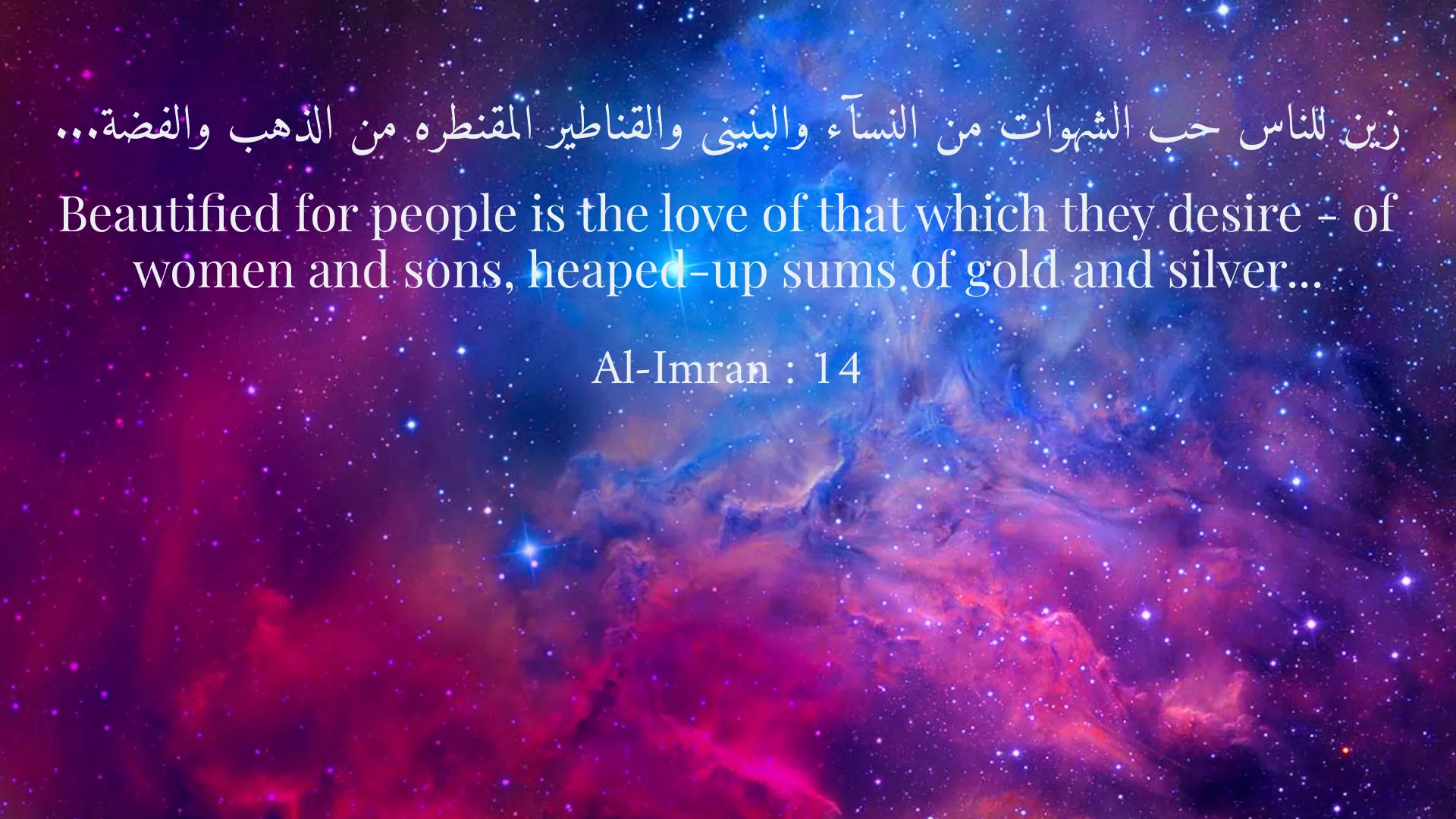
Love and affection are deeply ingrained emotions that resonate within the human experience, shaping our relationships, decisions, and life trajectories. This exploration of love seeks to delve into its profound significance, yet also warns of the potential pitfalls that can accompany unchecked emotions. In religious contexts, particularly within the teachings of the Holy Quran, love is not merely a sentiment to be felt; it is a divine directive that requires proper understanding and adherence to spiritual principles. ### Understanding Love in the Human Context Love is often described as the most powerful force in the universe; it can inspire great acts of kindness, foster deep connections, and illuminate lives with hope and warmth. However, love untempered by wisdom can lead to detrimental consequences. Human beings may find themselves ensnared in desires that, while initially pleasant, could lead them down a path of suffering or moral ambiguity. For instance, romantic or physical love, when it becomes an obsession or is pursued outside of mutual respect and ethical boundaries, can lead to painful repercussions, such as infidelity, betrayal, and emotional turmoil. ### The Quranic Perspective on Love and Its Guidance In the Holy Quran, the concept of love is intricately connected to divine guidance and righteousness. Islamic teachings advocate for a form of love that is directed toward God (Allah) and His creations. This form of love is meant to uplift individuals, steering them towards virtuous actions and away from sin. When love is rooted in faith and reverence for the divine, it motivates individuals to act justly, compassionately, and with empathy toward others. The Quran emphasizes that love should not be misdirected toward worldly desires that distract from our primary purpose in life: to worship God and serve humanity. Surah Al-Imran, verse 14, powerfully illustrates this point: "Beautified for people is the love of that which they desire - of women and sons, heaped-up sums of gold and silver..." This verse encapsulates the struggles individuals face in grappling with earthly desires that can lead them away from spiritual fulfillment. ### The Dangers of Misguided Love When love becomes misplaced or distorted, it can act as a double-edged sword. The teachings of Islam underscore the responsibility that comes with love. If an individual is led astray by superficial desires, such as wealth or physical attraction, they risk losing sight of their values and principles. The Quran warns of this tendency, suggesting that the allure of worldly pleasures can lead to moral decay and strife. Furthermore, the figure of Satan, who seeks to exploit human emotions, is mentioned as a deceiver who can manipulate love to propound sins such as adultery, deception, and the betrayal of trust. ### Love in the Service of God and Humanity Conversely, love that is aligned with God’s teachings yields a transformative experience. Such love nurtures personal growth, deepens spiritual connections, and reinforces communities. Love in the service of God entails prioritizing selflessness, compassion, and a commitment to justice and equity. It provides a framework for relationships that celebrates mutual respect, dignity, and support. The Quran encourages believers to adopt a love that promotes the common good, emphasizing that true love emanates from the understanding that all human beings are creations of the Divine, deserving of care and kindness. In this context, love becomes an act of worship. By loving others selflessly, we embrace the divine qualities of mercy and compassion, thus drawing nearer to God. For instance, one can show love through words of encouragement, acts of service, and help to those in need. The Quran, through various teachings, promotes charitable actions as expressions of love—demonstrating the interconnectedness of the community and fostering social harmony. ### Balancing Love with Responsibility The journey of understanding love within the Quranic framework requires an intentional awareness of one’s emotions and motivations. It invites individuals to reflect on how their affections align with their ethical and spiritual goals. The balance between human desires and spiritual commitments forms the crux of a believer's life. Recognizing that love can bear both blessings and burdens is essential in cultivating a well-rounded understanding of emotional well-being. These teachings advocate for introspection, encouraging individuals to ask crucial questions: Is my love for someone guided by righteousness? Am I pursuing it for the sake of God and the betterment of my soul, or am I surrendering to fleeting desires? ### Conclusion In conclusion, love and affection hold significant places in our lives, yet they come with inherent responsibilities. As we navigate our emotions, the teachings of the Holy Quran provide a pathway that leads to ethical and moral character. The emphasis should always remain on directing love toward God and His creations, fostering an environment where communal harmony and personal growth can thrive. By understanding the dynamics of love through a spiritual lens, we not only enhance our lives but also contribute positively to the lives of others, reflecting the divine counsel embedded in the Quran. Ultimately, when love is consistently nurtured in truth and righteousness, it becomes a powerful catalyst for healing and transformation in both personal and collective contexts.
Related Verses
زين للناس حب الشهوات من النسآء والبنینی والقناطیر المقنطره من الذهب والفضة...
Beautified for people is the love of that which they desire - of women and sons, heaped-up sums of gold and silver...
Al-Imran : 14
Short Story
One day, a young man named Amir fell in love with a beautiful and kind girl. He spent his days with her and felt immense joy. However, gradually, his love turned into obsession, crossing rational boundaries. He began doing things for love that he knew were wrong. At that moment, a wise friend advised him and reminded him that love should be in the service of God, not lead him towards sin. Amir reflected deeply and decided to channel his love with a pure heart and in service to God.