Quranic Answer
The Holy Quran, the central religious text of Islam, is not just a book of laws and ethics, but also a profound piece of literature. Among its stylistic devices, the use of oaths stands out as particularly significant. These sworn declarations serve to underscore the gravity and importance of the themes and messages that follow within the verses. With an array of solemn promises and declarations, the Quran masterfully captures the reader's attention while simultaneously deepening the impact of its teachings. Oaths in the Quran are used as a rhetorical device that emphasizes the significance of the matters discussed. In Surah Al-Balad, verse 1, for example, Allah states, 'I swear by this city,' referring to the city of Mecca. This particular oath not only highlights the honor and the high status of Mecca but also reflects its divine significance as the birthplace of Islam. The emphasis on such a revered city encourages individuals to recognize and reflect upon the greatness of the divine will that underpins their lives. The urge to remember one's roots, origins, and the sanctity of sacred places becomes clearer through the oath, instilling a sense of reverence and admiration in the hearts of believers. The use of oaths serves multiple purposes within the context of the Quran. Among these, one key aspect lies in affirming the truth of divine revelation and prophethood. For instance, in Surah Al-Muzzammil, verse 15, Allah swears by the Day of Judgment, which is a vital tenet of Islam. This particular oath captures the essence of accountability that awaits every individual. By urging people to avoid disbelief and sin, and to turn towards righteousness, the oath serves as a reminder of the moral and ethical responsibilities bestowed upon mankind. Such declarations draw individuals to engage in self-reflection, urging them to ponder the consequences of their actions and the permanence of divine justice. Oaths also enrich the language and message of the Quran, providing an avenue for literary elegance through which readers can appreciate the beauty of divine instructions. The emotional weight of oaths has the power to evoke responses that encourage engagement, contemplation, and devotion. Each time an oath is invoked, it signifies a call for awareness, urging the audience to move past mere acknowledgment of the words and to truly reflect upon their implications. Moreover, the Quran employs oaths as a method of reinforcing the beliefs held within Islam. By repeatedly invoking divine authority through oaths, the text strengthens the faith of its readers. It solidifies their conviction in the existence of a higher power and the truth of the teachings presented. This connection fosters a deeper sense of trust and reliability in the divine message. In a world filled with distractions and doubts, the presence of these sacred affirmations offers a light, guiding believers toward a path rooted in faith and understanding. The impact of the oaths extends beyond the individual level; they also serve a communal purpose. By establishing a shared understanding of the importance of these divine declarations, oaths foster a sense of unity among believers. They serve as a reminder of the collective beliefs and values that bind people together, thus promoting solidarity within the community. Another interesting aspect of the rhetorical style employed through oaths is that it encourages a deeper intellectual engagement with the text. The careful articulation of promises and affirmations compels believers to think critically about the teachings, pushing them to explore the underlying messages. This intellectual endeavor not only aids in understanding the Quran but also resonates with the broader Islamic tradition of contemplation and inquiry. Engaging with these verses inspires scholars and laypeople alike to delve deeper into theology, philosophy, and ethics, enriching the overall Muslim intellectual heritage. The emotional and spiritual dimensions associated with the oaths in the Quran cannot be understated. For many believers, these declarations evoke feelings of awe, reverence, and sometimes fear. The promise of divine accountability creates an environment in which individuals are encouraged to reform themselves, seek redemption, and strive towards the ethical ideals presented in the text. The deeply reflective nature of these oaths serves as a constant nudge toward self-betterment, offering hope and assurance in the divine mercy that awaits those who seek forgiveness. In conclusion, oaths in the Holy Quran are not only rhetorical devices but also powerful manifestations of divine authority that underscore the significance of the messages contained within. They serve to highlight important themes, affirm the truth of revelation, strengthen the faith of believers, foster communal unity, and encourage critical reflection. As such, the use of oaths constitutes a vital aspect of the Quranic narrative, prompting readers to approach its teachings with seriousness and mindfulness. As we navigate our lives, the reminders contained within these oaths compel us to remain steadfast in our beliefs and to live in accordance with the profound wisdom imparted by the divine.
Related Verses
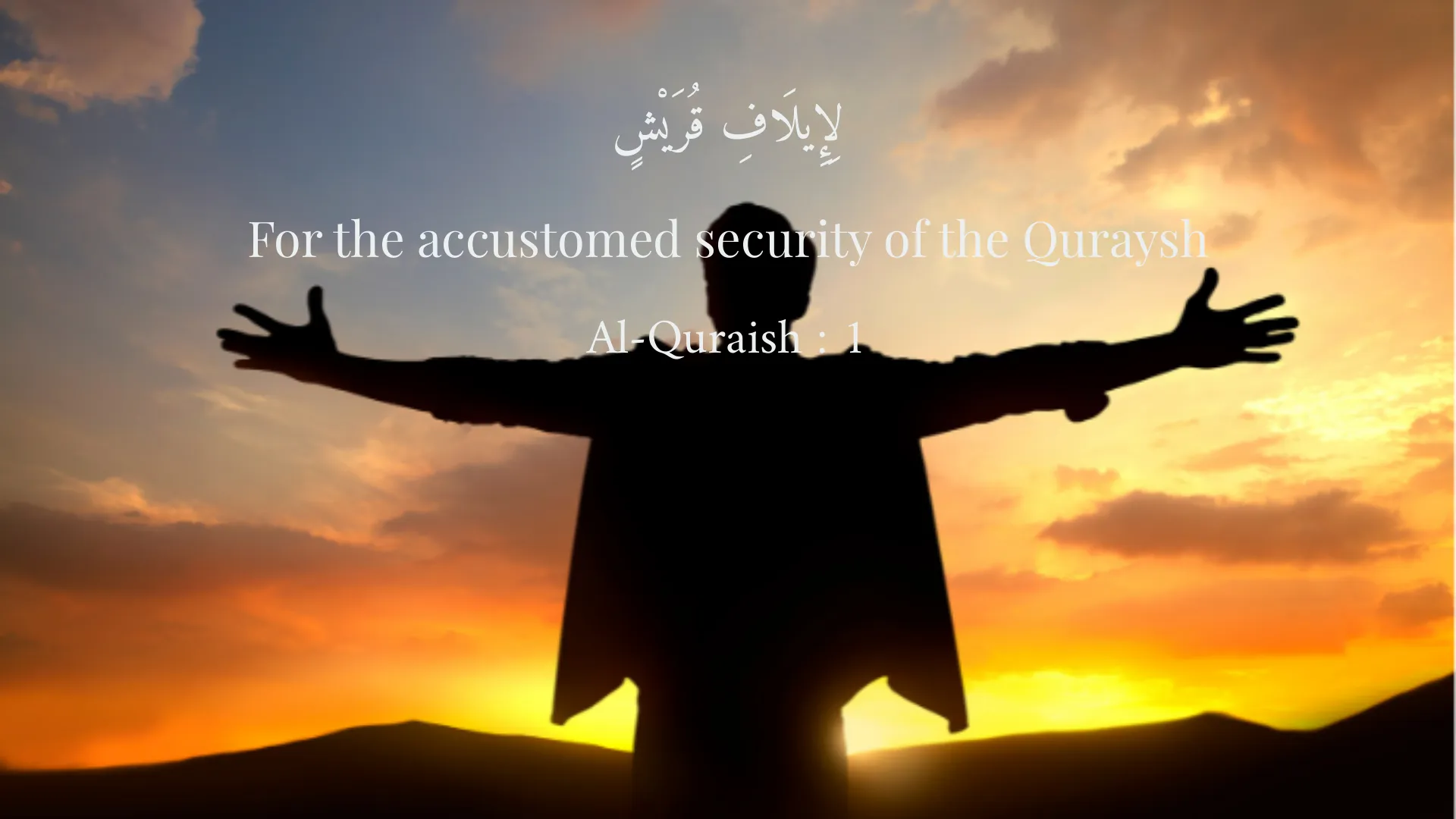
لِإِيلَافِ قُرَيْشٍ
For the accustomed security of the Quraysh
Al-Quraish : 1
لَا أُقْسِمُ بِهَذَا الْبَلَدِ
I swear by this city
Al-Balad : 1
إِنَّا أَرْسَلْنَاكَ شَاهِدًا وَمُبَشِّرًا وَنَذِيرًا
Indeed, We have sent you as a witness and a bringer of good tidings and a warner
Al-Muzzammil : 15
Short Story
One day, a man named Ali was at the market, pondering over the whispers of his thoughts. He always wished to see successful individuals around him and sought ways to achieve success. One day, he approached a great scholar and asked how he could excel in life. The scholar smiled and said, 'Know that oaths in the Quran have a significant purpose. They show where we should pay more attention and importance.' Ali reflected on the scholar's words and realized that he needed to be mindful of priorities in his life and pay heed to the teachings of the Quran.