Quranic Answer
Apologizing is a fundamental aspect of human interaction and communication. In today's complex societies, the act of apologizing is often perceived as a significant social challenge. Individuals navigating through relationships, be it personal or professional, encounter various hurdles that make the act of apologizing difficult. The need for a sincere apology often arises in situations where misunderstandings occur, feelings are hurt, or trust has been broken. The complexity of the human psyche and cultural attitudes towards vulnerability can affect the ease with which one expresses regret. This article will delve into the nature of apologizing through the lens of social dynamics, cultural perspectives, and the teachings of the Holy Quran, highlighting the necessity and benefits of this often avoided but crucial social interaction. The Holy Quran underscores the importance of honesty and maintaining proper relations with others. Key themes throughout the Quran promote justice, integrity, and genuine connections among individuals. One particularly enlightening passage is found in Surah An-Nisa, verse 135, which states: "O you who have believed, be persistently standing firm in justice, witnesses in the name of Allah, even if it be against yourselves." This profound verse serves as a reminder that being truthful, especially when it requires self-reflection and acknowledgment of our faults, is essential in fostering healthy relationships. The embodiment of this verse conveys the idea that standing firm in our convictions should not come at the expense of admitting our wrongdoings. The act of apologizing is intrinsically tied to vulnerability. A major reason why many individuals resist apologizing is the fear associated with admitting mistakes. The human inclination to preserve a positive self-image often leads to the avoidance of situations where one must confront their weaknesses. This propensity to evade self-fault stems from social conditioning and personal insecurities. In many cultures, the expression of regret is interpreted as a sign of weakness, which creates additional barriers to fostering meaningful connections. The fear of damaging one’s reputation or appearing inadequate can stifle individuals from reaching out to mend bridges through an apology. Moreover, the cultural context can significantly influence one’s willingness to apologize. In some societies, admitting to wrongdoing can imply a loss of honor or status, thus perpetuating a cycle of conflict and resentment. Conversely, in cultures where humility and accountability are valued, apologizing becomes a pathway to healing and reconciliation. This cultural dichotomy highlights the necessity of promoting the values of empathy, forgiveness, and communication across diverse communities. As we observe the interplay of cultural influences on apologizing, it becomes increasingly critical for individuals to challenge existing paradigms that shun vulnerability in favor of resilience and determination. The teachings of the Quran offer profound insight into how believers can utilize the act of apologizing as a tool for growth during moments of difficulty and error. Surah Al-Imran, verse 135 emphasizes this: "Those who spend in the cause of Allah during ease and hardship and who restrain anger and who pardon the people - and Allah loves the doers of good." This encouragement for believers to make amends, express remorse, and demonstrate compassion speaks to the transformative power of apologies. Rather than viewing apologies as a sign of defeat, the Quran reframes them as opportunities for personal and communal advancement. Through acknowledging our faults, we can create stronger bonds with others and cultivate a culture rooted in accountability and kindness. Additionally, the act of apologizing is not merely a personal endeavor; it extends to the social fabric of communities. When individuals express remorse and seek forgiveness, it cultivates an atmosphere of understanding and empathy. Apologizing helps to bridge the gaps caused by miscommunication and contributes to building trust within relationships. Imagine two friends who have a disagreement; if one person steps forward with an apology, it can pave the way for deeper conversations that resolve underlying issues and strengthen their friendship. The exchange of apologies also demonstrates a level of investment in the relationship, signaling that both parties value their connection and are willing to put in the effort to restore harmony. Furthermore, apologizing has mental health benefits for the individual offering the apology. It can serve as a form of emotional release, which aids in alleviating the burden of guilt and shame. Apologies can help individuals process their emotions more effectively, reducing anxiety and fostering a sense of closure. When one recognizes their role in causing harm and actively seeks to rectify their actions, it can lead to increased emotional intelligence and self-awareness. As such, the journey of apologizing becomes not merely about rectifying wrongs but also about personal development and enrichment. In conclusion, while apologizing may present challenges in today’s world, it remains a necessary act that enhances interpersonal relationships and fortifies community bonds. The teachings of the Holy Quran illuminate the significance of maintaining honesty and true connections with others. Apologizing should not be seen as a sign of weakness but rather as a noble and commended endeavor that fosters growth and understanding among individuals. In learning to embrace vulnerability, cultivate empathy, and challenge societal norms surrounding apologies, we can create a more compassionate and forgiving society. By deepening our understanding of the nature and importance of apologies, we can navigate through interpersonal conflicts with grace, ultimately leading to stronger, healthier relationships and communities.
Related Verses
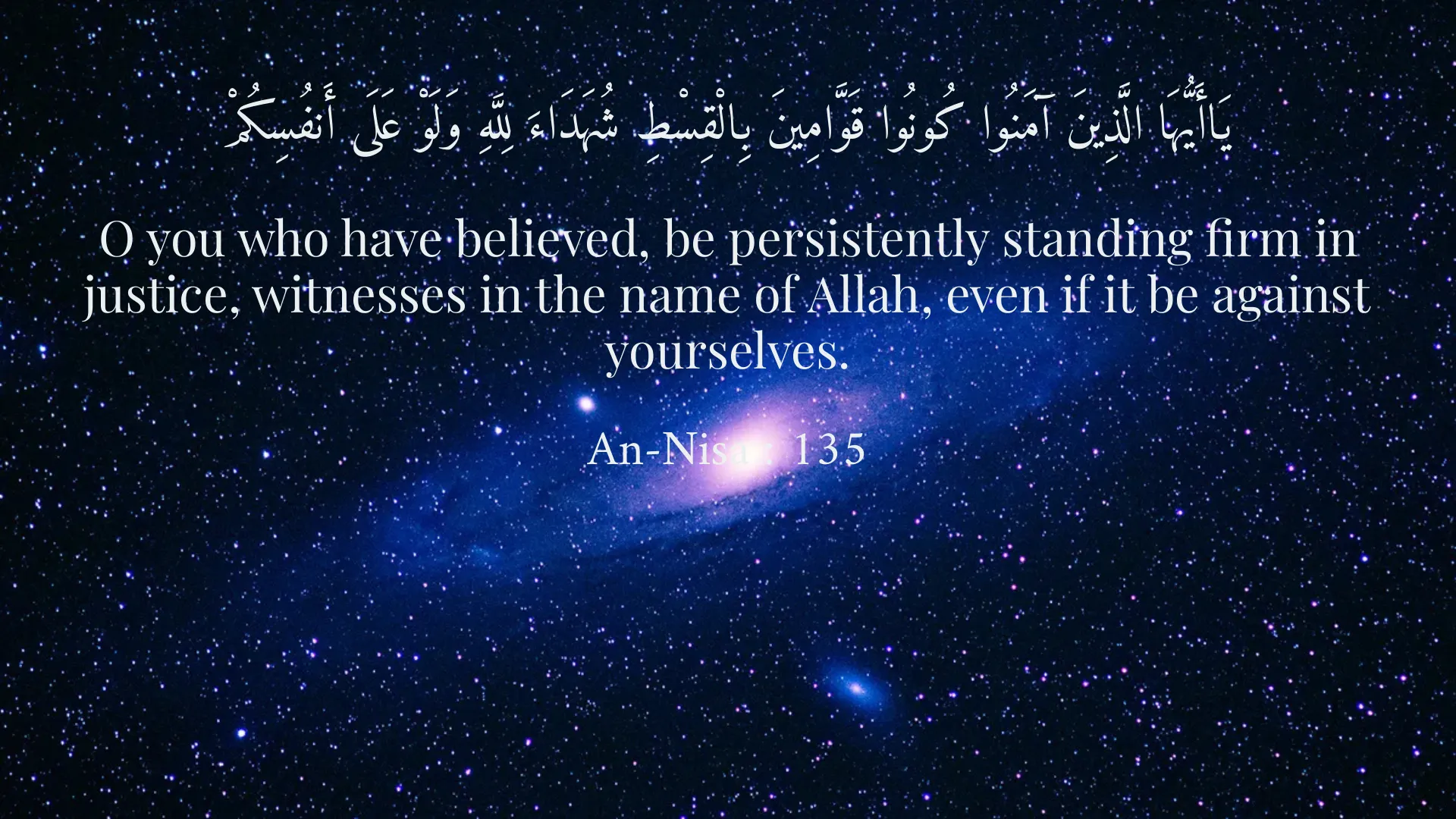
يَاأَيُّهَا الَّذِينَ آمَنُوا كُونُوا قَوَّامِينَ بِالْقِسْطِ شُهَدَاءَ لِلَّهِ وَلَوْ عَلَى أَنفُسِكُمْ
O you who have believed, be persistently standing firm in justice, witnesses in the name of Allah, even if it be against yourselves.
An-Nisa : 135
وَالَّذِينَ إِذَا أَصَابَهُم بَغْيُهُمْ هُمْ يُجَاهِدُونَ
And those who, when faced with injustice, they strive.
Al-Imran : 135
Short Story
One day, a young man named Amir fell in love with his neighbor's daughter. However, he insulted her in an inappropriate situation and felt a deep regret. After reflecting on the Quran, he decided to apologize. Remembering a verse that reminded him to 'be truthful,' he went to the girl's house and sincerely apologized. His act rebuilt their relationship and formed a deeper friendship.