Quranic Answer
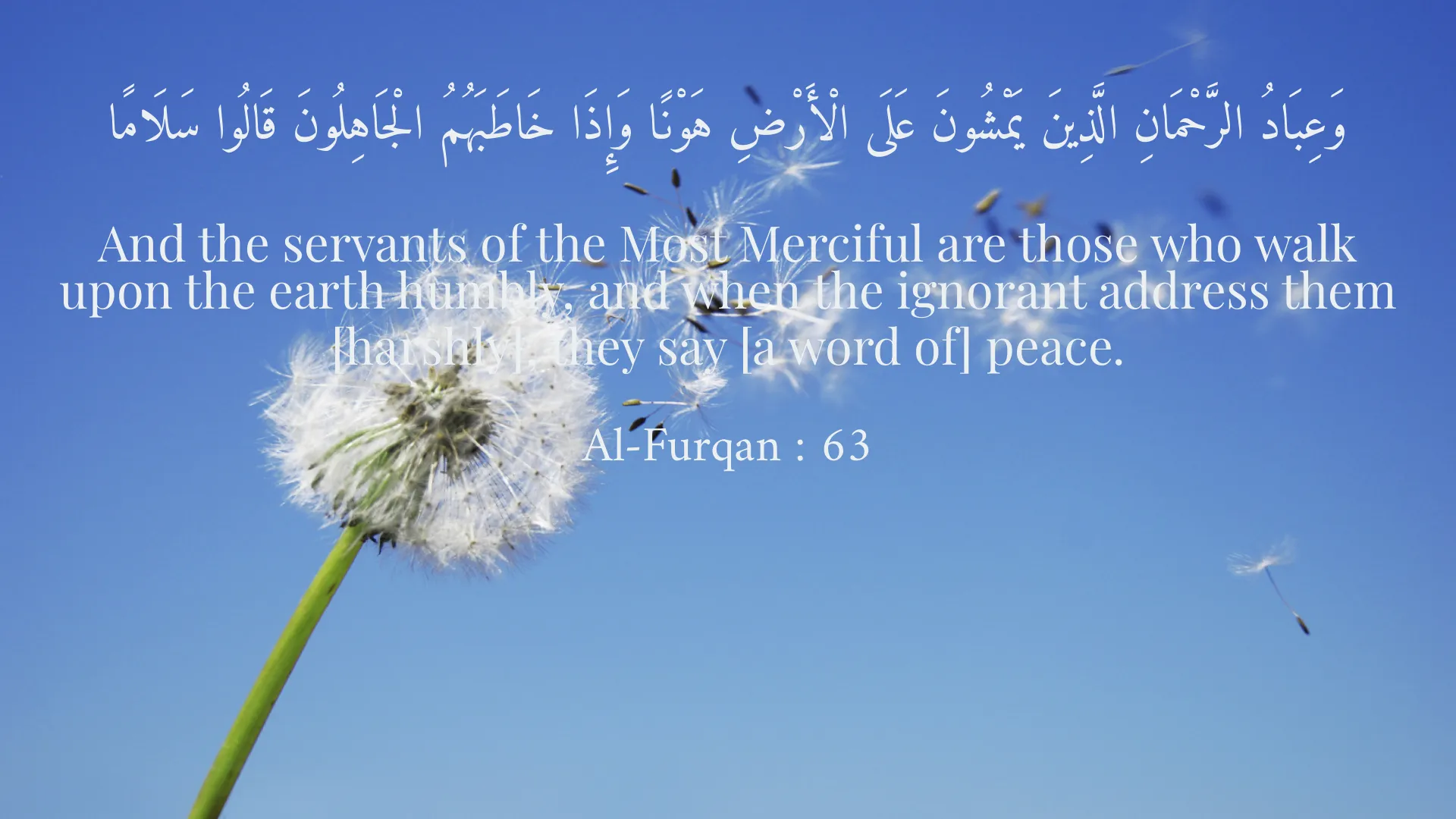
Humility: A Cornerstone of Character in Islamic Culture Humility, often referred to as one of the most commendable traits in human character, plays a vital role in the teachings of Islamic culture. It is a concept deeply rooted in spiritual teachings and ethical conduct, as emphasized by the Holy Quran. The connection between humility and spirituality provides a pathway for believers to cultivate a well-rounded character that adheres to the principles set forth by Allah. This article explores the profound significance of humility within the framework of Islamic teachings, how it shapes interpersonal relationships, cultivates personal growth, and serves as a source of tranquility in times of distress. At the core of Islamic belief, humility stands as a pivotal trait that reflects one's submission to the will of Allah. In Surah Al-Furqan, verse 63, we find a remarkable description of Allah's servants. The verse explicitly states, "And the servants of the Most Merciful are those who walk upon the earth humbly and when the ignorant address them, [they reply with] peace." This description sets the tone for what it means to embody humility in daily life. Here, Allah draws a clear line between His servants and those who might be considered arrogant or prideful. Humility is not merely an action; it is a way of being that fosters a sense of dignity while recognizing the inherent worth of every individual. One of the most striking aspects of humility is its ability to remind us of our shared humanity. In a world often driven by competition and individualism, humility serves as a counterbalance, urging us to acknowledge that we are all equal before God. Regardless of our background, wealth, or status, we come from the same source and will ultimately return to it. This profound understanding helps dismantle barriers that may create division among individuals. Whenever we embrace humility, we effectively counteract the adverse effects of arrogance and pride, which frequently give rise to discord and conflict. The role of humility in fostering respect and kindness in our interactions with others is undeniable. When we approach others with a humble heart, we create an environment that encourages open communication and understanding. This is particularly relevant in family relationships and friendships. For instance, when we practice humility, we are more inclined to listen intently to others and value their perspectives. The action of truly hearing someone out—without the interference of judgment or self-importance—can enrich our relationships to an immeasurable degree. Imagine how different our world would be if we all practiced humility a little more, setting aside our egos during difficult conversations or disagreements. By recognizing the dignity in others, we foster an atmosphere of respect that extends beyond our immediate circles. The essence of humility is closely entwined with empathy, as both traits empower us to connect with others on a deeper level. When we cultivate humility, we open ourselves to the possibility of learning from others, thus tapping into the collective strength that diverse perspectives can offer. Furthermore, Islam offers profound guidance on dealing with adversity through humility. Surah Al-Imran, verse 139, states, "Do not lose hope nor be sad; you will surely be victorious if you are true believers." This verse places great emphasis on maintaining a humble posture even in times of grief or hardship. Such a mindset can alleviate the burden of pride, which often exacerbates feelings of frustration or despair. Instead of sinking into self-pity or anger, embracing humility allows us to accept our circumstances, however unpleasant they may be, with grace and resilience. One of the essential teachings in Islamic philosophy is that life is a test filled with trials and tribulations. Through humility, believers can attain peace of mind and strength during difficult times. This peace comes from understanding that our troubles do not define us, but rather how we respond to them reflects our character. In this light, humility transforms adversity into an opportunity for personal growth and spiritual elevation. The act of humbling oneself before God during challenging moments serves as an acknowledgment of His wisdom and sovereignty. Moreover, humility is instrumental in personal and spiritual development. It cultivates an openness to learn from both successes and failures, encouraging us to remain steady and grounded regardless of worldly achievements. The humility to admit our mistakes fosters a growth mindset that helps us evolve as individuals. When we acknowledge that we are imperfect beings on a journey of learning, we create room for self-reflection and improvement. This concept is beautifully articulated in the traditions of the Prophet Muhammad (peace be upon him), who often emphasized the importance of humility and the detrimental effects of arrogance. To conclude, humility is not just a trait to be admired; it is a way of life that fosters respect, understanding, and personal development within an Islamic framework. The teachings of the Holy Quran underline the significance of humility by illustrating its profound impact on individual character and interpersonal relationships. With verses such as Surah Al-Furqan and Surah Al-Imran guiding our way, we are reminded of the beauty of approaching life with an open heart and a humble spirit. By embracing humility, we endeavor to build a society grounded in compassion and kindness, ultimately creating a collective environment where every individual feels valued and respected. In a world increasingly filled with strife and division, the teachings of humility hold the promise of a more unified and serene existence for all. This journey begins within, as we work to align our hearts with the divine principle of humility laid down in the scriptures that form the very foundation of Islamic culture.
Related Verses
وَعِبَادُ الرَّحْمَانِ الَّذِينَ يَمْشُونَ عَلَى الْأَرْضِ هَوْنًا وَإِذَا خَاطَبَهُمُ الْجَاهِلُونَ قَالُوا سَلَامًا
And the servants of the Most Merciful are those who walk upon the earth humbly, and when the ignorant address them [harshly], they say [a word of] peace.
Al-Furqan : 63
لَا تَحْزَنْ وَأَنتَ الْأَعْلَىٰ
Do not grieve, for you are the most high.
Al-Imran : 139
Short Story
Once upon a time in a village, there lived a man named Hassan who was always respectful towards others and known for his humility. He never boasted about himself and strived to support others. One day, one of his neighbors asked him why he always belittled himself. Hassan smiled and said, "The honor I feel under the shade of God's mercy is far greater than any worldly greatness." This statement made others admire him more and seek the love of his humility in their hearts.