Quranic Answer
Lying, a deceitful act that has permeated human interactions since time immemorial, is regarded with extreme disdain in various cultures and religions. In the Islamic context, the Holy Quran underscores the severity of this trait, labeling it sinful behavior that leads individuals away from the path of righteousness. This article will explore the implications of lying as articulated in the Quran, highlighting its consequences on both personal and societal levels, and emphasizing the importance of truthfulness as a core tenet of Islamic values. In Surah Al-Mu’minun, verse 3, Allah explicitly advises believers to refrain from vain talk and deceitful practices: "And those who turn away from vain talk." This verse sets a firm foundation for Muslims to understand that truthfulness is not merely a desirable trait but a characteristic of the devout. The distinction made here underlines that faithful individuals should embody honesty in their speech and actions, promoting an atmosphere of transparency and sincerity within their communities. As such, the act of lying is not just a breach of trust; it can be seen as a violation of one’s faith and ethical code. Furthermore, in Surah Al-Imran, verse 61, the Quran elucidates that lying distances individuals from the truth, casting a shadow over their interpersonal relationships. The verse, while contextualized in a discourse concerning sincere intention and honesty in one's dealings, implicitly warns of the ramifications of falsehood: "And whoever does not follow the guidance of Allah is indeed led astray." By acknowledging the long-term consequences of lying, this passage encourages believers to consider the ramifications of their words and actions. The societal implications of lying are profound. When dishonesty becomes the norm, it can dismantle the very foundations of trust that hold families and communities together. Relationships are built on trust and mutual respect; however, when lies infiltrate these bonds, they breed suspicion, resentment, and ultimately, division. Families, which are meant to be sanctuaries of love and support, can become battlegrounds of mistrust and betrayal. Communities that foster dishonesty may face fragmentation, as individuals withdraw from one another, fearing deceit in every interaction. Moreover, lying harms not just the people who fall prey to deceit, but also the liars themselves. Engaging in falsehood can create a moral conflict within the liar's conscience, leading to feelings of guilt and shame. Surah Al-An’am, verse 16 states, "And whomever Allah leaves astray, no one can guide him." This outlines the dire impact of lying on one’s spiritual journey. Straying from the truth allows one to descend into further falsehoods, creating a vicious cycle that can lead to spiritual desolation. The Quran emphasizes that divine guidance cannot reach those who engage in deception, leaving them isolated in their misguidance. The believer's journey is marked by a pursuit of truth, and by steering clear of dishonesty, individuals can enjoy the benefits of a life rooted in integrity. Living honestly fosters peace of mind and creates an environment where relationships can flourish without the burden of deceit. Truthfulness cultivates an atmosphere of trust, allowing for open communication and heartfelt connections that enhance the quality of interpersonal relationships. Moreover, from an Islamic perspective, the act of lying is not just a moral failing; it also signifies a lack of faith in Allah’s wisdom and provision. Believers are encouraged to trust in Allah's plan, which encompasses trials, tribulations, and the ultimate reward of Paradise for those who remain steadfast in truthfulness. By lying, individuals may momentarily evade the consequences of their actions, but they ultimately surrender to a life devoid of authenticity and fulfillment. In the broader societal context, promoting a culture of honesty can serve as a powerful antidote to the multitude of conflicts and grievances that arise from deception. Educational institutions, community programs, and families should emphasize the value of honesty, highlighting its benefits not just for individuals, but for the collective well-being of society. Conversations surrounding the importance of integrity should be incorporated into curriculums, community events, and everyday discussions, nurturing the next generation to be champions of truth. In addition, religious leaders and scholars have a vital role in guiding communities toward a more honest discourse. By using the Quranic teachings about lying as a reference point, they can encourage self-reflection and moral accountability among their congregations. Public sermons, written articles, and open discussions should navigate the pitfalls of lying, reinforcing the notion that honesty is a reflection of one’s character and relationship with Allah. In conclusion, the act of lying is deeply condemned in the Holy Quran, with directives clearly outlining the detrimental effects that dishonesty has on both individuals and communities. By promoting truthfulness and integrity in one's actions and interactions, believers can cultivate a life characterized by peace, trust, and moral rectitude. The Quran serves as a guiding light for Muslims, illuminating the path toward a life free of deceit, where honesty reigns supreme, and spiritual fulfillment can be attained. Ultimately, embracing truthfulness allows individuals to strengthen their relationships, uplift their communities, and draw closer to Allah, enabling them to live a life filled with purpose and clarity.
Related Verses
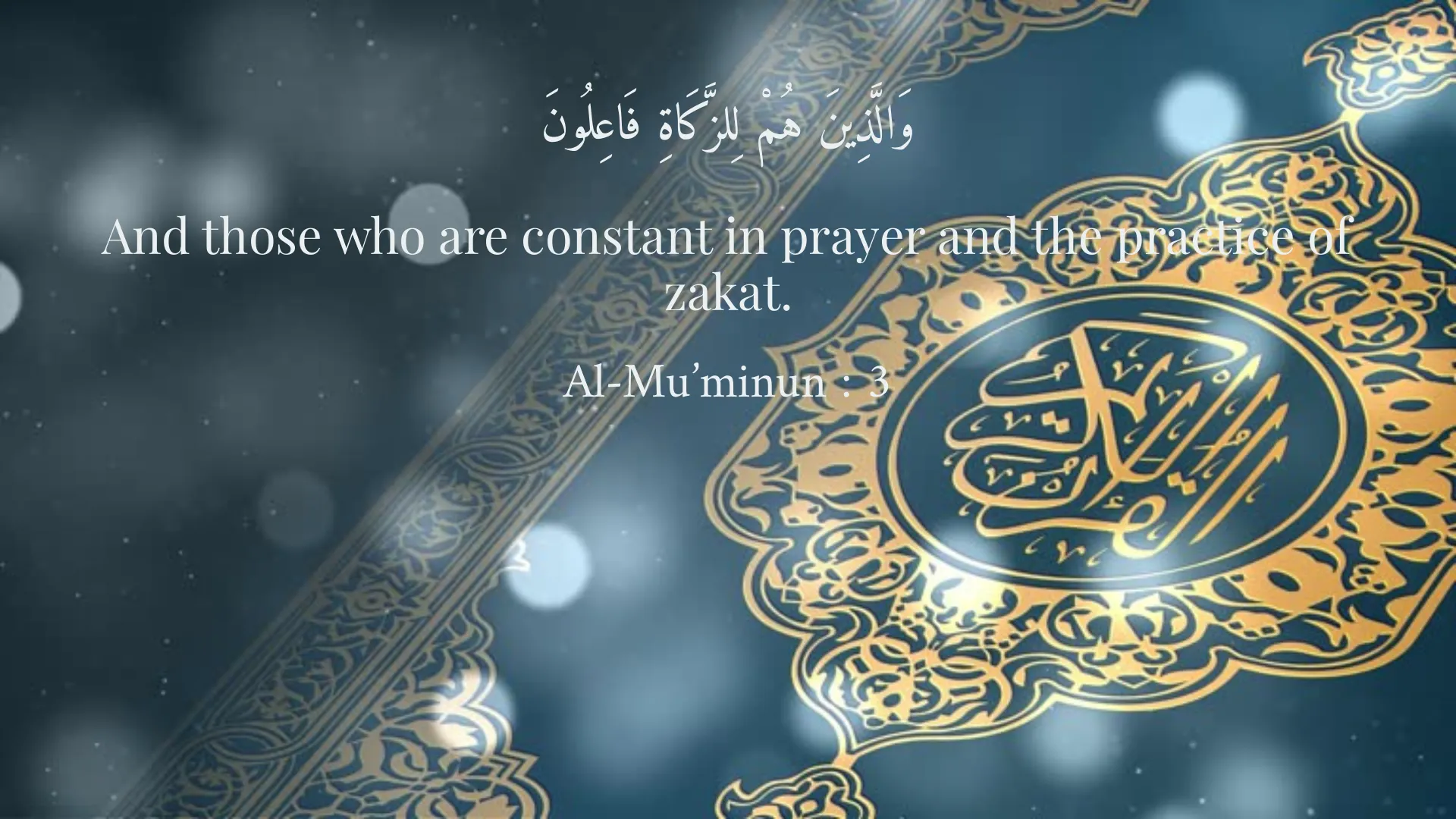
وَالَّذِينَ هُمْ لِلزَّكَاةِ فَاعِلُونَ
And those who are constant in prayer and the practice of zakat.
Al-Mu’minun : 3
فَمَنْ حَاجَّكَ فِيهِ مِن بَعْدِ مَا جَاءَكَ مِنَ الْعِلْمِ فَقُلْ تَعَالَوْا نَدْعُ أَبْنَآءَنَا وَأَبْنَآءَكُمْ وَنِسَاءَنَا وَنِسَائَكُمْ ثُمَّ نَبْتَهِلْ فَنَجْعَلْ لَعْنَةَ اللّهِ عَلَى الْكَاذِبِينَ
So whoever argues with you about it after knowledge has come to you, say, 'Come, let us call our sons and your sons and our women and your women and ourselves and yourselves; then let us humbly invoke the curse of Allah upon the liars.'
Al-Imran : 61
وَمَن يُضْلِلْ اللَّهُ فَلَا هَادِيَ لَهُ ۖ وَنَحْشُرُهُمْ يَوْمَ الْقِيَامَةِ عَلَىٰ أَعْقَابِهِمْ عُمْيًا وَبُكْمًا وَصُمًّا ۚ أُو۟لَـٰئِكَ هُمْ شَرُّ الْمَكَانِ
And whomever Allah leaves astray - no one can guide him. And We will gather them on the Day of Resurrection upon their faces, blind and mute and deaf. Their refuge is Hell; every time it subsides, We increase for them a blaze.
Al-An’am : 16
Short Story
One day, a young man named Ehsan decided to follow the straight path in his life. He read Quranic verses every day and worked on his honesty to stay away from lies and deceit. One day, while at a gathering with his friends, one of them jokingly told a lie. Ehsan looked at him thoughtfully and decided to choose honesty. He told his friends, 'We should always tell the truth to ensure our lives are filled with trust and peace.' From that day on, Ehsan became known among his friends as the person of integrity.