Quranic Answer
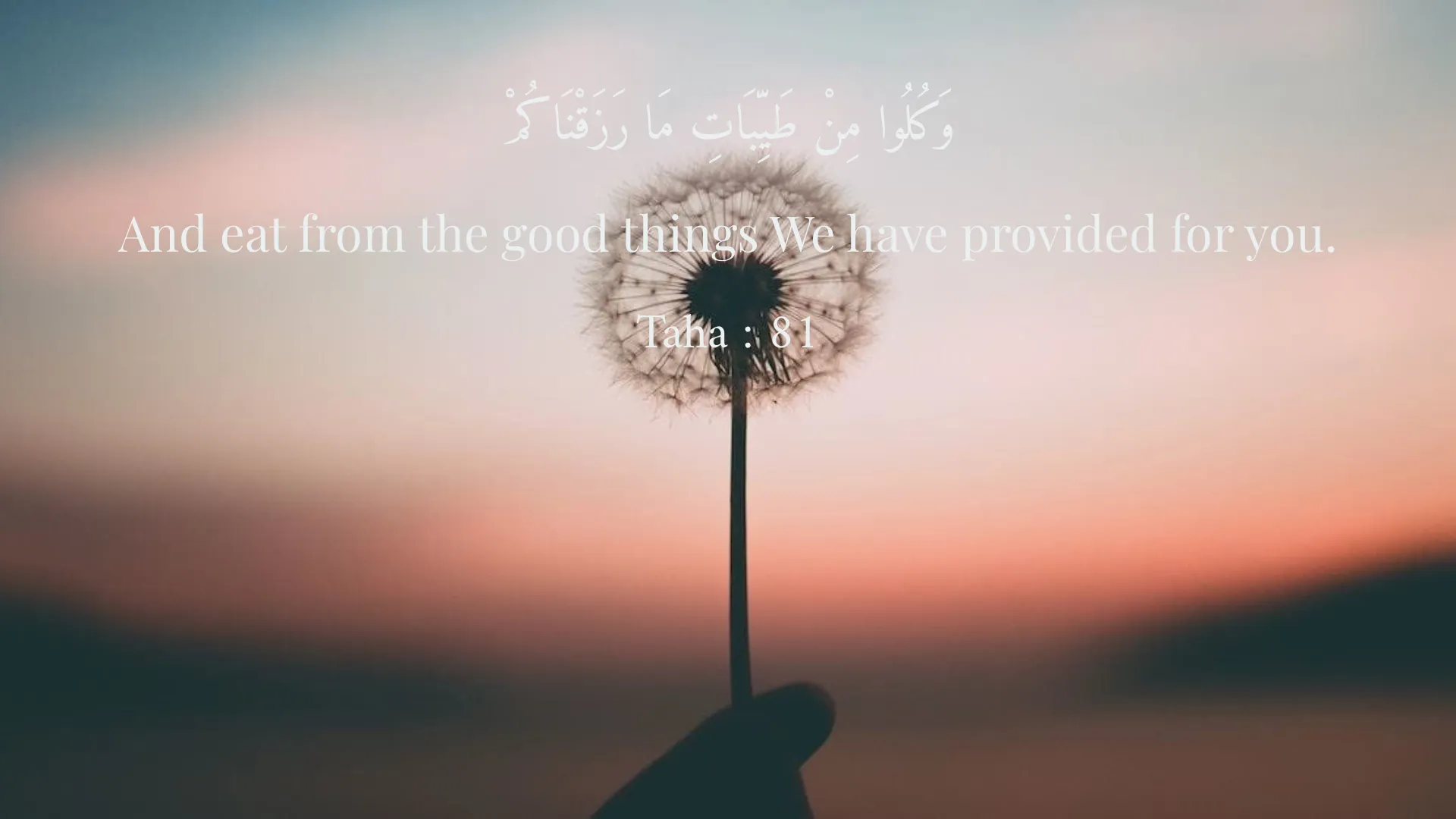
In the Holy Quran, the concept of contentment and the importance of lawful sustenance are explicitly mentioned, underpinning a significant aspect of Islamic teachings that resonates with both spiritual and practical lives. This profound idea transcends mere sustenance, embodying a deeper philosophy of fulfillment and peace that is rooted in the acknowledgment of God's bounty and the adherence to ethical living. Across various verses, Allah reminds humanity not only to seek but to also appreciate the lawful (halal) provisions bestowed upon them, cultivating an attitude of gratitude and contentment. To fully comprehend the importance of lawful sustenance, we turn to Surah Taha, verse 81, where Allah says, "And eat from the good things We have provided for you." This directive underscores the necessity of consuming what is lawful and beneficial, framing the act of eating as a spiritual exercise that bridges the material and the divine. In this context, lawful sustenance does not merely signify food; it represents a holistic approach to living that honors the provisions given by God. By consuming from that which is good and permissible, one engages in an act of worship that draws them closer to Allah, promoting contentment and spiritual well-being. Moreover, the Quran further elaborates on the consequences of viewing oneself as self-sufficient in Surah Al-Alaq, verse 5, stating, "Indeed, mankind transgresses when he sees himself as self-sufficient." This verse serves as a sobering reminder of the humility required in recognizing that our gifts, whether material or non-material, originate from Allah's infinite mercy. When we perceive ourselves as self-sufficient, we risk straying from the path of gratitude and acknowledgment. This notion ties back to the central theme of contentment, as it teaches us that true fulfillment comes from understanding our dependence on God and maintaining a humble demeanor, rather than seeking validation or success solely through material means. In the framework of daily life, fostering contentment with lawful sustenance enhances our mindset, allowing us to find joy in simplicity and appreciate what we possess. Contentment becomes a lens through which we view our existence, creating a profound sense of gratitude that can positively influence our interactions with others and our environment. This virtue not only nurtures personal happiness but also strengthens community ties, as grateful individuals tend to exhibit kindness, generosity, and empathy. Emphasizing the blessings associated with lawful work, it is imperative to appreciate that engaging in labor that is ethical and lawful lays the foundation for further blessings. The Holy Quran advocates for hard work and diligence, reinforcing the idea that lawful endeavors yield not just material gains but also spiritual enrichment. When one strives to earn through ethical means, the fruits of their labor are not only fulfilling but also imbued with a deeper sense of satisfaction. This commitment to lawful work reinforces the connection between effort and reward, showcasing the interconnectedness between one's actions and divine approval. We are reminded that being content with what we have, despite societal pressures and desires for material accumulation, is a fundamental aspect of Islamic teachings. The Quran guides us toward an understanding that true wealth does not lie solely in abundance but in the appreciation of what is permissible and good. In today's fast-paced world, where consumerism often dictates happiness, Islamic teachings provide a refreshing perspective that emphasizes mindfulness and contentment. Furthermore, the Quran encourages believers to be reflective and appreciative of the blessings in their lives. In Surah Al-Baqarah, verse 152, it states, "So remember Me; I will remember you. And be grateful to Me and do not deny Me." This verse underscores the reciprocal relationship between God and His creation; the more we remember and appreciate our bounties, the more we recognize the presence and love of Allah in our lives. It is this remembrance that fosters a sense of peace and stability within, shielding us from the uncertainties and trials that life may present. The practice of contentment also translates into a broader ethos that transcends personal well-being. A community that embraces the spirit of contentment and lawful sustenance can create a culture of support and mutual assistance. When individuals prioritize lawful means of livelihood and practice gratitude, it cultivates an environment where communal values flourish. This, in turn, fortifies societal bonds and establishes a harmonious community that upholds ethical standards. Moreover, it is crucial to recognize the role of lawful sustenance in our spiritual journeys. Islam views sustenance as a mechanism through which we can cultivate righteousness and humility. When we engage with halal provisions, not only do we nourish our bodies, but we also purify our souls and strengthen our connection to Allah. Each meal becomes an opportunity for reflection and gratitude, turning a mundane necessity into an act of devotion. In conclusion, the teachings found in the Holy Quran about contentment and lawful sustenance are profound and multifaceted. Emphasizing the importance of consuming what is good and lawful, as well as the significance of humility and gratitude, these principles guide individuals toward a life filled with peace, joy, and fulfillment. In our pursuit of happiness, it is vital to acknowledge that true contentment arises not from the abundance of material possessions but from gratitude for the lawful gifts bestowed upon us by Allah. By embracing these teachings and imparting them within our communities, we can foster a society grounded in peace, ethics, and mutual support, ultimately achieving the harmonious existence that our Creator desires for us.
Related Verses
وَكُلُوا مِنْ طَيِّبَاتِ مَا رَزَقْنَاكُمْ
And eat from the good things We have provided for you.
Taha : 81
إِنَّ الْإِنْسَانَ لَيَطْغَىٰ أَنْ رَءَاهُ اسْتَغْنَىٰ
Indeed, mankind transgresses when he sees himself as self-sufficient.
Al-Alaq : 5
Short Story
One day, a man was in the market searching for lawful sustenance, reflecting on how important the quality of sustenance is. He remembered a verse from the Quran and decided to pay attention to the lawfulness of whatever he earned. In the end, he felt that by being content with lawful sustenance, not only had his days become more beautiful, but a smile graced his face, and he found deeper tranquility.