Quranic Answer
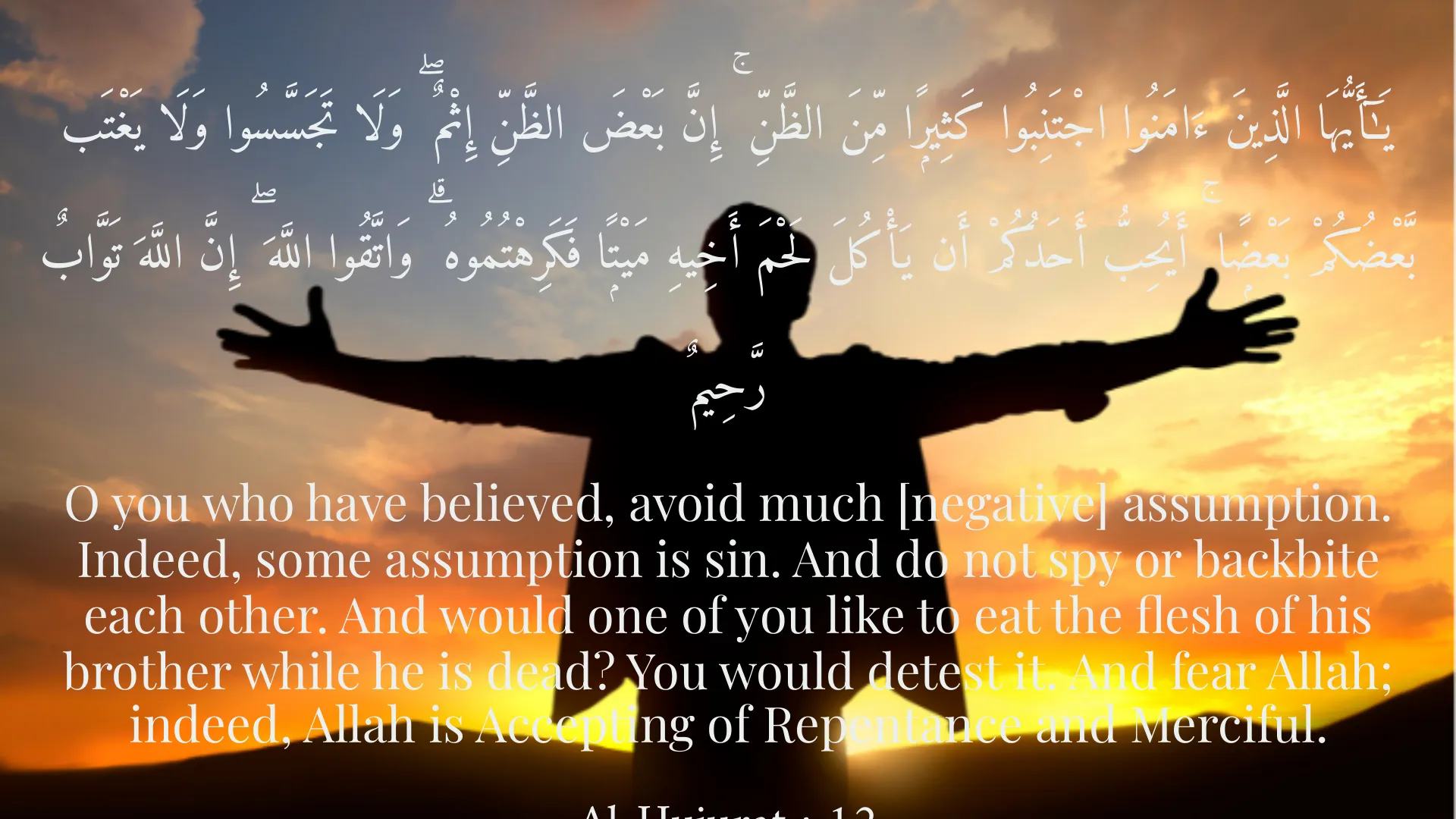
Apologizing for the mistakes of others is a profound act of kindness that transcends mere social obligation; it is rooted in moral duty and human compassion. In the contemporary world, where misunderstandings and conflicts are prevalent, the act of offering an apology on behalf of someone else's erroneous actions becomes an essential mechanism for fostering peace and enhancing interpersonal relationships. This ethical principle is not merely a cultural construct but is emphasized in various religious texts, including the Quran, which elucidates the importance of reconciliation and the preservation of harmonious social ties. When examining the social structures we navigate daily, it becomes evident that our lives are intertwined with the actions of others. We often find ourselves in situations where the mistakes or wrongdoings of people around us—be it friends, family members, colleagues, or even strangers—may inadvertently impact us. Whether it is a thoughtless remark, an unfair decision, or a blatant act of disregard, the repercussions can ripple through our lives and relationships. In such instances, the expectation to apologize, even for others' missteps, emerges as a powerful and respectful act. By doing so, we demonstrate a willingness to take responsibility for the collective well-being of our community, rather than merely placing blame. A profound source of guidance in this context is found in Surah Al-Hujurat (Chapter 49, Verse 12) of the Quran, where Allah instructs believers: "O you who have believed, avoid much [negative] assumption. Indeed, some assumption is sin. And do not spy or backbite each other. Would one of you like to eat the flesh of his brother while he is dead? You would detest it. And fear Allah; indeed, Allah is Accepting of Repentance and Merciful." This verse serves as a reminder of the significance of mutual respect and the human tendency to harbor suspicion towards one another. It encourages believers to refrain from judging others hastily and instead foster an environment of understanding and compassion. By apologizing for the mistakes of those who might have unintentionally wronged us or who have acted against our shared values, we promote a culture of respect, healing, and constructive dialogue. Moreover, the act of apologizing can serve as a catalyst for reconciliation. When we acknowledge the pain caused by someone's actions—whether directly or indirectly—we open the door for dialogue and understanding. An apology has the potential to mend emotional rifts and restore trust, especially when feelings have been hurt. In many instances, it becomes an act of courage to stand up and take accountability, even when the error does not originate from oneself. This position of humility not only reflects an understanding of our interconnectedness but also serves as an example for others who may find themselves hesitant to confront similar situations. Furthermore, in Surah Al-Ma'idah (Chapter 5, Verse 8), we are encouraged to uphold truth and justice: "O you who have believed, be persistently standing firm in justice, witnesses for Allah, even if it be against yourselves or your parents and relatives. Whether one is rich or poor, Allah is more worthy of both. So follow not [personal] inclination, lest you not be just. And if you distort [your testimony] or refuse [to give it], then indeed Allah is Acquainted with what you do." This verse underlines the significance of supporting each other, particularly in times of error and injustice. The act of apologizing for the faults of others aligns with this divine command, as it demonstrates a commitment to fairness and unity within the community. It cultivates an environment where individuals feel safe to acknowledge their shortcomings and encourages collective responsibility. By extending our empathy through apologies, we might indeed spur others to reflect on their actions, seek reform, and embrace positive change. The practice of apologizing for others' mistakes embodies essential moral growth and showcases our dedication to humanitarian principles. It reflects a higher understanding of societal dynamics—the realization that every individual's actions have an impact on the collective well-being of society. In many ways, this act symbolizes a profound shift from individualism towards a more communal outlook, one where the collective harmony takes precedence over personal pride. Moreover, by fostering an atmosphere of forgiveness and understanding, we inevitably contribute to the establishment of greater love and affection within our communities. Relationships often flourish in environments where compassion and respect thrive. Apologizing, especially when it relates to another's wrongdoing, can alleviate tension and create pathways for reconciliation, thereby culminating in stronger, more supportive relationships. In conclusion, the practice of apologizing for the mistakes of others is not only an act of moral and spiritual significance as highlighted in the Quran but is also a vital component of maintaining peace and harmony in our daily interactions. It signifies empathy and a willingness to engage in acts of kindness that may not directly pertain to us. Through this approach, we foster unity, encourage reform, and ultimately contribute to a more compassionate and just society. As we navigate through the complexities of human relationships, let us embrace the transformative power of apologies and the healing that they can bring to our communities.
Related Verses
يَـٰٓأَيُّهَا الَّذِينَ ءَامَنُوا اجْتَنِبُوا كَثِيرًۭا مِّنَ الظَّنِّ ۚ إِنَّ بَعْضَ الظَّنِّ إِثْمٌ ۖ وَلَا تَجَسَّسُوا وَلَا يَغْتَب بَّعْضُكُمْ بَعْضًۭا ۚ أَيُحِبُّ أَحَدُكُمْ أَن يَأْكُلَ لَحْمَ أَخِيهِ مَيْتًۭا فَكَرِهْتُمُوهُ ۗ وَاتَّقُوا اللَّهَ ۖ إِنَّ اللَّهَ تَوَّابٌ رَّحِيمٌ
O you who have believed, avoid much [negative] assumption. Indeed, some assumption is sin. And do not spy or backbite each other. And would one of you like to eat the flesh of his brother while he is dead? You would detest it. And fear Allah; indeed, Allah is Accepting of Repentance and Merciful.
Al-Hujurat : 12
يَـٰٓأَيُّهَا الَّذِينَ ءَامَنُوا كُونُوا قَوَّامِينَ لِلَّهِ شُهَدَآءَ بِالْقِسْطِ ۚ وَلَا يَجْرِمَنَّكُمْ شَنَآنُ قَوْمٍۢ عَلَىٓ أَلَّا تَعْدِلُوا ۚ اعدلوا هُوَ أَقْرَبُ لِلتَّقْوَىٰ ۗ وَاتَّقُوا اللَّهَ ۖ إِنَّ اللَّهَ خَبِيرٌۭ بِمَا تَعْمَلُونَ
O you who have believed, be persistently standing firm in justice, witnesses for Allah, even if it be against yourselves or parents and relatives. Whether one is rich or poor, Allah is more worthy of both. So follow not [personal] inclinations, lest you not be just. And if you distort [your testimony] or refuse [to give it], then indeed Allah is Expert of what you do.
Al-Ma'idah : 8
Short Story
One day, two friends named Ali and Hassan were working together. One day, Hassan accidentally broke an item of Ali's. At first, Ali got angry and decided not to talk to Hassan. But after a while, he remembered the verses of the Quran and the importance of apologizing. He decided to approach Hassan and talk to him. Hassan, regretting his action, apologized to Ali, and Ali kindly forgave him. This act not only strengthened their friendship but also brought them closer and improved their communication.