Quranic Answer
Hidden sins are actions that linger in the heart, often unnoticed by the outside world, yet they wield a profound influence on a person's spirit and psyche. While visible sins may receive immediate attention and consequences, hidden sins can be deceptive, quietly eroding an individual's integrity. The Holy Quran addresses the significance of sincerity and the necessity to avoid such concealed transgressions throughout its verses. This article delves into the notion of hidden sins, their implications, and how the Quranic teachings guide us toward a more conscientious and righteous life. The term "hidden sins" refers to actions or intentions that individuals may not outwardly express, yet they recognize internally. These could include envy, unkind thoughts, and even intentions to harm others. Unlike visible sins, which are observable and can lead to social repercussions, hidden sins operate in the shadows of our hearts, burrowing themselves deeper into our psyche where their effects can be insidious. The impact of these hidden actions can influence our behavior, cloud our judgment, and ultimately shape our character in less than desirable ways. A poignant example from the Quran that elucidates this concept is found in Surah Al-Baqarah (2:186), where Allah declares: 'And when My servants ask you concerning Me, indeed I am near.' This verse highlights the intimate relationship between God and His creations, suggesting that our hidden actions are as significant as those that are visible. The essence of this relationship underscores that every hidden deed reflects our intrinsic intentions. As such, we should remain vigilant about our internal motives, understanding that our thoughts and feelings contribute to our spiritual health. Moreover, the Quran also emphasizes the lasting impacts of our hidden sins. Surah Al-Ghafir (40:40) states, 'Only those who are motivated by desire will prevail.' This verse serves as a reminder that desires, especially those leading to hidden sins, can have enduring effects on our lives. The temptation to indulge in such desires can lead to a cycle of corruption, affecting not only our spiritual journey but also our relationships with others. The more we succumb to hidden sins, the more challenging it becomes to break free from their grasp. Recognizing the importance of avoiding hidden sins can guide us toward a more fulfilling life. A commitment to purity of heart and spirit enriches our interactions with others and cultivates a sense of grace and integrity. In our daily lives, we can consciously work towards eliminating thoughts that lead us toward hidden sins and replace them with positive, compassionate feelings. This paradigm shift can affect our relationship with ourselves and the world around us, leading to a significant transformation in behavior and mindset. The concept of God's oneness and our relationship with Him serves as an anchor in our practice of refraining from sin. In Surah Al-Ma'un (107:1-2), it is observed, 'Have you seen the one who denies the religion? For that is the one who drives away the orphan.' This verse underscores that those who turn away from faith are likely to succumb to hidden sins. A firm connection with God encourages us to embody virtues such as compassion, generosity, and sincerity, which act as buffers against hidden transgressions. An understanding of the divine presence compels us to remain accountable for our actions, inspiring us to work towards repentance and self-improvement. In our quest to avoid hidden sins and live a righteous life, it is vital to nurture a mindset of self-reflection and mindfulness. Engaging in regular self-assessment can help us identify tendencies toward hidden sins, fostering a greater awareness of our thoughts and intentions. Practicing gratitude and maintaining a positive outlook can also empower us to combat negative thoughts and desires that may foster hidden sins. Furthermore, connecting with the community can serve as a protective measure against hidden sins. Surrounding ourselves with like-minded individuals who share our values promotes mutual growth and accountability. Engaging in discussions about moral issues, attending group prayers, and participating in community service can guide us away from distractions that lead to hidden sins. Together, we can encourage one another to uphold integrity, sincerity, and righteousness, cultivating a supportive environment conducive to spiritual growth. Ultimately, the path to greatness in this world and the hereafter is paved with the conscious decision to avoid hidden sins. Embracing sincerity, nurturing our connection with God, and striving for purity of heart aligns with the teachings of the Holy Quran. Through dedication to self-improvement and continuous reflection, we can work to overcome the hidden sins that threaten to undermine our spiritual well-being. In conclusion, hidden sins are profound internal struggles that can lead to significant consequences for our spiritual journeys. The wisdom embedded in the Holy Quran provides us with insights and lessons that encourage sincerity and awareness in our actions. By recognizing the weight of our hidden sins and their impact on our psyche, we can work towards a life rich in integrity and grace. The journey toward righteousness is ongoing and requires commitment, but the rewards, both in this life and the afterlife, are immeasurable. We have the power to choose a path that not only uplifts our spirit but also honors our relationship with God and humanity.
Related Verses
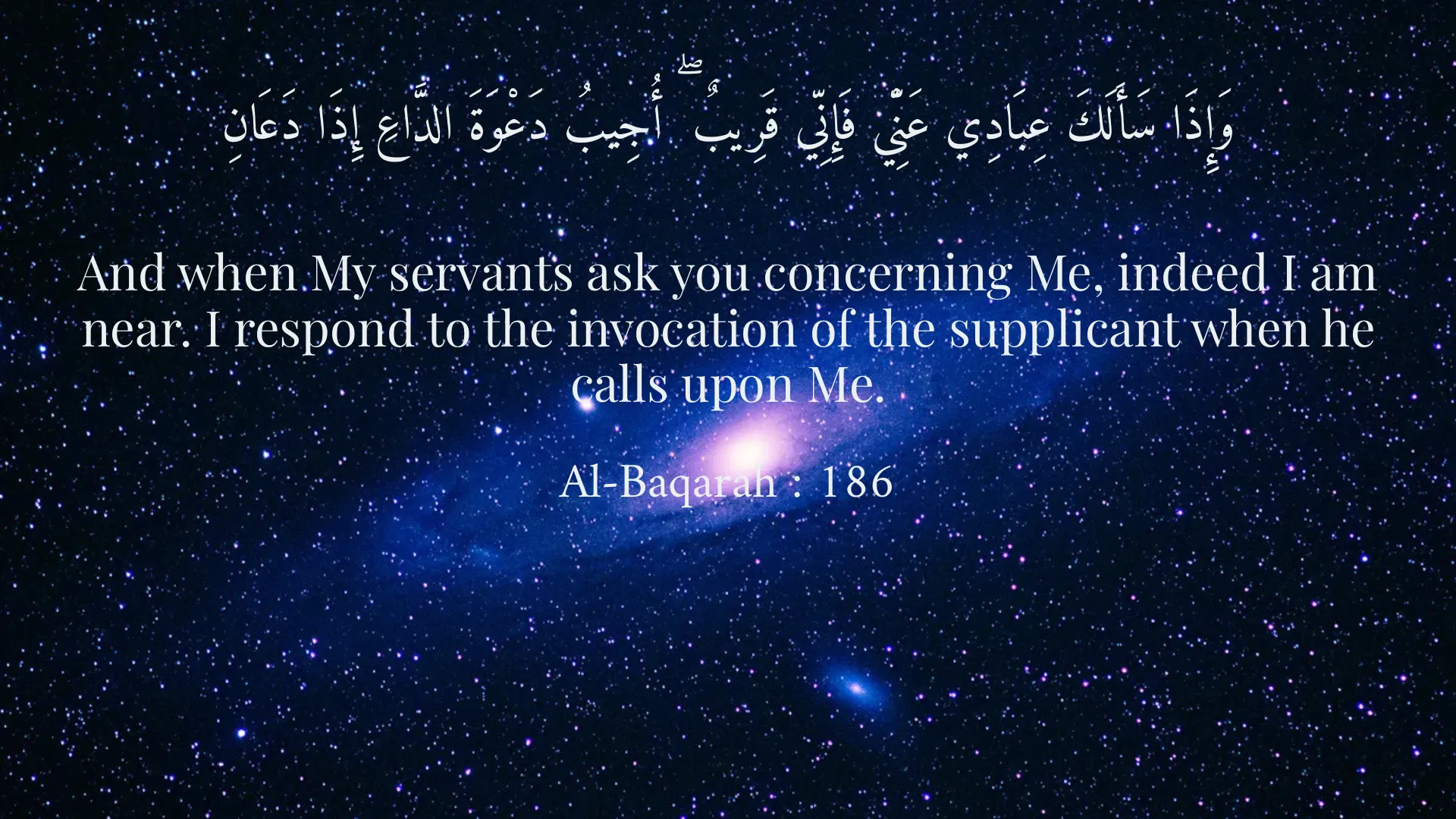
وَإِذَا سَأَلَكَ عِبَادِي عَنِّْي فَإِنِّي قَرِيبٌ ۖ أُجِيبُ دَعْوَةَ الدَّاعِ إِذَا دَعَانِ
And when My servants ask you concerning Me, indeed I am near. I respond to the invocation of the supplicant when he calls upon Me.
Al-Baqarah : 186
إِنَّمَا يُؤْمَارُ لِيُقَالُونَ
Only those who are motivated by desire will prevail.
Ghafir : 40
أَرَأَيْتَ الَّذِي يُكَذِّبُ بِالدِّينِ
Have you seen the one who denies the religion?
Al-Ma'un : 1
Short Story
Once upon a time, a young man named Amir, who was confused in life, decided to embark on a quest for truth and purity in his life. Every day, he recited verses from the Quran until one night, he stumbled upon a verse addressing hidden sins. From that day forward, he resolved to do good deeds instead of sinning. Amir gradually became a role model for his friends and family, and from then on, his life was filled with peace and blessings.