Quranic Answer
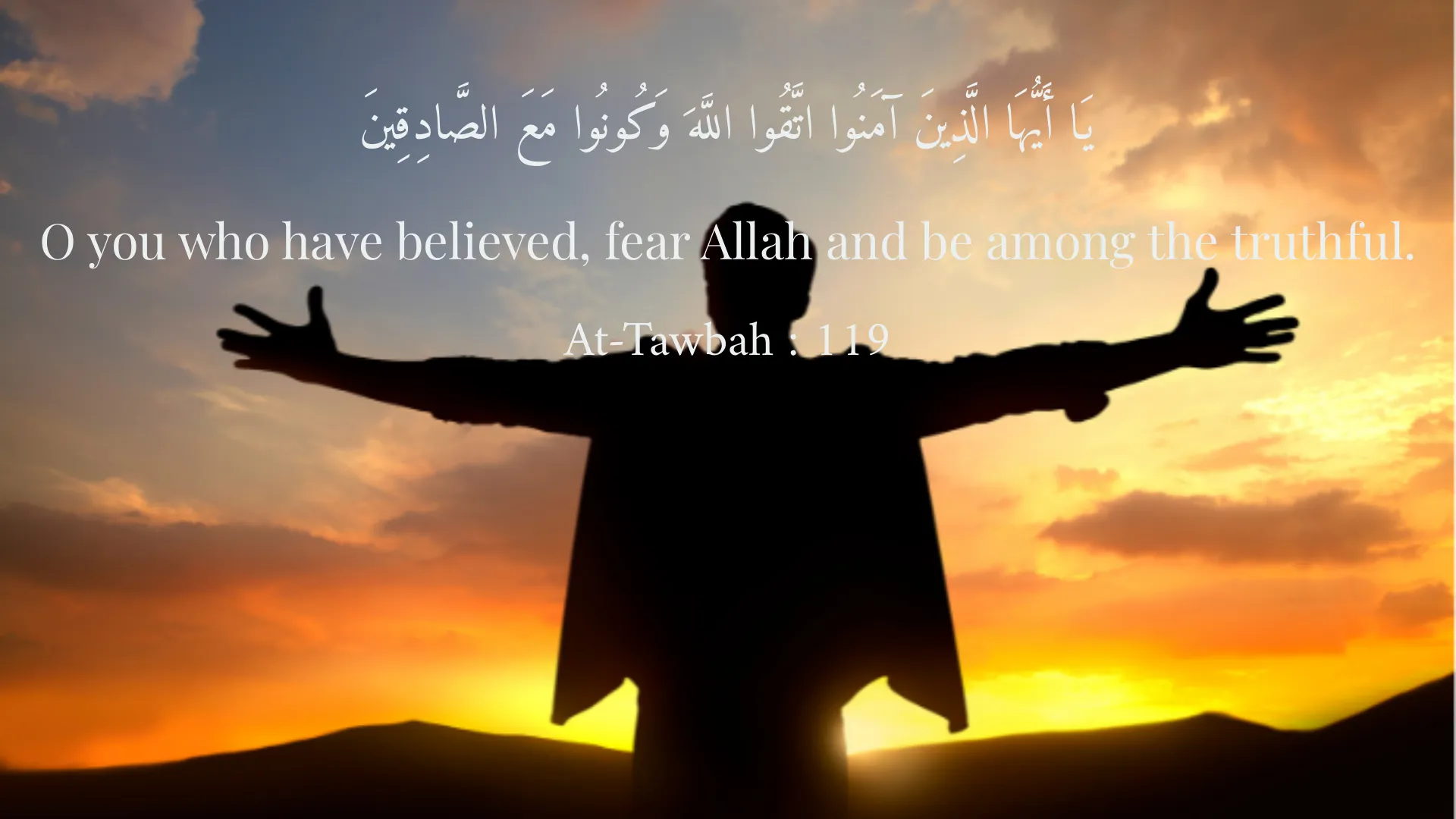
Being honest is a significant concept in Islam, deeply rooted within the teachings of the Quran. The emphasis on honesty is not just a moral directive; it encapsulates a fundamental aspect of faith, relationship-building, and personal integrity. Islam, being a comprehensive way of life, places immense importance on the character of an individual, and honesty serves as a cornerstone for personal and communal harmony. We can reference Surah At-Tawbah, verse 119, where Allah instructs believers: 'O you who have believed, fear Allah and be among the truthful.' This verse serves as a clarion call for Muslims to understand that honesty is not merely an optional characteristic; it is a fundamental condition of faith in God. The command to 'fear Allah' also indicates that there is a divine purpose behind being truthful, which goes beyond the avoidance of sin or disobedience. Honesty, however, often comes with its challenges. There are moments in life where being truthful may result in adverse consequences, such as personal discomfort or strained relationships. In such situations, individuals may find themselves at a crossroads: to maintain their integrity or to resort to deceit for temporary relief or gain. Yet, Islamic teachings guide us towards the understanding that the weight of honesty surpasses such immediate consequences. The spiritual and ethical values tied to honesty unveil a deeper realm of fulfillment and peace that is essential for personal growth. This implies that while dishonesty may offer immediate advantages, it compromises our moral fabric and spiritual well-being. Furthermore, honesty is instrumental in developing a profound sense of self-confidence and inner peace. When we engage in truthful interactions, we not only promote clarity within our communication but also cultivate trust with others. This trust becomes the bedrock of strong relationships—whether they be personal friendships, familial bonds, or professional affiliations. When people recognize us as honest individuals, it engenders respect and a desire to engage with us on a deeper level. This is echoed through Surah Aal-e-Imran, verse 161, which elucidates: 'And they will not perceive except what they have earned, and the Messenger and those who believed with him will always value honesty and truthfulness.' This passage emphasizes that the value of truth is tied to our actions and the legacy we create through our choices. The essence of valuing honesty means engaging in a lifestyle that prioritizes truthfulness—acknowledging that it brings rewards both in this life and in the hereafter. The practical application of honesty in our daily lives extends beyond mere declarations. It plays a crucial role in decision-making processes, how we handle disagreements, and how we show kindness and understanding to others. More so, truthfulness signifies strength; it demonstrates one’s capacity to confront challenges head-on. When faced with inconvenient truths, our commitment to honesty becomes a vital asset, assisting us in navigating through difficulties. In a community or societal context, honesty fosters an environment of reliance and cooperation. It reduces misunderstandings and conflicts and cultivates a sense of belonging. With honesty as the foundation, countries or nations thrive with accountability and trust among its citizens. Ethical governance, civil rights, and communal solidarity are products of a society grounded in honesty. When individuals embrace honesty collectively, they forge a robust community that can weather trials and cultivate resilience. A rich historical context surrounds the Islamic emphasis on honesty. Reflecting on the life of the Prophet Muhammad (peace be upon him), he is often referred to as Al-Amin, which means 'the trustworthy'. His life serves as a paradigm for Muslims regarding integrity and the value of truthfulness. The testimonies of his contemporaries highlight how his honesty allowed him to build trusting relationships, effectively spreading the message of Islam. This historical legacy advocates that leading an honest life aligns us closer to the model that Islam exemplifies. In conclusion, the teachings of honesty articulated in the Quran resonate deeply through our practical lives, guiding us to act with integrity and moral fortitude. In essence, the commitment to honesty enriches not only our spiritual lives but also our social and personal relationships. We must recognize that while there are instances where honesty might lead to temporary loss or discomfort, the long-term impact of living truthfully renders a sense of fulfillment, respect, and spiritual elevation. Ultimately, choosing honesty amid challenges is not merely a choice we make in the moment but a fundamental decision that shapes our identities. Indeed, honesty is a crucial principle that Islam entrusts upon its followers, leading them toward a future brimming with peace, trust, and unity.
Related Verses
يَا أَيُّهَا الَّذِينَ آمَنُوا اتَّقُوا اللَّهَ وَكُونُوا مَعَ الصَّادِقِينَ
O you who have believed, fear Allah and be among the truthful.
At-Tawbah : 119
وَمَا كَانَ لِنَفْسٍ أَن تَؤْمِنَ إِلَّا بِإِذْنِ اللَّهِ ۗ وَيَجْعَلُ رِجْسًا عَلَى الَّذِينَ لَا يَعْقِلُونَ
And they will not perceive except what they have earned.
Aal-e-Imran : 161
Short Story
One day, there was an honest man who always spoke the truth. He had faced difficulties in the past, but he still believed that honesty was the best policy. One day, a friend asked him, 'Why do you always choose honesty, even when it causes you trouble?' The man replied, 'There is no comfort in lying, but honesty brings peace of mind and builds the best friendships.'