Quranic Answer
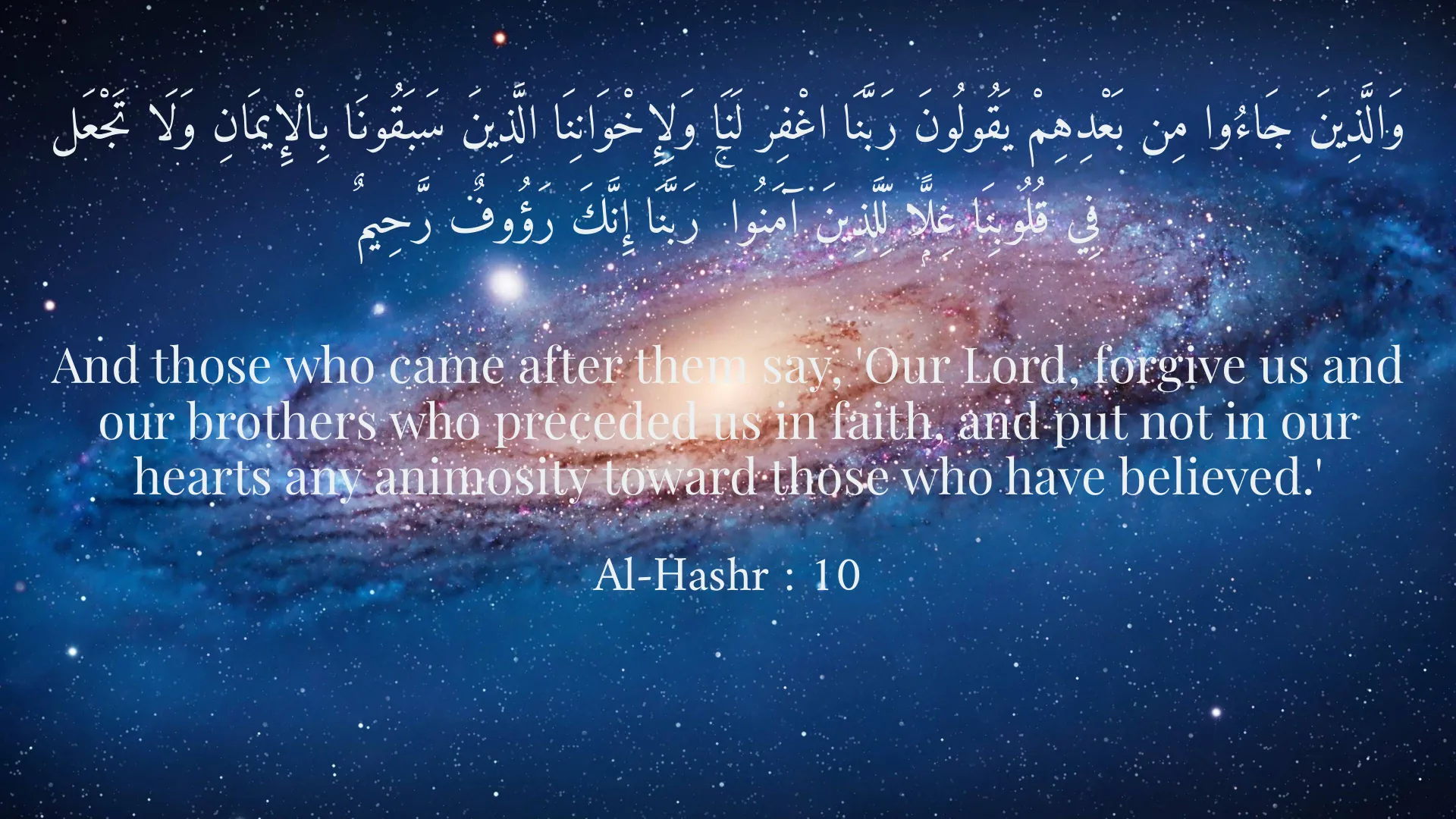
In the Holy Quran, the importance of empathy and love for others is profoundly emphasized, serving as a cornerstone for ethical behavior and social harmony. The Quran positions humanity as God's 'vicegerents' on Earth, and this unique status comes with immense responsibilities towards fellow beings. This responsibility includes understanding the feelings of others and taking care to protect their hearts, fostering a culture of empathy and love. Through various verses, the Quran lays down the foundation for how humans should interact with one another, promoting values that are integral for the well-being of individuals and communities alike. Empathy is the ability to understand and share the feelings of another, a trait that is vital for human connection. In Surah Al-Hashr, verse 10, Allah emphasizes the importance of community and mutual support. It states: 'And those who came after them say, 'Our Lord, forgive us and our brothers who preceded us in faith, and put not in our hearts any animosity toward those who have believed.' This verse poignantly illustrates the significance of love and friendship towards one another. We are encouraged not only to seek forgiveness for ourselves but also to pray for the well-being of others, wishing away animosities that might exist among believers. This mutual understanding and support create a strong network of compassion, ensuring that individuals do not walk their paths alone but rather in solidarity with others. Furthermore, in Surah Al-Mu'minun, verse 96, it is mentioned: 'And say, 'My Lord, forgive and have mercy, and You are the best of the merciful.' This profound plea to Allah underscores the importance of kindness and forgiveness, which are attributes that stem from love for others. When we forgive, we release ourselves from the burdens of anger and resentment, allowing love to fill the void. It reflects a commitment to not only our own peace but also the peace of those around us. Such acts of mercy are vital; they create a ripple effect, inspiring others to extend forgiveness and kindness in their lives as well. The implications of caring for others extend far beyond simple acts of kindness. There exists a beautiful reciprocal relationship between compassion and one's own mental health. When we show kindness and understanding to others, we often experience a sense of tranquility and fulfillment, which can lead to improved mental states. As social beings, humans thrive in environments where love and understanding are prevalent. Research has shown that individuals exhibiting altruistic behaviors report higher levels of happiness and life satisfaction. Moreover, our positive actions can significantly enhance the social fabric of our communities. When members of a society practice empathy and compassion, it creates a culture of support and understanding. Families, friendships, and communities thrive in such an ecosystem, where mutual respect is the norm, and individuals feel valued and understood. As echoed in the Quran, the principles of empathy and love bear the potential to forge strong ties among people, resulting in a society characterized by collaboration and care rather than hostility and discord. As we reflect upon these teachings, we recognize the profound wisdom embedded within the Quranic verses that guide us toward love and friendship. This isn’t merely a call to be good; it’s an invitation to embody compassion in our daily lives. Empathy is not an isolated sentiment, but a muscle that requires practice and intention. To bring about the change we desire in the world, we must actively cultivate understanding and love in our hearts. This can be accomplished through simple gestures such as listening without judgment, extending a helping hand, and being patient and forgiving. For individuals, applying these Quranic principles can lead to more meaningful relationships. In a world that often emphasizes competition and self-interest, fostering empathy and love allows us to connect more deeply with others. We are reminded that every interaction we have is an opportunity to uplift another person's spirit, and in doing so, we not only enhance their life but enrich our own. As believers, creating such connections aligns with the teachings of the Quran, as it reflects our responsibility as vicegerents of Allah on Earth to build a community that thrives on love and understanding. Additionally, the practice of empathy and compassion encompasses more than just interpersonal relationships; it extends to our engagement with the larger world — including social justice issues and humanitarian efforts. When we understand and empathize with the struggles of others, we are compelled to act. This can mean advocating for someone’s rights, engaging in volunteer work, or simply being a voice for the voiceless in a world that can often marginalize those in need. As the Quran teaches us about the importance of community, we are also reminded of our duty to ensure that all members of our society are treated with dignity and respect. In conclusion, in a time when division and discord often dominate, the teachings of the Quran remind us of the beautiful power of empathy and love. Through verses underscoring the significance of compassion, forgiveness, and understanding, we find a guiding light that calls us to not only care for others but to foster a society that champions these values. When we embrace our roles as vicegerents of Allah with conviction, we effectively open a pathway toward creating an environment rich in love, friendship, and mutual support. By demonstrating empathy in our actions, we can transform not only our lives but the very nature of the communities we inhabit, aligning ourselves with the core teachings of the Holy Quran that urge us towards unity and harmony.
Related Verses
وَالَّذِينَ جَاءُوا مِن بَعْدِهِمْ يَقُولُونَ رَبَّنَا اغْفِر لَنَا وَلِإِخْوَانِنَا الَّذِينَ سَبَقُونَا بِالْإِيمَانِ وَلَا تَجْعَل فِي قُلُوبِنَا غِلًّۭا لِّلَّذِينَ آمَنُوا ۚ رَبَّنَا إِنَّكَ رَؤُوفٌ رَّحِيمٌ
And those who came after them say, 'Our Lord, forgive us and our brothers who preceded us in faith, and put not in our hearts any animosity toward those who have believed.'
Al-Hashr : 10
قُل رَبِّ اغْفِرْ وَارْحَمْ وَأَنتَ خَيْرُ الرَّاحِمِينَ
And say, 'My Lord, forgive and have mercy, and You are the best of the merciful.'
Al-Mu'minun : 96
Short Story
One day, a wise man said to a young man: 'Young man! Care for the hearts of others and be aware of their pains.' The young man was inspired by this advice and decided to always take care of others' troubles and love their lives. After some time, he noticed that his heart was filled with peace and joy, as love for others naturally created love for life within him.