Quranic Answer
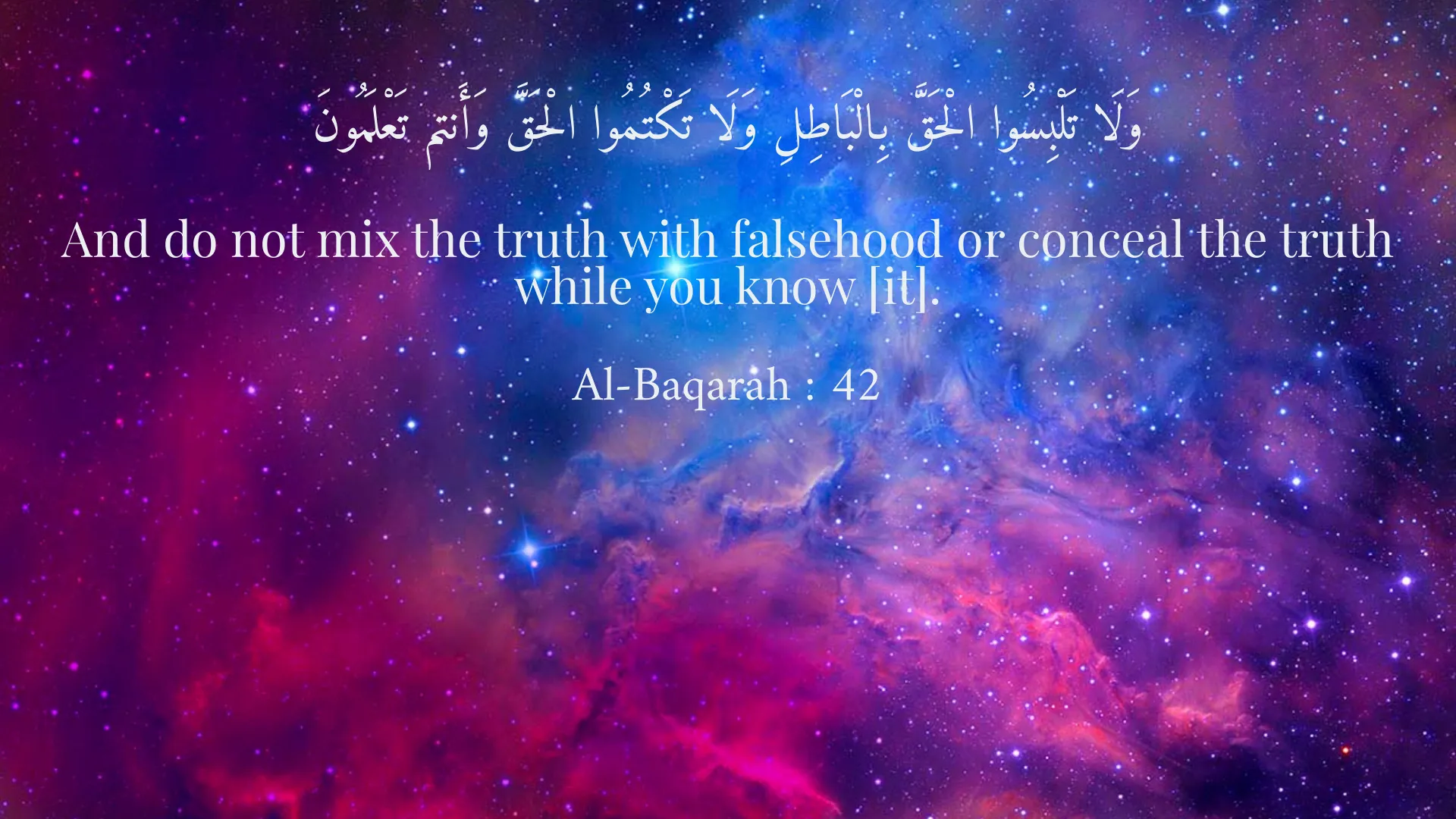
Lying is not merely a moral failing; it is often considered one of the gravest sins within the Islamic faith. The implications of lying extend deeply into both personal character and societal integrity. The Holy Quran consistently emphasizes the value of honesty and warns against the act of deceit, as seen in various verses. For instance, in Surah Al-Baqarah, verse 42, Allah advises, 'And do not mix the truth with falsehood or conceal the truth while you know [it].' This guidance serves as a reminder of the harm caused by dishonesty and highlights the importance of maintaining integrity. In a world where communication is fundamental for social interaction, the act of lying can have cascading negative effects. Lies undermine the very fabric of trust that binds communities together. They create a rift between individuals, eroding relationships and leading to an environment filled with skepticism and doubt. This loss of trust not only harms the individual who lies but also adversely affects those around them, leading to a chain reaction of suspicion and discord. The concept of honesty is not merely a guideline in Islam but a foundational principle that impacts every aspect of a believer's life. Allah, in Surah Al-Ahzab, verses 70 and 71, explicitly urges His followers to 'speak good' and refrain from lying. This directive underscores that truthfulness is essential not just in spiritual matters but in everyday interactions as well. A society built on honesty fosters peace and cooperation, while one riddled with deceit breeds conflict and misunderstanding. Moreover, the consequences of lying go beyond societal and interpersonal implications; they extend into the spiritual realm. The Quran warns of divine retribution for those who deceive others, including lies directed towards Allah and His messengers. Surah Al-Maidah, verse 8, illustrates this point, reinforcing the idea that dishonesty can invite divine punishment. The fear of such consequences can serve as a powerful motivator for individuals to embrace truthfulness, guiding them away from the path of lies and deception. Lying is a behavior that often stems from various motivations, including fear, insecurity, and the desire for acceptance. Individuals might resort to lying to evade consequences, garner sympathy, or enhance their social standing. However, these motives seldom lead to lasting satisfaction. In fact, the initial relief or temporary gains from lying are often overshadowed by guilt and anxiety. The internal conflict that arises from dishonest actions can have a detrimental impact on mental well-being, leading to stress, insomnia, and an overall sense of discontent. The act of lying can also have profound ramifications on a community's social fabric. Trust, once shattered by lies, is notoriously difficult to rebuild. When people find out they have been deceived, their sense of betrayal can give way to resentment and anger. This can create an environment of hostility, making cooperation and collaboration more challenging. The breakdown of trust within a community can lead to a cycle of suspicion where individuals are increasingly reluctant to engage openly with one another, fearing ulterior motives or deceit. In addition to personal relationships, honesty also plays a critical role in larger social and economic systems. In business, for example, transparency is key to cultivating long-term relationships with clients and partners. Deceitful practices can lead to short-term profits but often result in long-lasting damage to reputation and business viability. Companies founded on principles of honesty not only enjoy consumer trust but also contribute to a more stable and ethical marketplace. Furthermore, the relationship between honesty and societal progress cannot be overemphasized. Societies that prioritize truthfulness and transparency tend to be more accountable, equitable, and just. In instances where deceit is rampant, individuals may feel disenfranchised and alienated, hindered from contributing to societal development effectively. Conversely, when honesty is upheld as a virtue, it encourages active participation and innovation, leading to a more prosperous society for all. Addressing the problem of lying requires a multifaceted approach. Education plays a critical role in instilling values of honesty from an early age. Children must learn the importance of truthfulness through teachings at home, schools, and community organizations. The reinforcement of these principles can aid in cultivating a generation that values and practices honesty. Additionally, community leaders and influential figures should promote transparency and integrity as core societal values, setting an example for others to follow. In conclusion, the act of lying is laden with harmful consequences that extend beyond the individual. It destroys personal character, disrupts relationships, undermines societal trust, and invites divine retribution. The Islamic faith places immense value on truthfulness, as reinforced through numerous verses in the Holy Quran. By understanding the adverse impacts of lying and embracing sincerity, individuals can foster healthier relationships and contribute to a more trusting and accountable society. Ultimately, cultivating a culture of honesty not only aligns with spiritual teachings but also paves the way for personal peace and societal harmony.
Related Verses
وَلَا تَلْبِسُوا الْحَقَّ بِالْبَاطِلِ وَلَا تَكْتُمُوا الْحَقَّ وَأَنتم تَعْلَمُونَ
And do not mix the truth with falsehood or conceal the truth while you know [it].
Al-Baqarah : 42
يَا أَيُّهَا الَّذِينَ آمَنُوا اتَّقُوا اللَّهَ وَقُولُوا قَوْلًا سَدِيدًا
O you who have believed, fear Allah and speak words of appropriate justice.
Al-Ahzab : 70
يَآ أَيُّهَا الَّذِينَ آمَنُوا كُونُوا قَوَّامِينَ لِلَّهِ شُهَدَاءَ بِالْقِسْطِ ۖ وَلَا يَجْرِمَنَّكُمْ شَنَآنُ قَوْمٍ عَلَى أَلَّا تَعْدِلُوا ۚ اعْدِلُوا هُوَ أَقْرَبُ لِلتَّقْوَىٰ
O you who have believed, be persistently standing firm in justice, witnesses for Allah, even if it be against yourselves or parents and relatives.
Al-Maidah : 8
Short Story
Once upon a time, there was a man named Reza who had a good reputation in his community. However, he was always lying, and over time, these lies changed his image. His friends distanced themselves from him, and he realized that lying alone led to losing trust and friendships. After studying the Quran and reflecting on its verses, he decided to be truthful and from then on spoke only the truth. This decision brought him peace, and gradually, his friends returned to him.