Quranic Answer
Title: The Detrimental Effects of Envy According to the Holy Quran Introduction Envy is a powerful emotion that has been recognized and addressed across cultures and religions. In Islamic teachings, particularly in the Holy Quran, envy is described as a negative trait that can lead one astray from the righteous path, instilling feelings of stress, despair, and animosity. This article delves into the themes of envy as discussed in the Quran, examining its ramifications on personal peace and interpersonal relationships, while also highlighting the importance of gratitude as an antidote to envy. Understanding Envy Through the Quran The Quran provides profound insights into human emotions, placing special emphasis on the destructive nature of envy. One prominent reference can be found in Surah Al-Hashr, verse 10, where Allah states, "And those who were settled in the abode and [in faith] before them love those who immigrate to them and do not find in their breasts any need of what the immigrants were given but give [them] preference over themselves, even though they are in privation." This verse illustrates the selflessness exhibited by the earlier believers, who prioritized the welfare of the new arrivals over their own needs. Here, the Quran subtly warns against envy by portraying a mindset that fosters love and community, rather than animosity and rivalry. Moreover, Surah Al-Baqarah, verse 165 highlights another dimension of envy by stating, "And among the people are those who take other than Allah as equals [to Him]. They love them as they should love Allah. But those who believe are stronger in love for Allah." This reference suggests that when a person’s love and attention are diverted from the divine to others, it can breed jealousy and unhealthy comparisons. The intensity of a believer’s love for Allah fosters contentment and gratitude, leading them away from envy. The Harmful Consequences of Envy Envy has far-reaching consequences, affecting not only the individual who harbors such feelings but also their relationship with others. Individuals consumed by envy are often trapped in a cycle of negative thoughts, which hinder their ability to appreciate their own blessings. This emotional turmoil can result in stress, anxiety, and depression, eventually derailing them from spiritual growth and well-being. Internally, they may experience diminishing levels of happiness and satisfaction. Comparisons with others can create an endless desire for what others possess, leading to feelings of inadequacy and despair. Externally, envy fosters discord in relationships. It breeds resentment and can lead to misunderstandings, soured friendships, and broken bonds. Individuals consumed by envy may find themselves isolating from others, which further intensifies their feelings of loneliness and despair. Islamic Guidance Against Envy Recognizing the damaging impact of envy, the Quran offers guidance on how to transform this negative emotion into a more positive experience. In Surah Ibrahim, verse 7, Allah states: "And [remember] when your Lord proclaimed: If you give thanks, I will surely increase your favor upon you." This powerful message emphasizes the importance of gratitude. By focusing on one's blessings and being thankful for what they possess, individuals can break free from the shackles of envy. Gratitude nurtures a positive mindset and fosters stronger connections with others. When individuals actively express appreciation for their own circumstances, they cultivate inner peace that diminishes feelings of envy. This shift in focus not only enhances personal well-being but benefits the community as well, as individuals become more inclined to celebrate others’ successes, fostering a supportive and loving environment. Cultivating Peace Through Prayer A robust aspect of Islamic practice is the importance of prayer and supplication. Seeking tranquility from Allah is an essential part of the journey towards overcoming envy. Inherent within prayer is the acknowledgment of one's weaknesses and the recognition of divine power. Believers are encouraged to turn to Allah in supplication, asking for protection against jealousy and for a heart filled with gratitude. By seeking Allah's guidance, individuals can find solace and strength, fortifying their inner landscape against the negativity that envy brings. Practical Steps to Overcome Envy While the Quran provides spiritual guidance, practical steps can foster a consistent effort to overcome envy. Here are a few strategies: 1. Self-Reflection: Take time to assess feelings of envy when they arise. Understand the root causes and rationalize them against your own blessings. 2. Practice Gratitude: Maintain a gratitude journal where you document daily blessings, no matter how small. This practice shifts focus towards positivity. 3. Empathy and Compassion: Cultivate empathy by placing oneself in the shoes of others. Celebrate their achievements genuinely. 4. Limit Social Media Exposure: Often, comparisons stem from what is seen on social media platforms. Reducing exposure can alleviate unnecessary feelings of envy. 5. Engage in Community Service: Helping others can shift focus away from personal envy and foster a sense of connection and gratitude. Conclusion Envy is a deeply ingrained emotion that poses a significant threat to personal growth and community harmony. The teachings of the Holy Quran reveal the importance of recognizing this negative trait and seeking ways to overcome it. Through a focus on gratitude and a reliance on Allah, individuals can find peace and foster meaningful relationships with others. By transforming envy into appreciation, one can cultivate an environment of love and support that uplifts not just oneself but their entire community. Ultimately, it is through this divine guidance that individuals can find the path to true peace, steering away from the dangers of envy and embracing a life filled with gratitude and love.
Related Verses
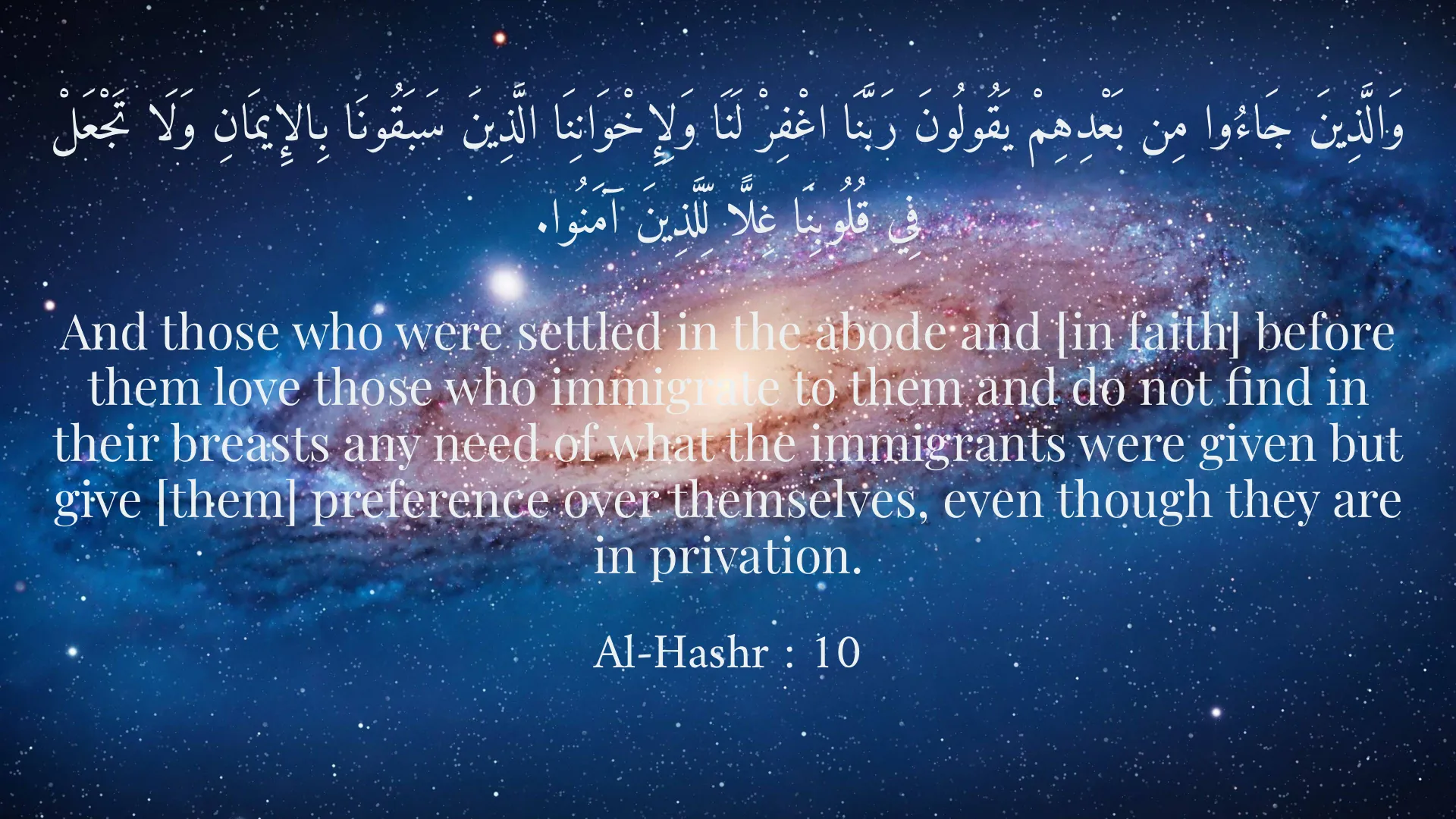
وَالَّذِينَ جَاءُوا مِن بَعْدِهِمْ يَقُولُونَ رَبَّنَا اغْفِرْ لَنَا وَلِإِخْوَانِنَا الَّذِينَ سَبَقُونَا بِالإِيمَانِ وَلَا تَجْعَلْ فِي قُلُوبِنَا غِلًّا لِّلَّذِينَ آمَنُوا.
And those who were settled in the abode and [in faith] before them love those who immigrate to them and do not find in their breasts any need of what the immigrants were given but give [them] preference over themselves, even though they are in privation.
Al-Hashr : 10
وَمِنَ النَّاسِ مَن يُشْرِكُ بِاللَّهِ مَا لَا يُؤْمِنُونَ بِهِ.
And among the people are those who take other than Allah as equals [to Him]. They love them as they should love Allah.
Al-Baqarah : 165
وَإِذْ أَذْنَبَ رَبُّكُمْ لَئِن شَكَرْتُمْ لَأَزِيدَنَّكُمْ.
And [remember] when your Lord proclaimed: If you give thanks, I will surely increase your favor upon you.
Ibrahim : 7
Short Story
One day, Adel was reflecting on his life and realized that envying others was distancing him from peace. He decided to practice gratitude and better appreciate the blessings that were bestowed upon him. Day by day, he lived with greater peace and satisfaction, pushing envy out of his heart.