Quranic Answer
The Concept of Sin and Its Consequences in the Holy Quran The Holy Quran, regarded as the ultimate source of guidance for Muslims, addresses the concept of sin and its repercussions in a profound manner. The text serves as a spiritual lighthouse, shedding light on the moral and ethical dimensions of human behavior. Sin, in Islamic theology, is not merely an act that violates divine commandments. It bears implications that profoundly affect not only the individual committing it but also society at large. Therefore, it is of paramount importance for believers to grasp what constitutes sin, understand its consequences, and learn the measures to avert it. In Surah At-Tahrim, verse 6, Allah commands the faithful: "O you who have believed, protect yourselves and your families from a Fire..." This directive emphasizes a collective responsibility that transcends individual actions. It implies that believers should not only safeguard their own souls but also take an active role in guiding their families away from sinful acts. The devastating imagery of the "Fire" serves as a powerful deterrent, urging individuals and families to remain vigilant in their spiritual journeys. The act of guarding oneself and one's family against sin is a communal effort, fostering an environment of mutual accountability and spiritual growth. The softening of the heart is an essential theme that resonates within the Quranic narrative. When a person becomes entrenched in sinful behavior, a gradual hardening of the heart occurs. This is poignantly addressed in Surah Al-Baqarah, verses 6-7, where Allah states, "Indeed, those who disbelieve, it is alike for them whether you warn them or do not warn them; they will not believe. Allah has set a seal upon their hearts and upon their hearing, and over their vision is a veil. And for them is a great punishment." This passage serves as a stark reminder of how sin can lead to spiritual blindness, rendering individuals unable to discern truth from falsehood. A hardened heart becomes impervious to guidance and grace, distancing itself from the mercy that a loving Creator offers to those who seek it earnestly. The societal implications of sin deserve urgent attention in the discourse on moral behavior. Surah Al-Ma'idah, verse 90 instructs Muslims to avoid intoxicants and gambling, labeling these actions as "abominable works of Satan." The Quran elucidates that such behaviors can impair rationality and lead to misguidance, often resulting in detrimental consequences for individuals and communities. Intoxicants cloud judgment and disrupt moral clarity, while gambling fosters greed and leads to social inequities. These two vices create rifts within communities, breeding discontent and strife, and illustrate how personal sins can have broader societal repercussions. Moreover, the essence of moral behavior transcends the mere avoidance of sin; it involves an active pursuit of virtue. Engaging in righteous deeds not only fortifies one's faith but also engenders a healthier community. The Quran encourages believers to embody qualities such as compassion, justice, and humility. In this way, the faithful are reminded that right action stems from a heart aligned with divine principles, countering the allure of sinful behavior. The cycle of sin and virtue thus becomes reciprocal—one begets the other, reinforcing the need for ongoing spiritual vigilance. Additionally, the concept of repentance, or 'Tawbah', is crucial in Islamic thought. It offers a pathway for sinners to return to divine grace and mercy. The Quran consistently emphasizes that Allah is All-Forgiving and Most Merciful. This compassionate stance provides hope for believers who stumble, reaffirming that no one is beyond redemption. A sincere act of repentance not only signifies acknowledgment of wrongdoing but can also ignite personal and communal transformation. Hence, the process of seeking forgiveness becomes an essential practice for spiritual wellness, contributing positively to society as individuals lead reformed lives. In the broader framework of existential purpose, believers are called to lead lives imbued with integrity and purpose. Sin, as defined in the Holy Quran, cannot be merely contextualized within the boundaries of personal choice; it has far-reaching implications that resonate throughout communities and generations. By embodying the teachings of the Quran and reinforcing faith through righteous actions, individuals can pave the way for a more meaningful existence. To encapsulate, understanding the significance of sin within the context of the Holy Quran fosters a comprehensive awareness of its consequences. Believers are urged to protect themselves and their families from the perils of sinful behavior, acknowledging that the state of one's heart is pivotal to receiving divine guidance. The instructions regarding intoxicants, gambling, and other sinful acts highlight the importance of individual accountability while also pointing to the social ramifications of moral failure. Finally, the concept of repentance illustrates the inherent mercy found within the divine narrative, creating a pathway for renewal and hope. In conclusion, as individuals strive to cultivate a life free from sin, they not only contribute to their spiritual growth but also enhance the moral fabric of society. Thus, it is better to reinforce our faith and avert sins to lead a healthy, meaningful life underpinned by piety and ethical integrity.
Related Verses
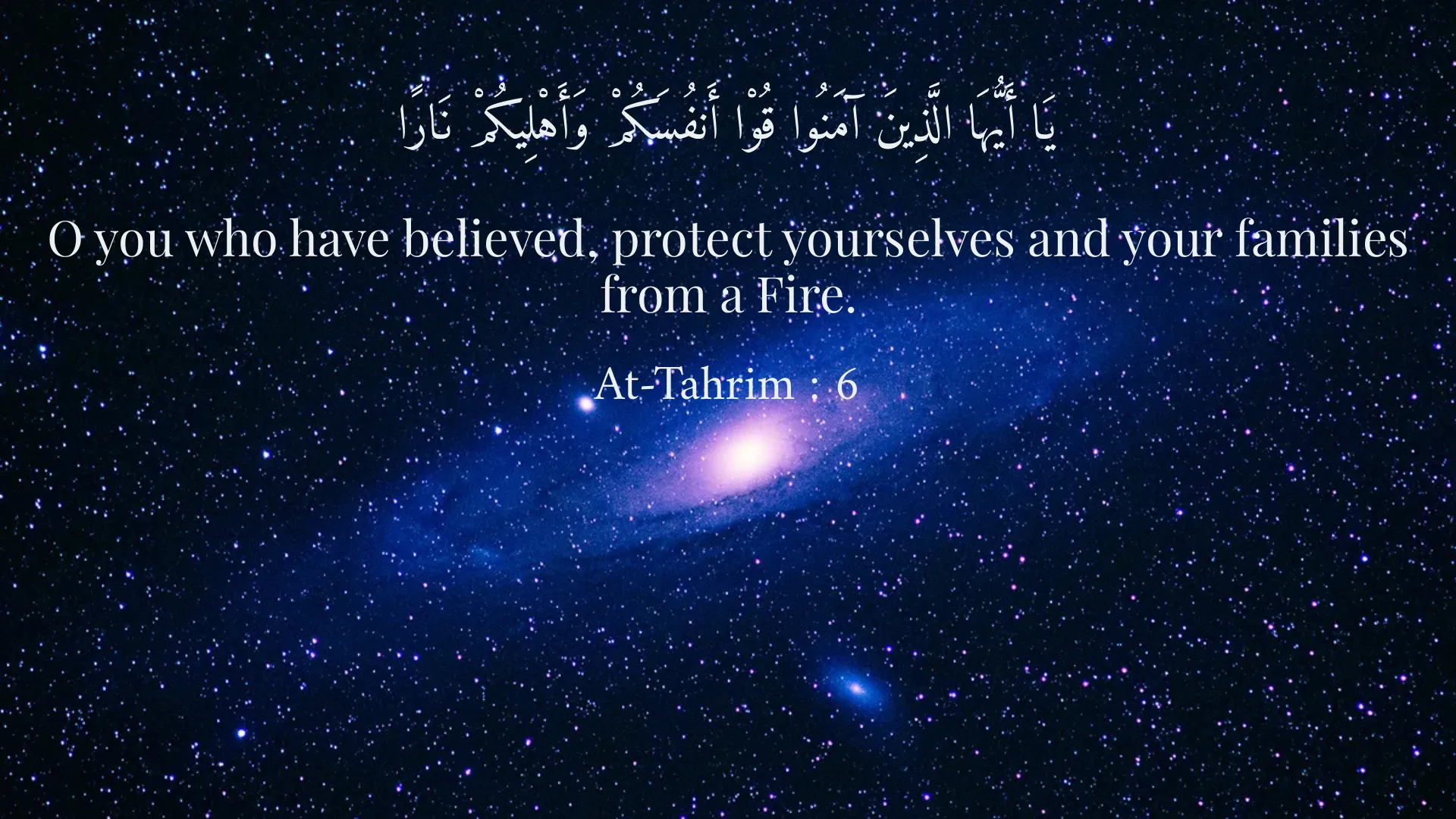
يَا أَيُّهَا الَّذِينَ آمَنُوا قُوْا أَنفُسَكُمْ وَأَهْلِيكُمْ نَارًا
O you who have believed, protect yourselves and your families from a Fire.
At-Tahrim : 6
إِنَّ الَّذِينَ كَفَرُوا سَوَاءٌ عَلَيْهِمْ أَأَنذَرْتَهُمْ أَمْ لَمْ تُنْذِرْهُمْ لَا يُؤْمِنُونَ
Indeed, those who disbelieve are equal; whether you warn them or do not warn them, they will not believe.
Al-Baqarah : 6
يَا أَيُّهَا الَّذِينَ آمَنُوا إِنَّمَا الْخَمْرُ وَالْمَيْسِرُ وَأَصْنَامُ أَقْذَامٌ مِّنْ عَمَلِ الشَّيْطَانِ فَاجْتَنِبُوهُ لَعَلَّكُمْ تُفْلِحُونَ
O you who have believed, indeed, intoxicants, gambling, [sacrificing on] stone alters [to other than Allah], and divining arrows are but defilement from the work of Satan, so avoid it that you may be successful.
Al-Ma'idah : 90
Short Story
One day, Ammar was sitting in a gathering with friends and shared his life experiences. He mentioned how small sins had turned into habits. One of his friends reminded him of the Quranic verse: "Protect yourselves and your families from the Fire." Ammar decided to take this verse seriously and focus on good deeds and drawing closer to God instead of indulging in sin. After a while, he noticed positive changes in his spirit and behavior.